
Gardenias can technically survive in Minnesota, but only in containers that you bring indoors every winter. Planting one in the ground and expecting it to come back next spring is not realistic for most of the state. Minnesota sits in USDA hardiness zones 3a to 5a, and gardenias are zone 8 to 10 plants. That is a brutal gap. Even the hardiest gardenia cultivar available, 'Kleim's Hardy', which reportedly endured temperatures as low as 0°F in trial conditions, would be wiped out by a typical Minneapolis winter, let alone the state's all-time record low of -34°F. So the honest answer is: yes, you can grow gardenias in Minnesota, but you have to think of them as houseplants that summer outside, not landscape shrubs.
Can Gardenias Grow in Minnesota? Cold-Hardy Guide
Marcus Hartwell
27 May 2026
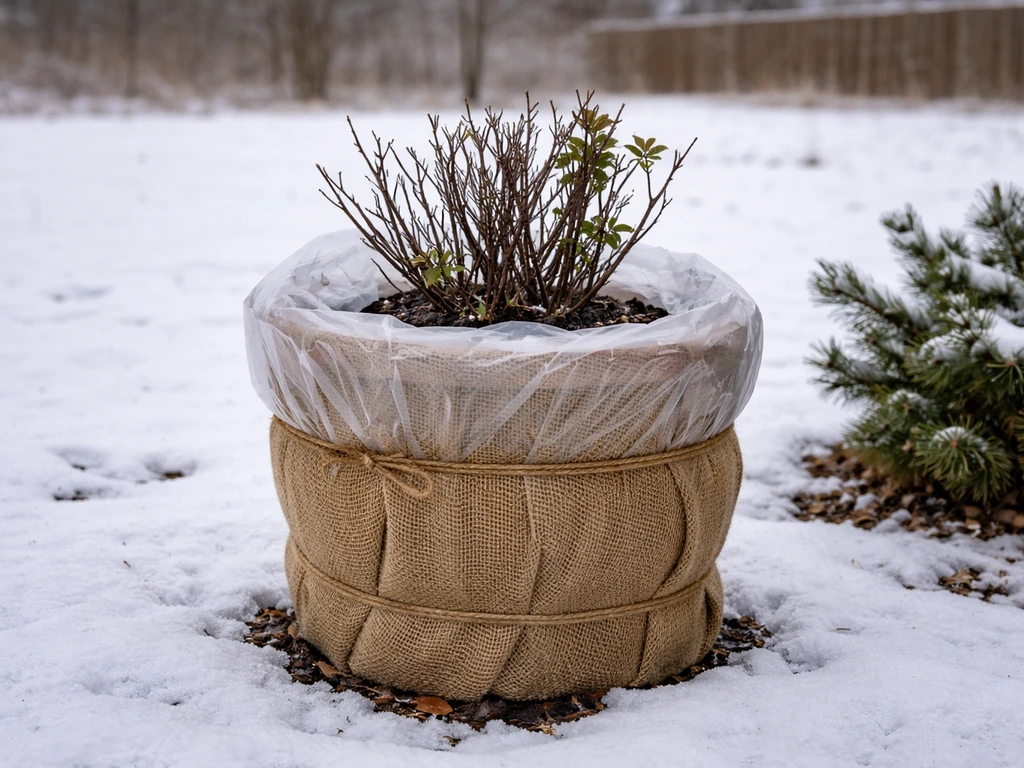
What Minnesota winters actually do to gardenias
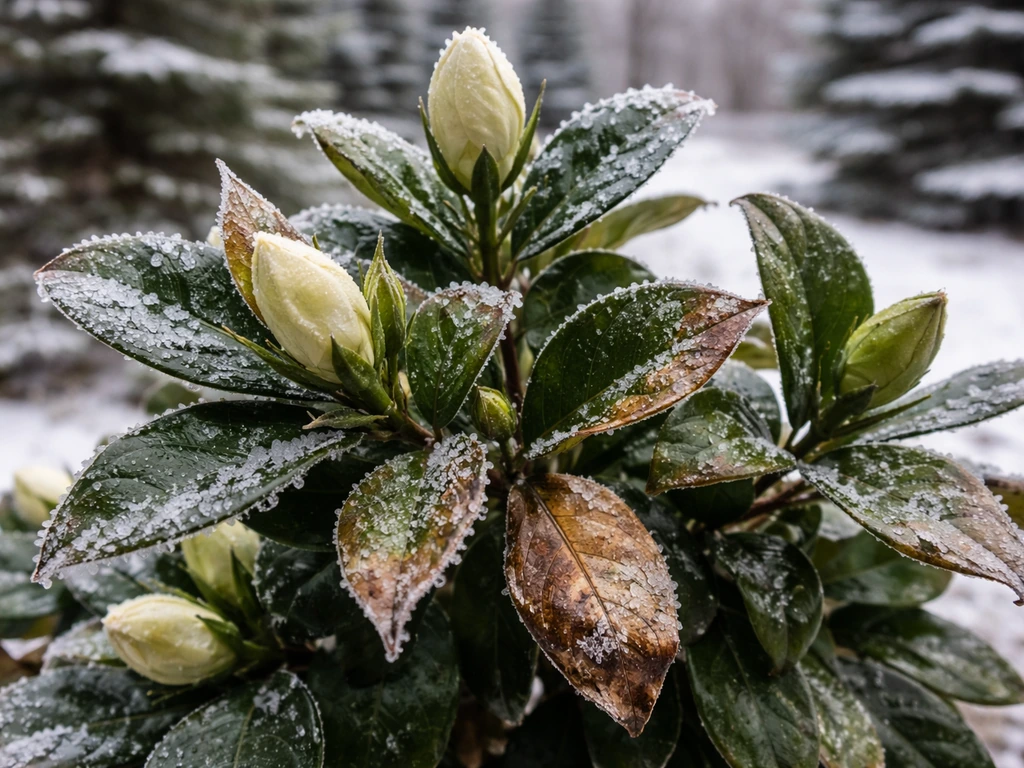
Minnesota's winters are not just cold, they are cold in multiple damaging ways. The freeze-thaw cycles that cycle through late fall and early spring are especially destructive for broad-leaved evergreens like gardenias. Roots get damaged when the soil refreezes after a warm spell, and the above-ground foliage desiccates when winter sun and wind pull moisture from leaves that frozen roots can not replace. UMN Extension specifically calls out this combination of winter sun, wind, and cold as a major cause of evergreen foliage bleaching, bud injury, and root death. For a gardenia, whose roots start dying somewhere around 20°F, a Minnesota winter is essentially unsurvivable in the ground.
Most of Minnesota averages lows well below 0°F every winter. The Twin Cities area (zone 4b) regularly sees -15°F to -20°F during cold snaps. Northern Minnesota, zone 3, gets even colder. Even the warmest pockets of the state, parts of the southeast near the Wisconsin border, barely nudge into zone 5a. None of that is gardenia territory. Compare this to Illinois, where the southern tip reaches zone 6b and indoor/container growing is also the recommendation, or to Las Vegas and Utah, where the challenge is heat and alkaline soil rather than cold. Minnesota is simply on the extreme end of the scale when it comes to this plant.
The only cultivar worth considering in Minnesota
Most gardenias you see at garden centers are standard Gardenia jasminoides selections bred for warm-climate landscapes. Do not buy those if you want any outdoor time in Minnesota. The one cultivar that makes sense to try is 'Kleim's Hardy', a compact variety (typically 2 to 3 feet tall) that has been documented surviving brief dips to 0°F. NC State Extension and commercial nursery data both recognize it as the cold-toughest option in the species. It produces fragrant single white flowers and handles container life reasonably well.
Even with 'Kleim's Hardy', though, 0°F is its limit under ideal conditions, meaning well-established roots, perfect drainage, and a quick temperature drop with no prolonged freeze. The RHS Plant Finder minimum-temperature range for Gardenia jasminoides ‘Kleim’s Hardy’ is reported in °C, reflecting that its cold tolerance is limited even though it is one of the hardiest gardenia options. Minnesota routinely blows past that threshold. So even 'Kleim's Hardy' needs to come indoors before temperatures drop below the mid-20s. Think of the hardiness claim as meaning it can handle a surprise cold snap, not a Minnesota January.
| Cultivar | Claimed Cold Tolerance | Size | Best Use in MN |
|---|---|---|---|
| 'Kleim's Hardy' | Down to ~0°F (briefly) | 2–3 ft | Container, summered outdoors |
| Standard Gardenia jasminoides | Zone 8 (~10°F minimum) | 3–6 ft | Houseplant only; no outdoor time below 50°F |
| 'August Beauty' | Zone 8 | 4–6 ft | Houseplant only |
| 'Radicans' (dwarf) | Zone 7–8 | 1–2 ft | Container houseplant; limited outdoor time |
If you want a fragrant flowering shrub you can actually plant in the ground in Minnesota, consider hardy hydrangeas, lilacs, or native viburnums. They will not give you that classic gardenia scent, but they will survive without you hauling them inside every October.
The best spots to put a container gardenia outside in summer
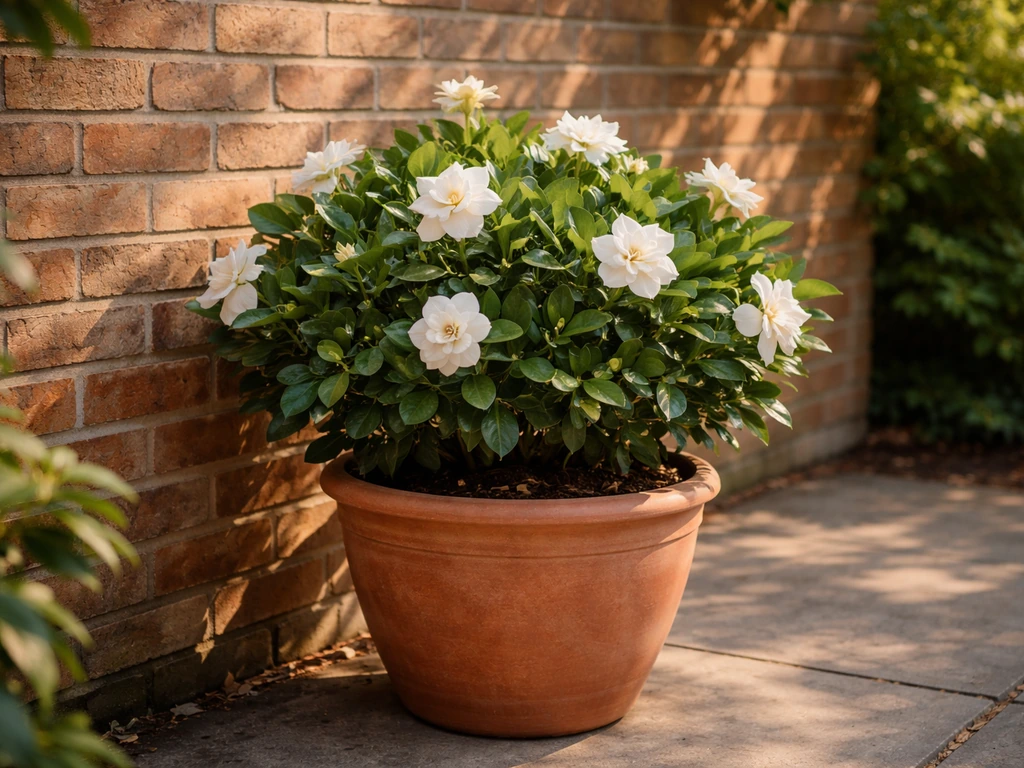
From roughly late May through mid-September, a container gardenia can live outdoors in Minnesota and actually thrive. Placement matters a lot. Gardenias want bright indirect light or morning sun with afternoon shade. Full afternoon sun in Minnesota summers can scorch the leaves and stress the plant. A spot on the east side of your house, or under a high canopy tree that filters light, works well.
Microclimates are your friend. The south or west side of a brick or stone wall is warmer than open ground because masonry absorbs heat during the day and releases it at night, which gardenias appreciate. It also provides some wind protection. Keep the plant away from air conditioning units (cold drafts) and spots where salt spray from winter road treatment might linger in the soil. UMN Extension specifically flags salt as a cause of foliage damage that mimics frost injury, and residual soil salt can affect root health even in summer.
- East-facing walls: morning sun, protected from harsh afternoon heat
- South-facing masonry walls: extra warmth, good for pushing late-season blooms
- Sheltered courtyards or enclosed patios: reduced wind exposure and retained warmth
- Avoid north-facing spots, low frost pockets, and areas near heavily salted driveways or roads
Containers vs. in-ground, and how to get through winter
In Minnesota, containers are the only realistic path. In-ground planting, even with heavy mulching, will not protect gardenia roots through a zone 4 winter. The roots simply can not survive sustained temperatures in that range. When gardenias are in containers, the roots are even more vulnerable than in-ground plants because container walls offer almost no insulation. Penn State Extension points out that container roots can reach the same temperature as the surrounding air, which means a pot sitting in a garage that drops to 15°F has roots sitting at 15°F. That is fatal for gardenias.
The goal for overwintering is to keep your gardenia somewhere that stays above freezing (ideally 50°F to 65°F) with some light. Here are the main options Minnesotans use, roughly in order of reliability:
- Heated sunroom or south-facing window indoors: The best option. Keeps the plant actively growing (or at minimum stable) through winter. Aim for 60°F to 65°F nights and as much light as possible.
- Basement under grow lights: Works well if you have fluorescent or LED grow lights. Gardenias will go semi-dormant but survive if roots stay above 50°F.
- Unheated attached garage: Risky but possible if temps stay above 32°F. Check a thermometer regularly. A hard freeze in the garage will kill the plant. Works better in the Twin Cities area than in northern Minnesota.
- Cold frame or greenhouse: Only if the structure maintains above-freezing temps reliably. An unheated detached shed in Duluth in January will not cut it.
Time your move carefully. Bring the plant indoors before nighttime temps drop below 50°F consistently. In Minnesota, that usually means sometime in late September. When you move it inside, check for pests (spider mites and scale love indoor gardenias), reduce watering slightly, and increase humidity by setting the pot on a pebble tray with water. Through winter, water only when the top inch of soil is dry, and check the moisture level every week or two since dry pots in a heated house can dry out fast. If the temperature is above freezing, water a dry pot to prevent root desiccation.
One thing that trips up Minnesota gardeners: watering before the first hard outdoor frost if your plant has been outside late. UMN Extension recommends watering deeply before the ground freezes to reduce frost penetration and desiccation stress in evergreen plants. For container gardenias, this means making sure the root ball is thoroughly moist right before you bring it inside, not dry.
Soil, sun, and watering: what gardenias need in Minnesota conditions
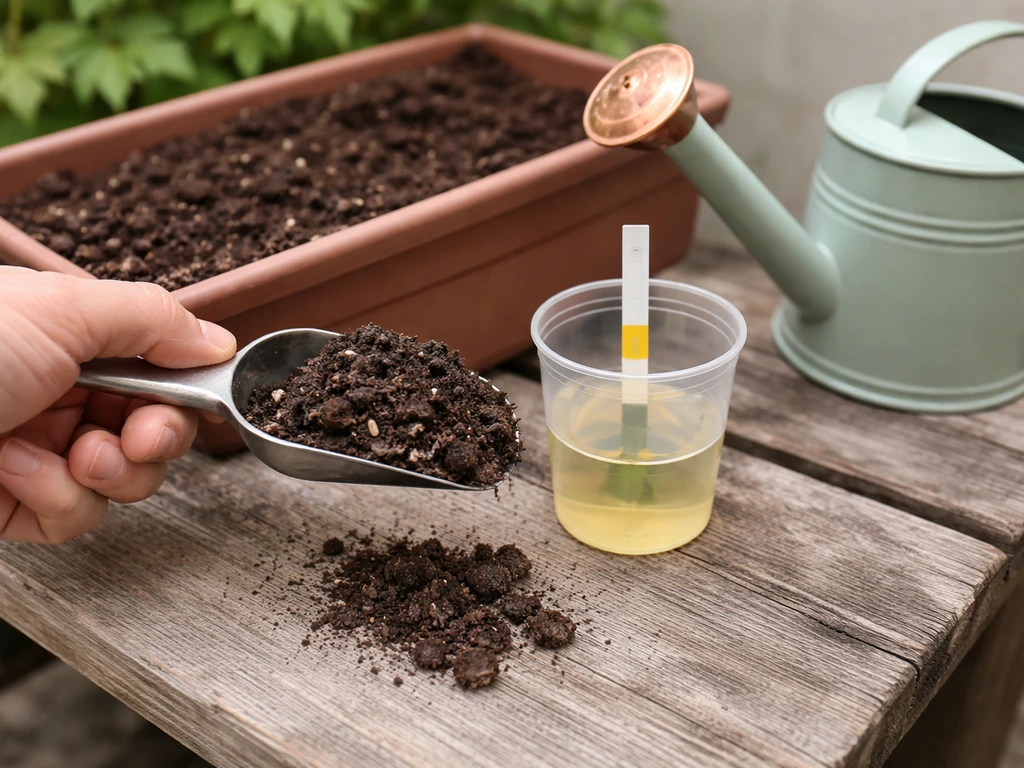
Gardenias are acid lovers. They need soil pH below 5.5, ideally in the 5.0 to 5.5 range. Minnesota's native soils tend toward neutral to slightly alkaline in many areas, especially in the prairie regions of the west and south. If you are growing in containers, use a potting mix specifically formulated for acid-loving plants (often labeled for azaleas, rhododendrons, or camellias). Do not use standard potting soil or garden soil for a container gardenia.
If you ever try an in-ground planting in a very protected microclimate, test your soil pH first. If it comes back above 6.0, you will need to acidify with agricultural sulfur or iron sulfate before planting. Missouri Extension guidance on acid-loving shrubs like azaleas and rhododendrons suggests these amendments can lower pH by roughly one unit, but it takes time and repeat applications. For Minnesota gardeners, container growing sidesteps this problem entirely because you control the growing medium from the start.
Sunlight-wise, gardenias need at least 6 hours of bright light daily to bloom. Indoors in Minnesota winter, this is the hardest requirement to meet. A south-facing window helps, but supplementing with a grow light for 12 to 14 hours a day makes a big difference in keeping the plant healthy and encouraging spring buds. Outdoors in summer, morning sun with some afternoon shade is the sweet spot.
Watering needs are moderate but consistent. Gardenias do not like to dry out completely, and they absolutely cannot sit in soggy soil. In containers, good drainage is critical. Make sure your pot has drainage holes and that the saucer is not holding standing water. Root rot from overwatering is one of the most common ways people lose container gardenias over winter when the plant is inside and not actively growing.
What to expect, and how to fix the common problems
If you set up a container gardenia correctly in Minnesota, here is a realistic timeline. Year one: you are mostly getting the plant established and learning its indoor/outdoor rhythm. Do not count on heavy blooming. Year two: if it overwintered well, you will likely see blooms in late spring or early summer after you move it back outside. By year three, a well-cared-for container gardenia can put on a genuine show with fragrant white flowers from June into July. That is a realistic best case.
The three most common failure points for Minnesota gardeners are chlorosis, bud drop, and winter damage. Here is how to read and respond to each:
- Yellow leaves with green veins (interveinal chlorosis): This is iron deficiency, almost always triggered by pH that is too high. The iron is in the soil but the plant cannot access it. Lower the pH with acidifying fertilizer or a sulfur treatment, and the yellowing usually resolves within a few weeks. Using hard tap water, which is common in many Minnesota municipalities, can also gradually raise container soil pH. Consider using filtered or rainwater for watering.
- Bud drop before flowers open: Gardenias are extremely sensitive to temperature swings and environmental changes. Moving the plant from outdoors to indoors, a sudden cold draft near a window, low humidity indoors, or inconsistent watering are all triggers. Increase humidity around the plant (pebble tray or nearby humidifier), keep it away from heating vents and cold windows, and try not to move it once buds form.
- Winter dieback or dead branches in spring: This usually means the plant got too cold at some point during overwintering. Cut back dead wood to green tissue in spring and give the plant time to recover. If the roots survived, it will often push new growth. If the roots are mushy or black, the plant is gone and it is time to start fresh.
- Root rot: Always check drainage. If the pot is sitting in water or the soil is constantly wet, root rot sets in fast. Let the top inch dry out between waterings and make sure water drains freely.
Your next steps before you buy
Before you spend money on a gardenia, do two things. If you are also wondering about hibiscus, check whether can hibiscus grow in Las Vegas in your specific yard conditions before buying. First, look up your exact zip code on the USDA Plant Hardiness Zone Map to confirm your zone. If you are wondering can gardenias grow in Utah, check your zone and plan for protection or container growing if your winters run cold USDA Plant Hardiness Zone Map. Most of Minnesota is zone 3b to 5a. If you are in the southeast corner of the state, you might be pushing zone 5a, which is still two full zones below where gardenias are reliably hardy outdoors. Second, think honestly about your winter setup. Do you have a south-facing window that stays above 50°F? A room with grow lights? An attached garage that will not freeze? If the answer is yes, a container gardenia is worth trying. If your indoor space is dark and cold, gardenias will be a frustrating experience.
When you buy, look specifically for 'Kleim's Hardy' or ask your nursery for the coldest-tolerant variety they carry. Buy the plant in a container you can manage to carry indoors (a 10 to 14 inch pot is a good starting size). Use an acid potting mix from the start. Place it outside after Memorial Day when overnight temps are reliably above 50°F, and plan to bring it back in by late September. In Las Vegas, the heat and winter chill levels are quite different from Minnesota, so check local conditions to see whether gardenias can stay outdoors year-round can gardenias grow in Las Vegas. With that setup, growing gardenias in Minnesota goes from nearly impossible to genuinely doable.
FAQ
Can I overwinter a container gardenia in an unheated garage or basement in Minnesota?
Yes, as long as you can keep it reliably above freezing. A basement that stays cool but not freezing (and has some light, or you add a grow light) is often better than a sunny window that drops below 40°F at night.
Should I repot my gardenia before bringing it indoors for winter?
Repotting during winter indoors often backfires because it stresses roots right when the plant is already dealing with low light. Wait until spring, after it has started growing outdoors, and keep the root ball intact rather than forcing a larger pot immediately.
Why do my indoor gardenias in Minnesota drop buds even though the leaves look healthy?
Gardenias can bloom and still be struggling, but indoor buds need stable conditions. If you lose buds, check the basics first, lighting (often too dim), indoor heat drafts near vents, and watering consistency (drying out too much triggers bud drop).
How can I tell if I’m overwatering a container gardenia over winter?
For Minnesota containers, start by confirming your potting mix drains well. If saucers hold water for more than a short time, use a deeper tray for humidity but keep the pot’s base above standing water.
When is the safest time to prune a gardenia that I’m growing in a Minnesota container?
Start pruning only after flowering or in late spring once it is actively growing again. Heavy pruning in winter reduces the plant’s energy while it already has low light, which can delay flowering and worsen stress.
Can I propagate gardenias in Minnesota, or is it too cold for new plants?
Yes, but choose the method carefully. Tip cuttings or layering are more realistic than expecting it to rebound from hard pruning after winter. Take cuttings in late spring to early summer when it is outside and growing, then treat them like a new plant with bright indirect light.
What is the best way to raise humidity for overwintered gardenias in a heated Minnesota home?
Humidity matters most when the heat is running, but constant misting can encourage leaf spotting and fungal issues. Better options are a pebble tray or a humidifier near the plant, and avoid wetting leaves before lights go off.
If my gardenia looks pale or damaged after winter, how do I know whether it was cold injury versus other problems?
Often, it is not a true hardiness problem. Chlorosis from high pH, low light, or root stress can look similar to cold injury. Verify the potting mix is acidic and consider checking indoor temperatures and watering habits before concluding the plant “died from cold.”
How should I transition my gardenia from outdoors to indoors without shocking it?
If your outdoor summers are truly sunny and hot, move the container back to morning sun and afternoon shade once nights cool down. Gardenias also dislike sudden shifts, so acclimate to indoor light over several days rather than a direct move from full sun to a dark room.
Will Minnesota tap water cause problems for container gardenias?
Be cautious with tap water, especially in areas with higher hardness. If you notice persistent leaf yellowing despite acidic mix, consider using filtered or rainwater, and occasionally flush the container to prevent salt buildup from fertilizers and hard water.
What’s more important for overwintering, temperature or light?
Using a frost-free basement can work, but light is the limiter. If you do not have a bright space or grow light, the plant may survive yet refuse to bud in spring. Aim for at least bright light or supplement with a grow light on a consistent schedule.
What are the first troubleshooting steps if my container gardenia keeps failing each winter?
Yes, but it is a slow process. If your plant is failing after winter, reduce variables one at a time, confirm acidic mix and drainage, then adjust the timing of the move indoors (late September for most areas) and the watering pattern (top inch dry, not bone dry).