
Gardenias can technically grow in Utah, but you need to go in with realistic expectations. Most of the state is simply too cold and too alkaline for gardenias to thrive in the ground long-term. Your best realistic shot is growing them in containers, overwintering them indoors, or, if you're in a warmer microclimate along the Wasatch Front, planting one of the genuinely cold-hardy cultivars like 'Crown Jewel' or 'Kleim's Hardy' in a very sheltered spot and crossing your fingers every January. Gardenias can grow in Minnesota too, but you generally need a similar container and overwintering strategy to beat winter cold.
Can Gardenias Grow in Utah? Varieties and Care Guide
Marcus Hartwell
21 May 2026
Utah's climate and what it means for gardenias
Utah is a tough place for gardenias for two big reasons: cold winters and alkaline soil. Most gardenias are subtropical shrubs that want USDA zones 8 and above, and the bulk of Utah sits in zones 4 through 7. blank" rel="noopener noreferrer">Even the relatively warm Wasatch Front corridor lands mainly in zone 7, where winter minimums hover around 0°F. Salt Lake City's record low is -22°F, way below anything a gardenia can survive. High-elevation parts of the state drop into zones 3 and 4, which are simply out of the question for any gardenia variety, full stop.
Then there's the soil. Utah's average soil pH runs around 8.0, which is alkaline. Gardenias need acidic soil in the pH 5.0 to 6.0 range. That's not a minor tweak, it's a fundamental mismatch that you'll be fighting constantly if you plant in native Utah soil without serious amendment. Low humidity and Utah's dramatic temperature swings between day and night also stress gardenias, which prefer stable, humid conditions. It's not impossible, but it's a fight on multiple fronts.
Gardenia varieties worth trying in Utah (and ones to skip)
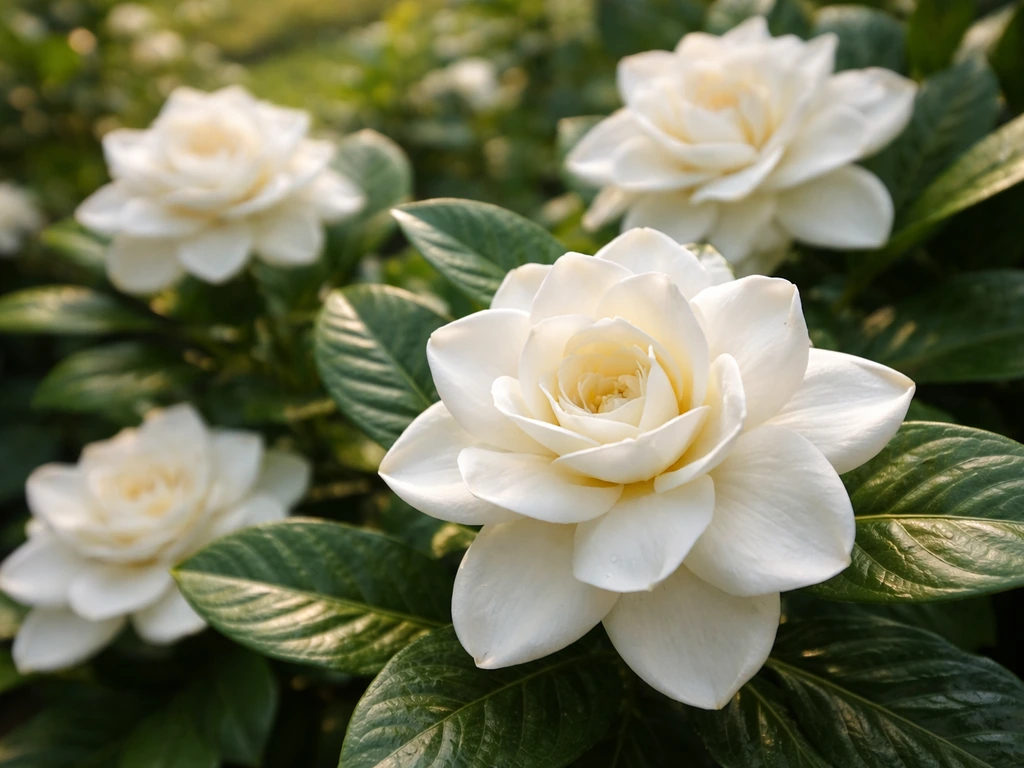
If you're serious about trying a gardenia in Utah, variety selection is the single most important decision you'll make. The common gardenias you see at big-box garden centers, varieties like 'August Beauty,' which is rated for zones 8 to 11, are almost guaranteed to die in a Utah winter unless you're container growing and bringing them inside. Don't waste your time or money on those for in-ground planting.
Your two best bets for Utah are 'Crown Jewel' and 'Kleim's Hardy.' 'Crown Jewel' is the most cold-tolerant gardenia widely available, rated for zones 6 to 11 by Monrovia and confirmed by both NC State Extension and Missouri Botanical Garden as hardy to zone 6 with protection. That puts it within reach for the warmest parts of the Wasatch Front. 'Kleim's Hardy' is also notably more cold-resistant than standard varieties, most gardenias won't survive below 25°F, and Kleim's Hardy pushes that envelope further. Neither of these is invincible in Utah, but they're your starting point if you want any chance of in-ground success.
| Cultivar | Zones Rated | Utah Viability | Notes |
|---|---|---|---|
| Crown Jewel | 6–11 | Possible in warmest Wasatch Front spots with protection | Best cold-hardy option; extension-backed |
| Kleim's Hardy | 6–7 (with protection) | Marginal in zone 7 microclimates | Single fragrant blooms; compact size |
| August Beauty | 8–11 | Not viable in-ground in Utah | Common but far too tender for Utah winters |
| Radicans (Dwarf) | 8–11 | Container only | Stays small; good pot candidate |
Winter hardiness, freeze risk, and microclimates
Even with the hardiest cultivars, Utah's winter freeze risk is the defining variable. Most gardenias die at or below 25°F, and even 'Crown Jewel' needs protection to survive zone 6 winters. The Wasatch Front is technically zone 7 on average, but cold snaps routinely push below that, and Utah's statewide record low is an extraordinary -50°F. The practical takeaway: even if your zip code says zone 7, you should plan for occasional zone 6 or worse conditions.
Microclimates are everything here. A south-facing wall in a sheltered Salt Lake City courtyard can create a noticeably warmer pocket than the surrounding neighborhood, sometimes by several degrees, which could be the difference between survival and freeze kill. Look for spots that benefit from reflected heat off masonry or brick walls, protection from north and west winds, and where snow melts fastest in spring. Areas near the Great Salt Lake or in the lower-elevation valleys may also have slightly milder winter lows than exposed hillsides at the same latitude.
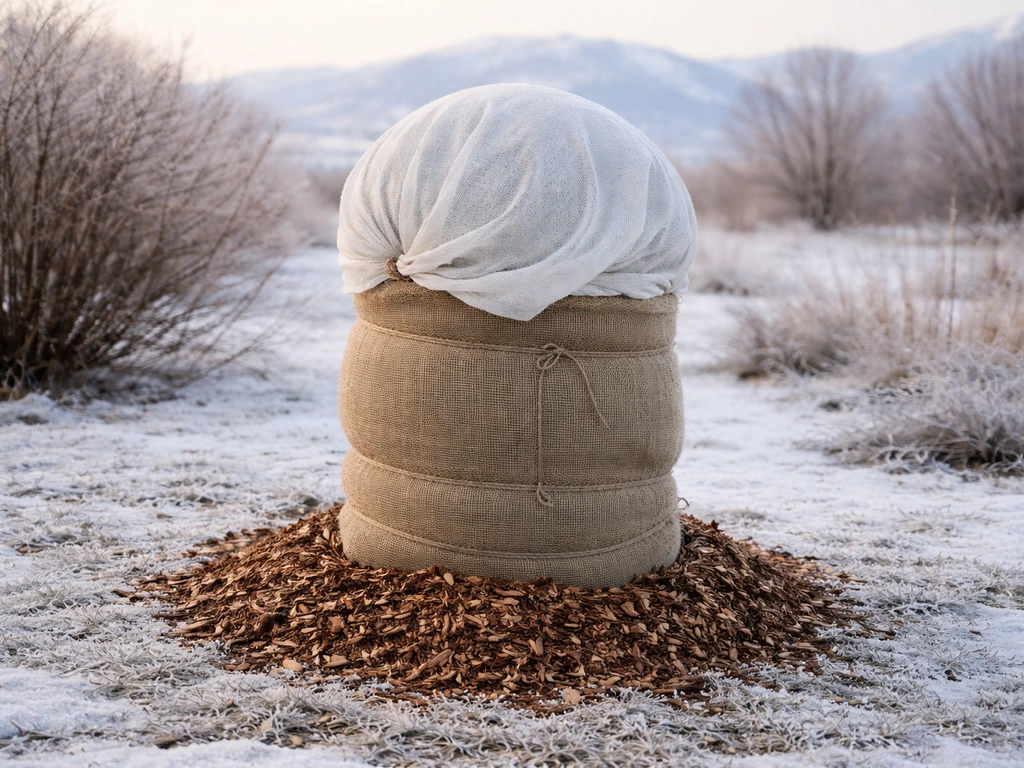
Frost protection matters even for the cold-hardy varieties. Covering your gardenia with frost cloth (not plastic) when temperatures drop below 25°F traps residual warmth and reduces direct heat loss from the leaves and buds. Mulching the root zone heavily before winter helps insulate roots even when the top growth takes a hit. Blackened tips after a cold snap are a common sign of frost damage, the plant may recover from the roots up if they stayed alive, but buds formed before the freeze are usually gone.
Where to plant gardenias in Utah
Site selection is critical. In Utah, gardenias need protection from the intense afternoon sun in summer (which can scorch leaves and dry them out fast) while still getting enough light to bloom, typically four to six hours of morning sun with afternoon shade is the sweet spot. Gardenias also need shelter from Utah's drying winds, which accelerate moisture loss and stress the plant even when temperatures are reasonable.
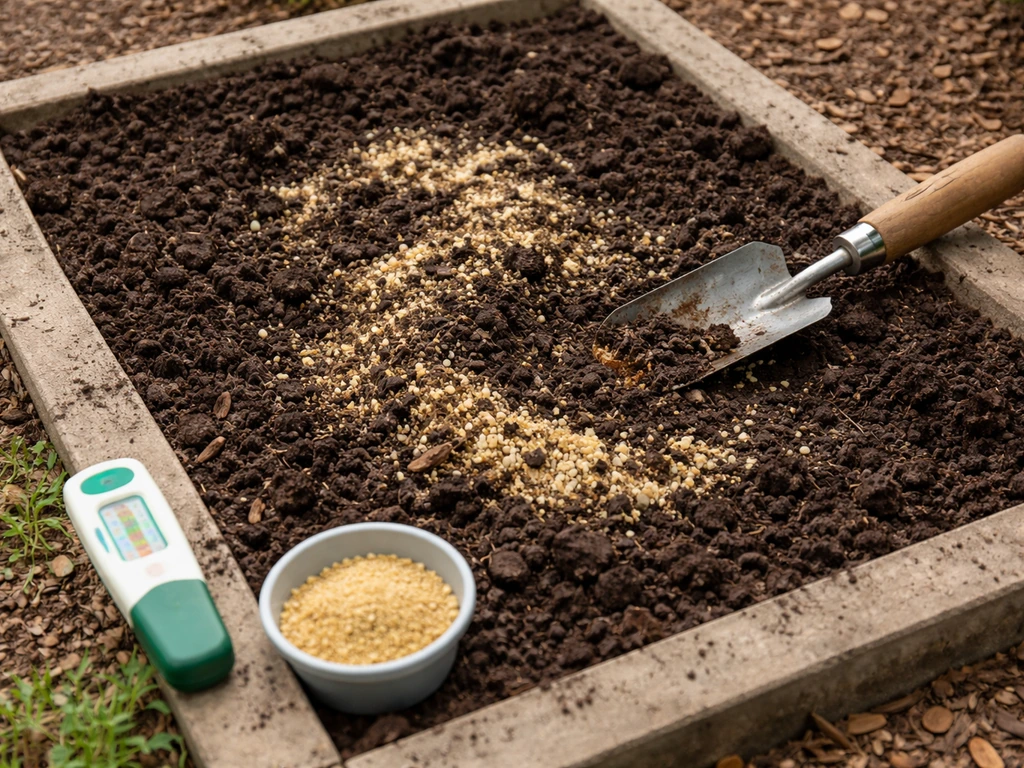
Soil preparation is non-negotiable before you plant anything in the ground. Get a soil test first, USU Extension offers soil testing guidance and this tells you exactly where your pH sits. Utah's native soil at pH 8.0 will cause immediate iron chlorosis in gardenias. You'll need to lower the pH substantially using elemental sulfur or aluminum sulfate, and even then, maintaining that acidity over time in Utah's alkaline water and soil environment requires ongoing effort. Iron chelates or ferrous sulfate can help manage chlorosis in the short term while your soil pH adjusts, but sulfur is slower to act than most people expect. Plan months ahead, not days.
Container vs. in-ground: which approach makes more sense in Utah
Honestly, for most Utah gardeners, containers are the smarter path. Growing your gardenia in a pot lets you control the soil mix completely, use a quality acidic potting mix designed for camellias or azaleas, and you sidestep Utah's alkaline soil problem almost entirely. More importantly, you can bring the plant inside for winter, which transforms a borderline-impossible situation into a manageable one.
When overwintering indoors, gardenias don't go fully dormant, they just slow down. Keep them in a cool, bright room (ideally around 60 to 65°F) and maintain consistent moisture. Utah's indoor air in winter is extremely dry, so running a humidifier nearby or setting the pot on a tray of pebbles and water helps prevent bud drop, which is one of the most frustrating gardenia problems. One important thing to know: gardenias overwintered indoors sometimes fail to bloom the following season even if they survived fine. Survival and flowering are two different goals.
In-ground planting is a reasonable experiment only for gardeners in the warmest Wasatch Front microclimates, using 'Crown Jewel' or 'Kleim's Hardy,' with a heavily amended soil bed and a commitment to winter protection every single year. If you try it, treat it as an experiment rather than a sure thing, and have a backup container plant for the years a hard freeze wipes it out.
A seasonal care plan for Utah gardenias
Spring
If your gardenia overwintered indoors, transition it back outside gradually after the last frost date (mid-April to early May depending on your elevation). Start in a shaded, sheltered spot and ease it into more light over two weeks. This is the time to apply an acidic slow-release fertilizer formulated for acid-loving plants and to recheck soil pH if you're growing in-ground. Apply sulfur amendments now if the pH drifted up over winter.
Summer
Gardenias are thirsty in summer but hate waterlogged roots. Keep soil evenly moist but well-drained, in Utah's dry heat, you may need to water more frequently than you expect, especially for container plants which dry out fast. Knollwood Gardens recommends keeping gardenias evenly moist while avoiding prolonged sitting in water, so the roots stay healthy and rot risk stays low Keep soil evenly moist but well-drained. Avoid wetting the foliage in the evening. Watch for iron chlorosis (yellowing leaves with green veins), which often flares in summer when alkaline water raises the soil pH over time. A dose of iron chelates can green leaves back up quickly while you work on the longer-term pH fix.
Fall
Stop fertilizing by late summer so the plant can harden off before cold arrives. Bring container gardenias inside before nighttime temps drop below 50°F, Utah fall temperatures can swing dramatically, and an unexpected cold snap can damage buds that were about to open. If you have an in-ground plant, apply a thick layer of mulch (3 to 4 inches) around the base before the first hard freeze.
Winter
Container plants go into a cool, bright indoor space. Check moisture regularly, gardenias still need water in winter, just less of it. Keep them away from heating vents, which blast dry air directly onto leaves. For in-ground plants, cover with frost cloth when temperatures threaten to drop below 25°F, and remove covers during mild spells so the plant can breathe.
Realistic expectations and common Utah gardenia problems
Here's the honest version: gardenias in Utah are a project, not a sure thing. Even under ideal conditions with the right cultivar, a perfect microclimate, and good winter protection, you're going to have years where a hard freeze kills the top growth or a dry stretch causes bud drop before blooms open. Gardeners in Las Vegas actually have it somewhat easier with warmer winters, though they battle extreme summer heat instead.
Utah's combination of cold winters AND alkaline soil AND low humidity is genuinely one of the harder environments for gardenias in the western U. If you are wondering can gardenias grow in Las Vegas instead, the key question is still whether you can provide acidic soil and winter protection. S.
That said, if you manage expectations and go in with the container approach, you can absolutely enjoy gardenia fragrance in Utah, you're just treating it more like a seasonal container plant you bring indoors than a permanent landscape shrub. If you’re wondering whether gardenias can grow in Illinois, the answer depends heavily on your local winter lows and how sheltered you can keep the plants.
Troubleshooting the most common failures
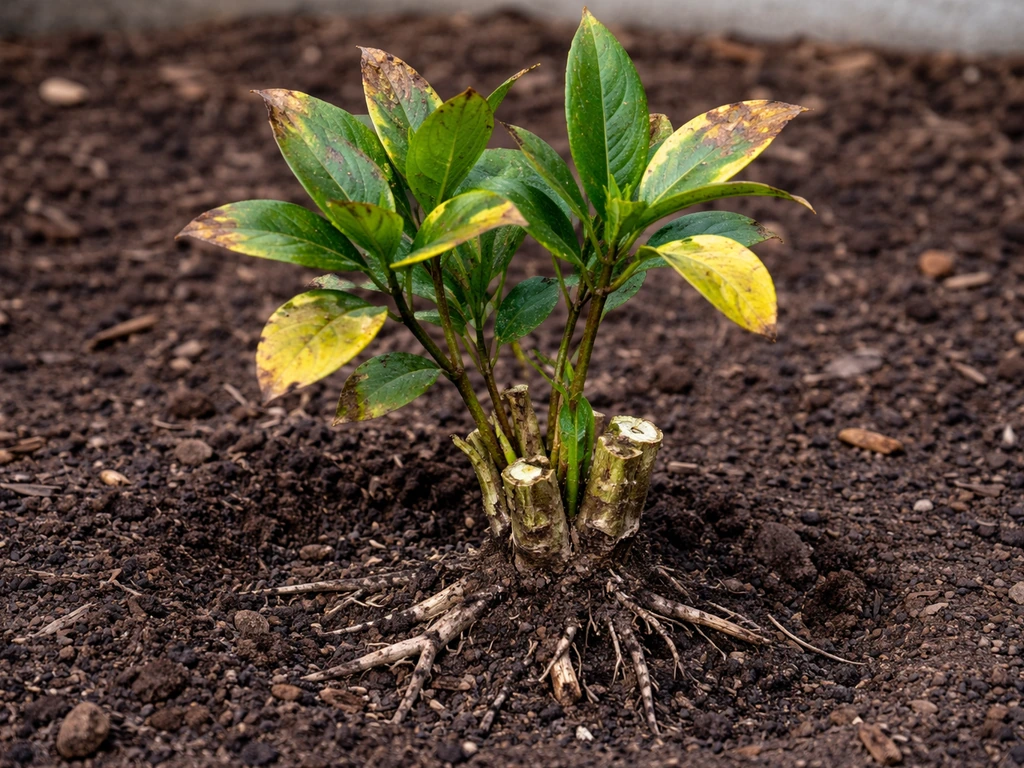
- Winter kill: Top growth dies back after a hard freeze. Check the roots and main stem — if green tissue remains at the base, the plant may regrow from the roots. Cut dead wood back to live tissue in spring and wait. This is very common even with cold-hardy varieties in Utah.
- Yellow leaves with green veins (iron chlorosis): Classic sign that soil pH is too high and iron is locked out. Apply iron chelates as a quick fix and treat the soil with elemental sulfur over the longer term. Test soil pH annually in Utah — alkaline irrigation water keeps pushing it back up.
- Bud drop without blooming: Can be caused by temperature swings, low humidity, drought stress, or overwintering stress. Utah's dry indoor air in winter is a common culprit. Increase humidity around the plant and keep temperatures steady.
- Slow or no blooms after overwintering: Gardenias sometimes don't bloom after an indoor winter stint even when healthy. Make sure the plant gets enough bright light and proper nutrition when it goes back outside in spring. Patience is required.
- Leaf scorch: Brown, crispy leaf edges in summer usually mean too much direct afternoon sun or drought stress combined with Utah's dry heat. Move the plant to a shadier spot or shield it from afternoon exposure.
- Pale, washed-out leaves overall: Different from iron chlorosis — this can be nitrogen deficiency or just general stress from pH issues. Feed with an acidic fertilizer and recheck pH before assuming the worst.
If you decide gardenias feel like too much of an uphill battle for your specific Utah location, you're not wrong to feel that way. But if you love the fragrance and want to commit to the container approach, it's doable with the right cultivar and a little winter planning. Start with one plant, see how it performs through a full Utah year, and expand from there.
FAQ
If I grow a gardenia in a container in Utah, do I still need to worry about soil pH?
Yes, but only if the potting mix stays acidic. Use a camellia or azalea-style acidic mix, avoid mixing in local alkaline amendments, and plan to monitor pH in the pot periodically because Utah irrigation water can slowly raise it.
What container and drainage setup gives gardenias the best chance in Utah?
For Utah, choose a container that drains freely and does not hold water. A common mistake is using a decorative pot without drainage, which can lead to root rot during cold indoor months when the plant uses less water.
Why does my gardenia survive the winter indoors but still won’t bloom?
Usually, it is not enough to be inside during winter. If the plant gets warm, dry air or inconsistent watering, buds can drop even if it survives, and overwintered plants sometimes fail to bloom the next season. Keep it cool and bright, and protect it from heat vents and sudden changes.
How should I transition a container gardenia back outdoors in spring in Utah?
Start hardening off only after your nighttime lows are reliably above freezing and then increase sun gradually. Jumping from a dim indoor spot to full Utah sun often causes leaf scorch and can trigger bud drop even if temperatures are okay.
My gardenia leaves are turning yellow, how do I tell if it is iron chlorosis versus something else?
If you see yellow leaves with green veins, suspect iron chlorosis from alkaline conditions or alkaline water. Quick correction is usually an iron chelate, but you still need a longer-term pH plan, and you should retest since repeatedly treating symptoms can hide the real cause.
What is the best way to protect a gardenia during unexpected cold snaps in Utah?
Use frost cloth when you expect lows below about 25°F, and do not rely on plastic since it can trap moisture and damage tissue. Also, frost protection is only useful if you water appropriately before cold and keep the plant well-drained, because wet roots plus cold is a bad combination.
If I amend my in-ground soil with sulfur, will the pH stay acidic long-term in Utah?
Yes, but treat it as a separate project. Acidifying amendments like sulfur take time, and Utah’s alkaline water can pull pH back up. Plan to recheck pH after the first season, then periodically, rather than assuming the initial soil treatment will last for years.
How often should I water a gardenia in a Utah container during summer?
In Utah, yes, containers dry fast, but the key is to water based on the mix’s moisture, not a calendar schedule. Water thoroughly until it drains, then wait until the top layer begins to dry slightly before watering again.
What light conditions are best for gardenias along the Wasatch Front?
Gardenias need enough light to form buds and bloom, but intense afternoon sun can scorch them. A practical target for Utah is morning sun with afternoon shade, and if you notice leaf burn, shift the pot or add more shade rather than simply watering more.
What should my backup plan be if I try in-ground planting but get a hard freeze?
If your neighborhood gets winter cold below what the cultivar handles, your best backup plan is to keep the gardenia in a container even if you start it in-ground. Replanting after freeze damage is much harder if it is already rooted deep and you cannot lift it easily in time.