
Bougainvillea thrives in hot, sunny, frost-free climates: USDA zones 10 and 11 are its sweet spot, zone 9 is workable with some protection, and anything colder than that means you're growing it in a container and dragging it indoors every winter. That's the short answer. If you want to know exactly where bougainvillea grows, whether your yard qualifies, and what to do if it doesn't quite meet the threshold, keep reading.
Where to Grow Bougainvillea: Best Zones, Light, and Setup
Marcus Hartwell
3 Apr 2026
Where bougainvillea comes from and what that tells you about your climate
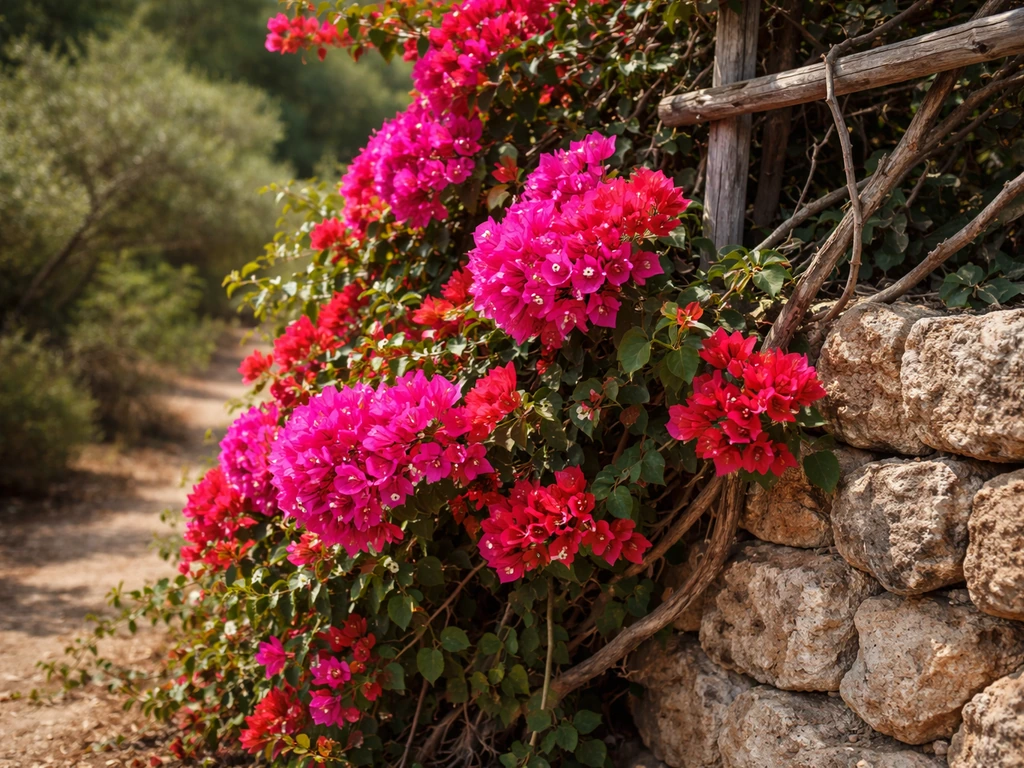
Bougainvillea is native to South America, specifically Mexico, Brazil, Bolivia, Paraguay, Peru, and Argentina. One of the most widely grown species, Bougainvillea spectabilis, comes from coastal Brazil, Peru, and Bolivia. These are warm, bright environments with distinct wet and dry seasons, which explains a lot about the plant's behavior. In its native habitat, bougainvillea is evergreen where rain falls year-round but goes deciduous during dry seasons elsewhere. That seasonal rhythm also drives its flowering: the showy bracts you're after are triggered by those drier, brighter periods, not by consistent rainfall and shade.
What this means practically: bougainvillea is hardwired for heat and bright sun, not moisture and cool temperatures. If your climate looks anything like coastal Brazil or central Mexico, you're in good shape. If you're somewhere with long winters, grey skies, and freezing temps, the plant will fight you every step of the way.
The zones and regions where bougainvillea actually performs
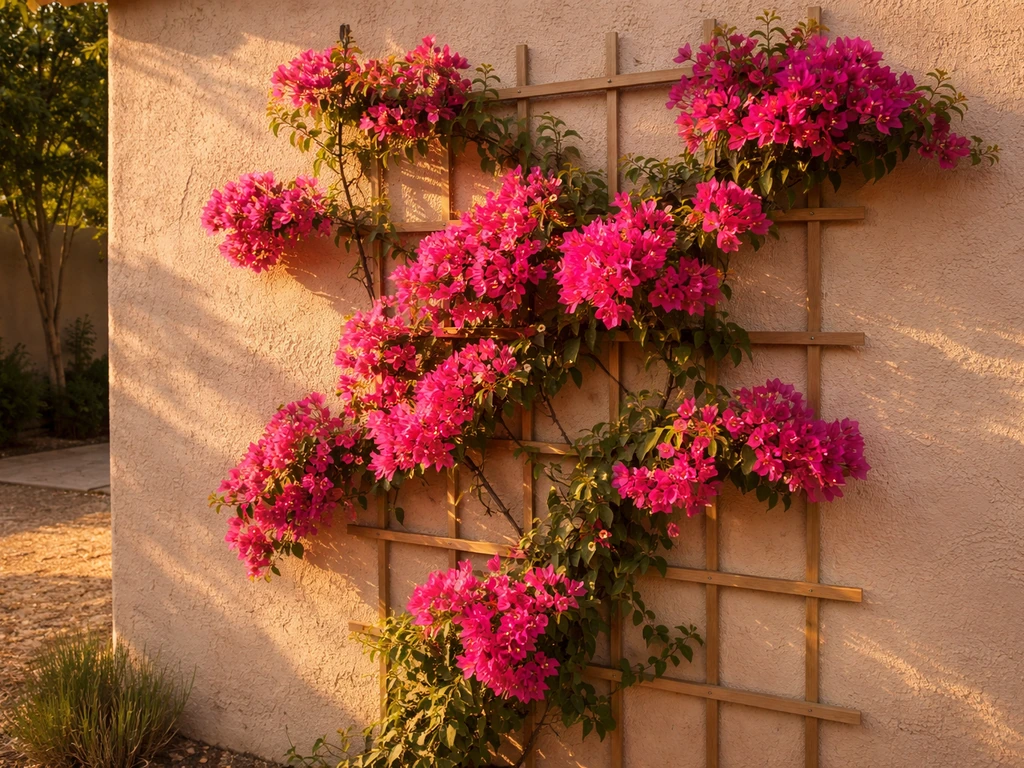
According to Clemson Extension, bougainvillea thrives in USDA Zone 10 and will survive in Zone 9 if protected. Zone 11, which covers Hawaii and parts of extreme South Florida, is essentially paradise for this plant. Zones 10–11 include places like Miami, the Florida Keys, parts of coastal Southern California, Phoenix, the lower Rio Grande Valley in Texas, and Hawaii. In these areas, you can plant bougainvillea in the ground, train it up a wall, and more or less leave it alone.
Zone 9 is a different story. It covers places like Houston, most of coastal California, central Florida, and parts of the Pacific Northwest coast. Winters in Zone 9 can and do include freezes, and bougainvillea sitting in the ground can take serious damage when temperatures drop below 30°F. It's not impossible in Zone 9, but it's marginal, and you need to plan for cold snaps rather than hoping they won't happen. For zones 8 and colder, in-ground planting is essentially off the table unless you're in an unusually sheltered microclimate.
Gardeners in states with colder winters often wonder how far the plant's range extends. If you're curious whether bougainvillea is a realistic option for Texas, the answer varies sharply by which part of the state you're in. South Texas sits in zone 9–10 and can support in-ground plants; North Texas gets cold enough that containers are the smarter bet.
How bougainvillea actually grows: what you need to know before you plant
Growth habit and size
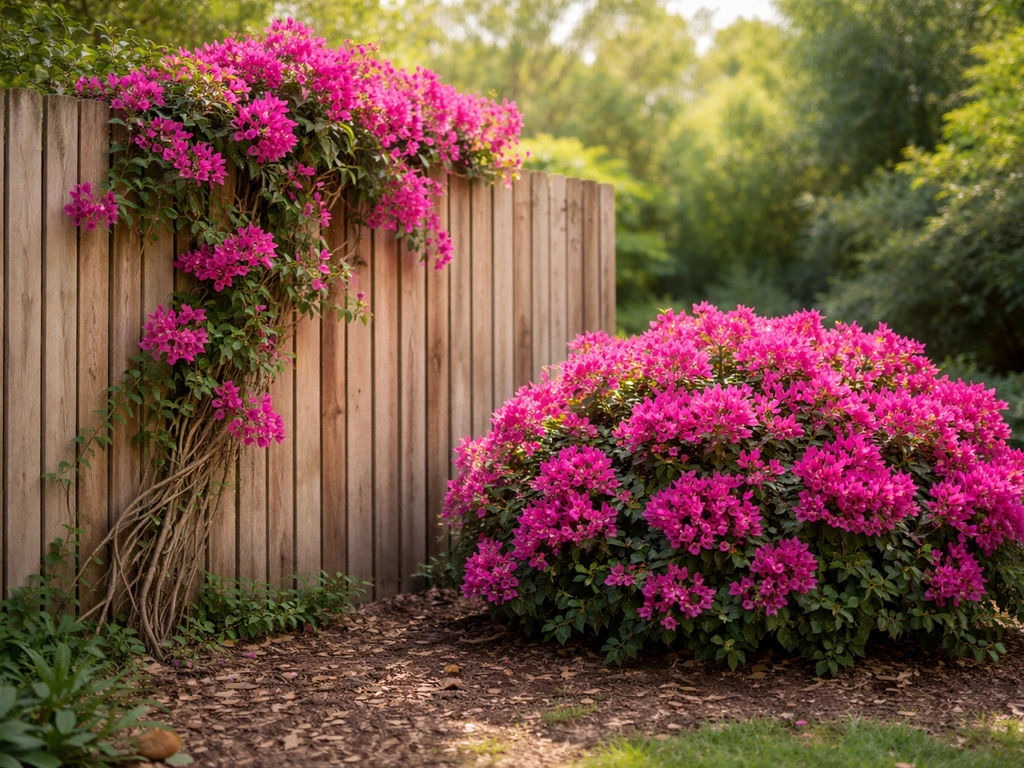
Bougainvillea is a woody flowering vine that also takes a shrub-like form depending on how you train it. In ideal conditions (zone 10+), it can climb fences, cover walls, and grow into a substantial landscape plant with vigorous branching. Pruning keeps it manageable and actually encourages more flowering cycles, since bracts are produced as new growth matures. In cooler zones, growth is slower and the plant rarely hits the same scale, but the same principles apply: prune after bloom cycles, train to a structure, and give it something to grab onto.
Light: full sun is non-negotiable
Bougainvillea needs full sun, period. Fine Gardening notes that while a half day of sun (4–6 hours) is the absolute minimum for any flowering, full sun is what produces the best bract color. The CTAHR Hawaii Cooperative Extension is even more direct: best flowering requires at minimum 65°F nights and 75–95°F daytime temperatures. Direct, unfiltered sunlight is the primary fuel for flowering. If you're trying to grow bougainvillea in a partially shaded yard or on a north-facing wall, you'll get green leaves and almost no color. This is one of the most common reasons plants fail in otherwise warm-enough climates.
Temperature: where the line is drawn
The flowering temperature window is specific: nights should stay above 65°F and days between 75–95°F for strong bract production. Below 30°F, you're looking at leaf drop and root damage, and Homes & Gardens is blunt about it: temperatures below 30°F can be a deal breaker. Fine Gardening adds that when cold nights do dip below 30°F, you need to cover plants all the way to the ground with frost cloth, not just drape something loosely over the top.
Setting up your spot so bougainvillea has a real chance
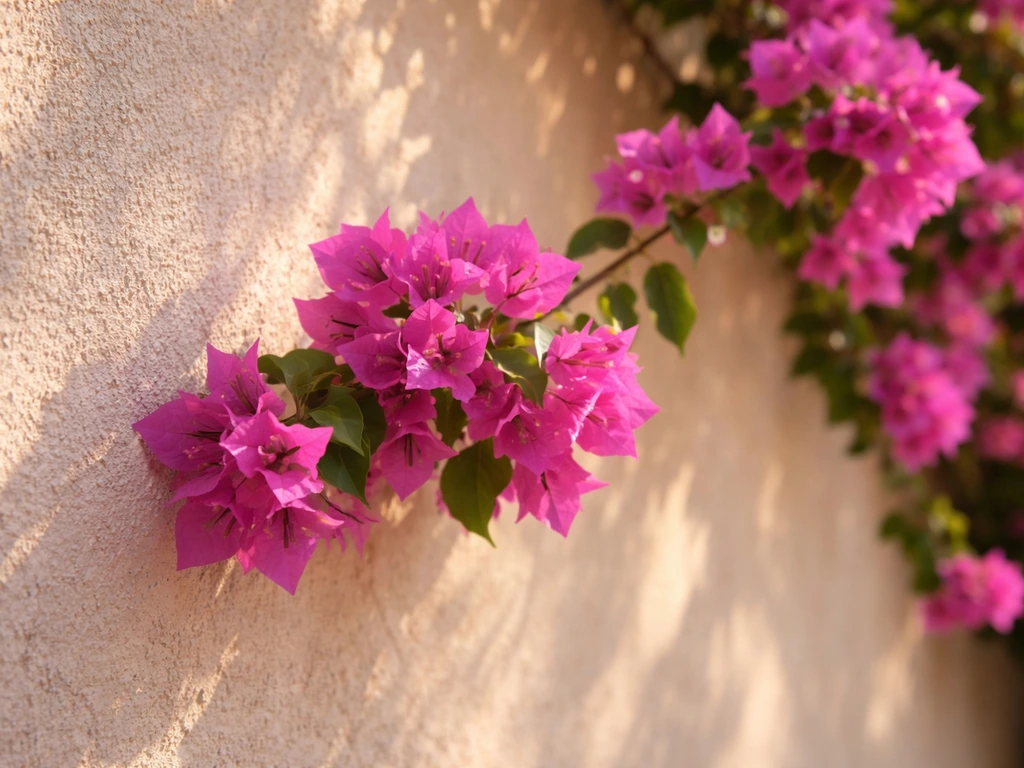
Even in the right zone, placement matters a lot. Here's what the research consistently points to for getting the most out of the plant in your specific yard:
- Full sun, south or west-facing exposure: bougainvillea performs best against walls that absorb and radiate heat, like stucco or brick. The reflected warmth extends the plant's productive season and boosts bract development.
- Well-drained soil: waterlogged roots are a serious problem. Roots need oxygen, and heavy or compacted soil that holds moisture leads to rot and poor flowering. Aim for a soil pH just over 6.0 (acceptable range is about 5.5–7.5).
- Dry side of the watering spectrum: once established, bougainvillea requires little water. Overwatering pushes the plant toward lush green growth at the expense of bract color. Too much water, too little color.
- Protected microclimate in zone 9: a south-facing wall, a covered patio corner, or a spot near a structure that holds warmth overnight can make the difference between a plant that survives winter and one that doesn't.
- Elevation awareness: in Hawaii and other areas with variable elevation, note that bougainvillea performs best at lower, warmer elevations with consistent heat and sun.
The optimal development and flowering temperature range is roughly 18–35°C (64–95°F). If your outdoor conditions hit that range reliably through the growing season and your site gets unobstructed sun, you've got a good setup.
How to decide if you can actually grow bougainvillea where you live
Before you buy a plant, run through these three questions about your location:
- What's your USDA hardiness zone? Zone 10–11: plant in-ground and enjoy it. Zone 9: in-ground is possible but you'll need a frost protection plan. Zone 8 and colder: container growing is your only realistic option.
- Do you get hard freezes? If your winters regularly drop below 30°F, in-ground bougainvillea will be damaged or killed. If it's occasional and brief, heavy frost cloth and a protected spot can get you through. If it's sustained and frequent, containers are the answer.
- Can you give it full sun for most of the day? If your yard is shaded by trees, structures, or a northern exposure, bougainvillea won't flower well regardless of your zone. Find a different plant for that spot.
It's worth being honest with yourself here. Gardeners in the UK, Ireland, Canada, and the northern US states often see bougainvillea in garden centers and assume it's viable outdoors. In most of those regions, it isn't, at least not in the ground year-round. For example, if you're wondering whether bougainvillea can grow in Ireland, the answer is that it's grown primarily as a container plant there, overwintered in a bright, frost-free space at around 10–15°C to survive the cold months. Similarly, growing bougainvillea in Canada is essentially a container-only endeavor across most of the country, with plants spending winter indoors. And for mid-Atlantic gardeners, the question of whether bougainvillea can grow in New Jersey comes down to the same calculus: too cold for the ground, but manageable in a pot if you have indoor space for overwintering.
In-ground vs container: how to decide and set it up
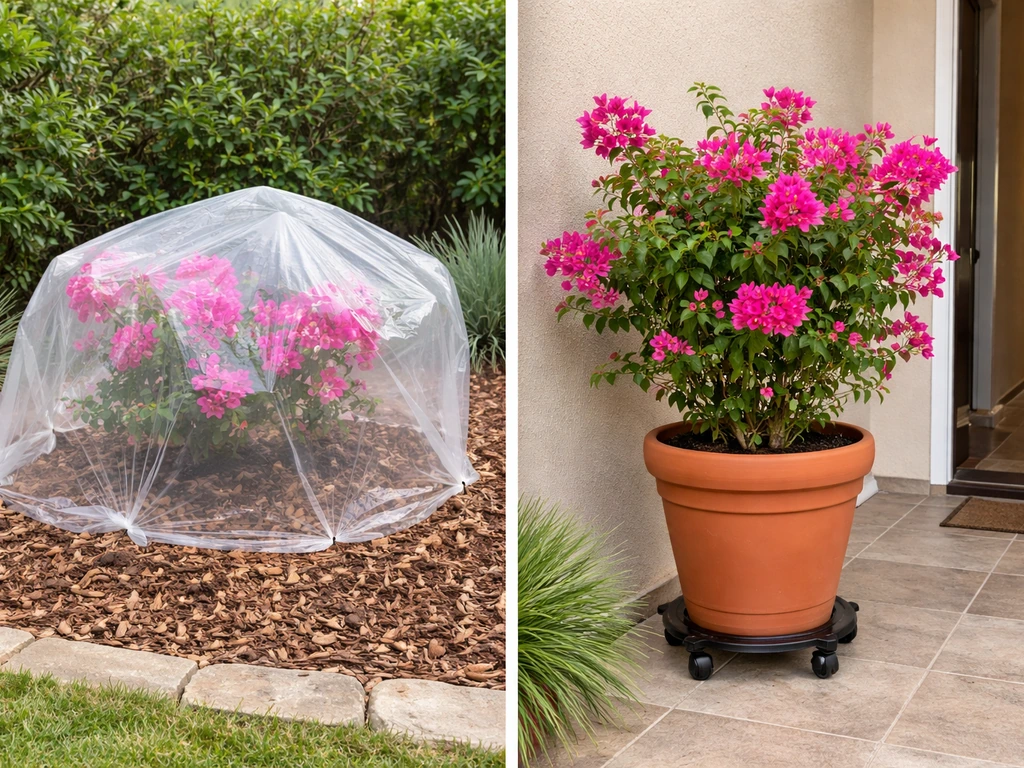
| Factor | In-Ground (Zones 10–11) | In-Ground with Protection (Zone 9) | Container (Zones 8 and colder) |
|---|---|---|---|
| Winter low threshold | Rarely or never below 30°F | Occasional dips below 30°F with frost cloth | Regular freezes; bring indoors below 40°F |
| Plant size potential | Large; fence-height and beyond | Moderate; may die back in cold years | Limited by pot size |
| Winter effort | Minimal | Moderate (frost cloth, mulching) | High (move indoors to garage or greenhouse) |
| Flowering potential | Excellent with full sun | Good in warm months; reduced after frost events | Good during warm season; dormant indoors |
| Best for | Southern Florida, Hawaii, coastal SoCal, lower Rio Grande Valley | Houston, central Florida, coastal California | Northeast, Midwest, UK, Ireland, Canada |
For container growing in cold climates, the move-indoors timing matters. Gardener's Path recommends relocating plants before outdoor temps drop to around 40°F, which gives you a buffer before any real cold damage starts. Once inside, keep the plant in a bright spot (a greenhouse or south-facing window is ideal) at around 10–15°C. Cut back watering significantly but don't let it bone-dry completely. When spring returns and nighttime temps are reliably above 50°F, move it back outside gradually.
For zone 9 in-ground plants facing occasional frost, the approach is layered protection: pile several inches of mulch over the root zone, wrap the above-ground stems with frost cloth all the way to the ground on cold nights, and position the plant against a south-facing wall to maximize heat retention. Don't use plastic sheeting, which traps moisture and can cause more problems than it solves.
Mistakes that trip people up in marginal climates
Most bougainvillea failures come down to a handful of predictable errors. If you're in a zone where the plant is possible but not guaranteed, these are the ones to watch:
- Not enough sun: this is the single most common reason bougainvillea doesn't flower. If the plant isn't getting at least six or more hours of direct, unfiltered sun daily, it won't produce bracts no matter how warm your climate is. Planting against a shady fence or under a tree canopy is a setup for disappointment.
- Ignoring frost thresholds: zone 9 gardeners in particular sometimes plant in-ground and then get caught by a hard freeze they weren't expecting. Temperatures below 30°F cause leaf drop and can damage roots; sustained cold can kill the plant outright. Have your frost cloth ready before the first forecast of cold weather, not after.
- Overwatering: once established, bougainvillea wants to be on the dry side. Overwatering produces green, leafy growth with almost no color. If your plant looks lush and green but has no bracts, too much water is a likely culprit alongside insufficient sun.
- Poor drainage: even if you water correctly, planting in heavy clay or low-lying areas where water pools is a problem. Roots need oxygen; waterlogged soil kills root function and leads to weak, unhealthy plants.
- Skipping winter prep for containers: in colder zones, leaving a potted bougainvillea outside through a freeze is an easy way to lose the plant. Move it indoors before temps approach 40°F, not after the plant has already taken cold damage.
- Planting in-ground in zone 8 or colder: it's tempting when you see the plant thriving at a garden center, but unless you have an extraordinary sheltered microclimate, in-ground bougainvillea below zone 9 rarely survives a normal winter.
The consistent theme across all of these mistakes is the same: people underestimate how heat- and sun-dependent this plant truly is. Bougainvillea isn't just frost-sensitive; it actively needs heat and bright light to flower at all. Get both right, match your planting strategy to your actual zone, and you'll get the vivid color everyone grows it for.
FAQ
How much sun does bougainvillea need to actually flower, not just survive?
Aim for unblocked direct sun for most of the day. If your site is shaded by trees or a building for more than about half the day, expect mostly leaf growth and weak bract color even when temperatures are warm enough.
If my nights drop below 65°F, will bougainvillea stop flowering completely?
It may slow flowering rather than fully stop, but frequent cool nights reduce bract formation. In borderline climates, prioritize the warmest microclimate you have (south-facing wall, near a heat-retaining surface) to keep nighttime temps closer to the ideal range.
Can I grow bougainvillea indoors year-round instead of overwintering outdoors?
Yes for survival and partial growth, but full bract color is difficult indoors because light is usually insufficient. Plan for a very bright spot (often a greenhouse or strong grow lights) and use a cooler, brighter winter window without overwatering.
What size pot is best if I’m growing bougainvillea in a container?
Use a pot just large enough for the roots with good drainage, since bougainvillea flowers better when it is not excessively oversized. Oversized containers hold extra moisture and can delay flowering and increase root-rot risk.
How often should I water bougainvillea in the ground versus in a pot?
In-ground plants generally need less frequent watering once established, because they handle dry spells better than cold wet soil. In containers, water based on dryness at the root level, then allow the pot to drain fully, avoid leaving water in the saucer.
Is frost cloth enough protection for zone 9 bougainvillea?
Usually not by itself. For freezes, combine mulch over the root zone, protect stems to the ground with frost cloth, and avoid plastic sheeting. The goal is to reduce heat loss while still preventing trapped dampness.
What should I do with pruning if my bougainvillea is a container plant and I’m bringing it inside?
Don’t do heavy pruning right before moving indoors. Wait until after the main flowering flush or after you’ve completed the overwintering period, then prune in a way that shapes new growth rather than removing too much before reduced-light months.
Why does my bougainvillea look healthy but never produces bracts?
The most common causes are insufficient direct sun, overly cool nights, and too much water or fertilizer that drives leaf growth. Reduce shade first, then check that your placement and temperature pattern match the flowering needs.
Should I fertilize bougainvillea to boost flowering?
Use restraint. If you fertilize heavily, especially with nitrogen-heavy mixes, you can get lush foliage with fewer bracts. If you feed, do it during active growth in warm months and stop before the plant goes into slower overwintering.
Can I plant bougainvillea near a walkway or under an eave?
Avoid low-sun spots and places where rain stays trapped against the stems. Even if the area is warm, poor airflow and reduced direct light can lead to weak flowering and more disease pressure.