
Bougainvillea can grow in Ireland, but not outdoors year-round. You can keep one alive and even get it to flower, but only if you treat it as a container plant that spends summer outside and winters somewhere frost-free indoors. Anyone who tells you bougainvillea will just grow in an Irish garden the way it does in Spain or California is setting you up for a dead plant by February.
Does Bougainvillea Grow in Ireland? Yes, But With Conditions
Marcus Hartwell
19 May 2026
Can bougainvillea grow outdoors in Ireland?
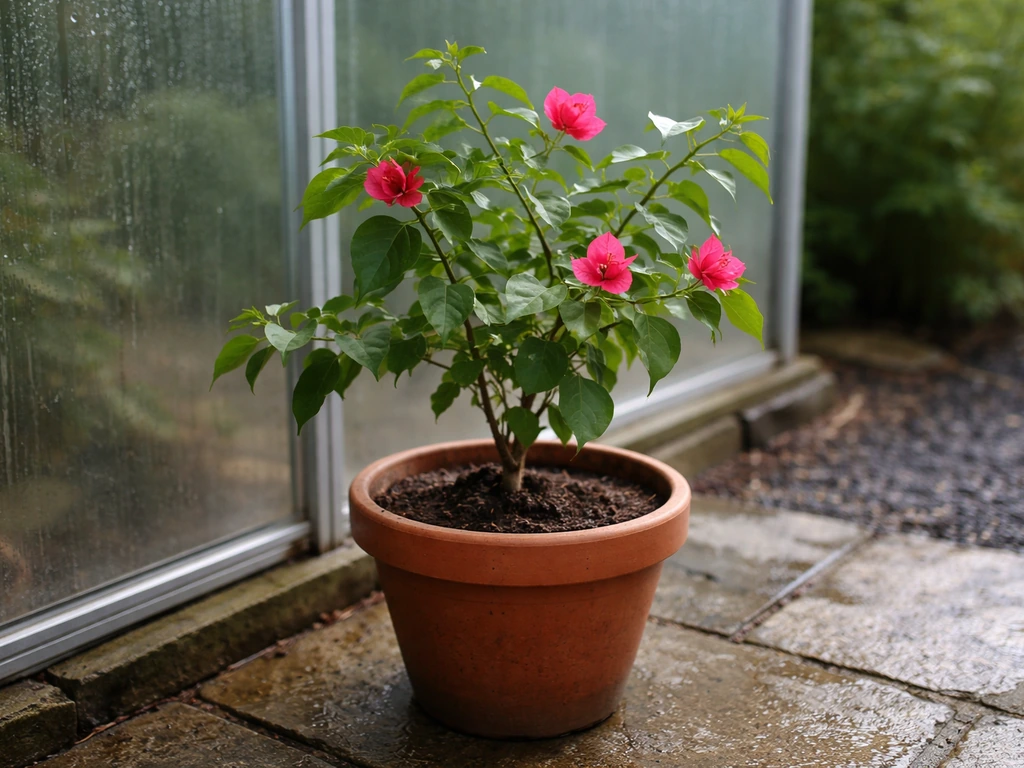
The honest answer is: outdoors only in summer, and even then with caveats. Bougainvillea is classified as half-hardy, meaning it cannot survive frost. The RHS is explicit that it needs a heated glasshouse for year-round cultivation and must be kept frost-free in winter regardless of where you are in the British Isles. The RHS notes that bougainvillea is half-hardy and needs a heated glasshouse for year-round cultivation, staying frost-free in winter. Ireland is no different, and in many ways it's trickier than southern England because summers here are shorter and cooler.
That said, you can absolutely put a potted bougainvillea outside on a sunny patio from late May through September. It will enjoy the fresh air, and if the spot is warm and sheltered, it may even push out a flush of colour. But the moment temperatures start dipping toward zero, it needs to come inside. Left out through an Irish winter, it will die.
Ireland's climate: frost, heat, and why this matters
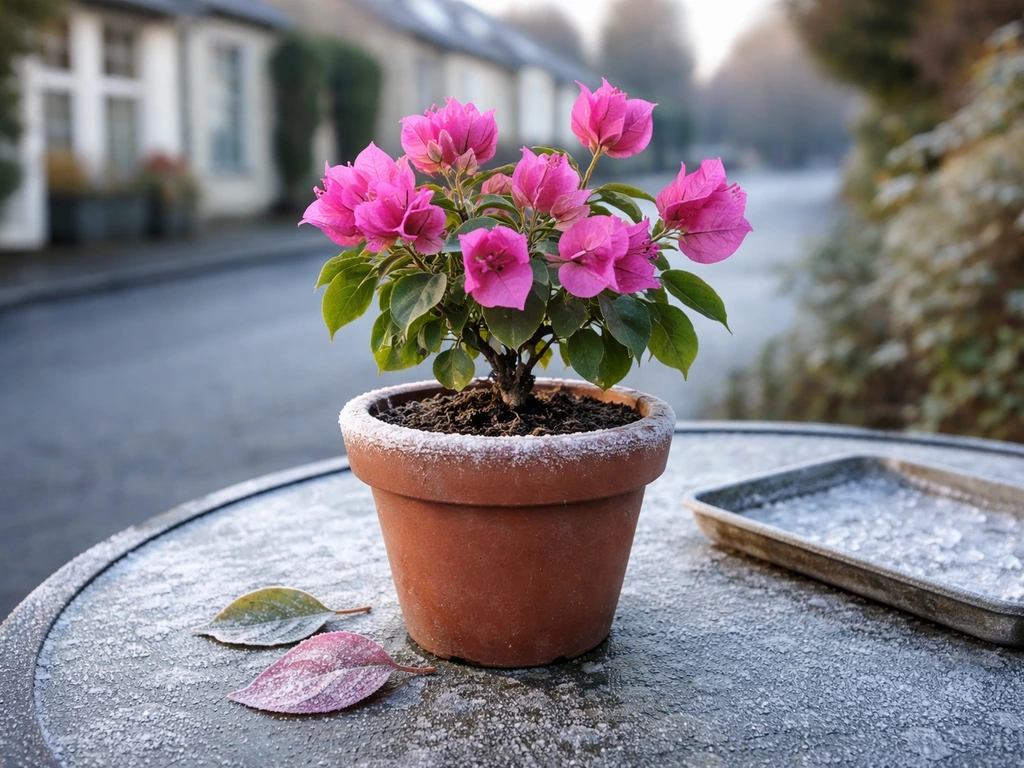
Ireland sits roughly in climate zones 8 to 9, with mild winters compared to continental Europe but far too cold and frost-prone for bougainvillea to overwinter outdoors. According to Met Éireann data, inland stations record minimum temperatures below 0°C on around 40 days per year. Even on the coast, where the Atlantic keeps things milder, there are still up to 10 days per year with sub-zero lows. One hard frost is all it takes to kill an unprotected bougainvillea.
The frost issue is the dealbreaker for outdoor growing, but summer heat is the other limiting factor. Bougainvillea needs real heat to flower well. The RHS recommends a minimum night temperature of 10°C just for establishment and growth. In Ireland, even in a good summer, nighttime temperatures frequently drop below that threshold, especially from August onward. So while coastal spots like Cork, Wexford, or the sheltered gardens of Kerry give you the best shot at a warm microclimate, you are still working against the plant's preferences.
Inland areas are harder again. If you're in the midlands or at any elevation, your frost window is longer, your summer nights cooler, and your chances of getting bougainvillea to put on a real show outdoors are slim. Coastal gardens with a south-facing wall are the closest Ireland gets to viable outdoor conditions, and even there, winter protection is non-negotiable.
Your best options: conservatory, greenhouse, or container growing
If you want bougainvillea in Ireland and you want it to actually thrive, here are the three setups that genuinely work. For more specific guidance on which climates and setups suit it best, see our guide on where to grow bougainvillea. Each has different requirements and trade-offs.
Conservatory or sunroom
A bright, south-facing conservatory is probably the single best environment for bougainvillea in Ireland. It stays frost-free through winter, gets good light, and warms up quickly on sunny days. You can let it grow against the glazing and get genuinely impressive displays. The challenge is summer heat: conservatories can become roasting in July and August, which bougainvillea actually loves, but you need good ventilation to avoid fungal issues.
Heated greenhouse
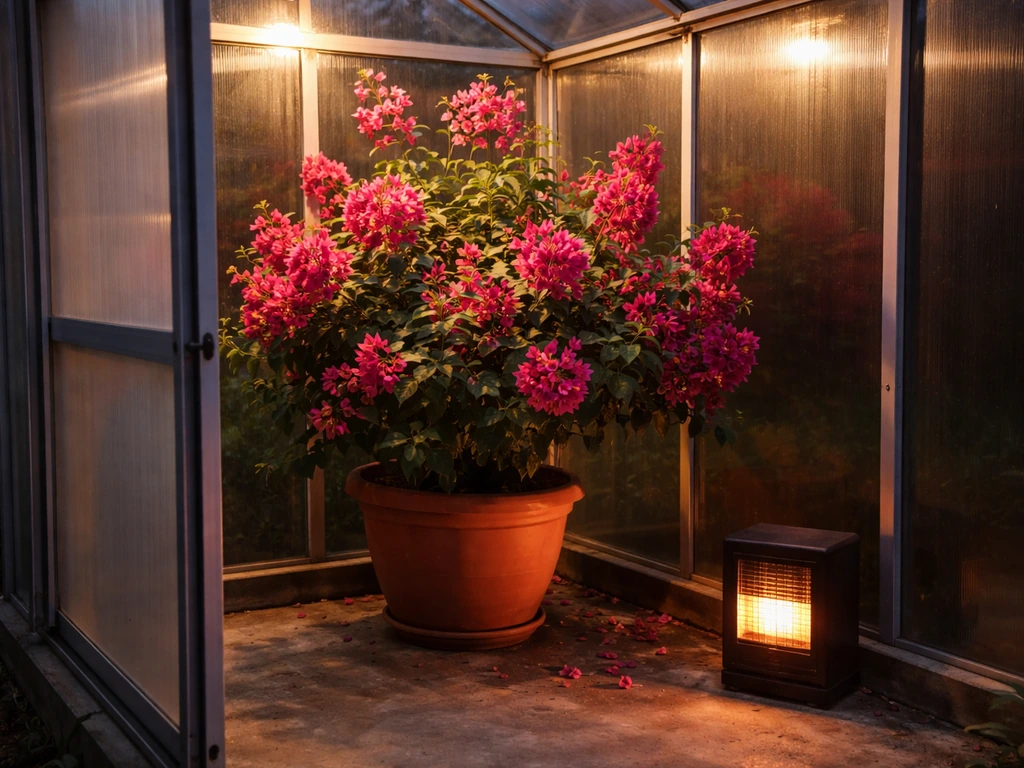
A heated greenhouse gives you more control. You can maintain the minimum 10°C night temperature the plant needs during winter and let it rest or continue growing depending on how much heat you provide. This is the setup the RHS points to for year-round cultivation. The running costs of heating a greenhouse through an Irish winter are real, so factor that in before committing.
Container growing outdoors in summer
Growing in a large container is the most flexible approach and the one most Irish gardeners end up using. You put the plant outside in a sunny, sheltered spot from late May to September, then move it back inside before the first frost. A large pot on a south-facing patio, pushed against a warm wall, is a surprisingly good spot in summer. The key is that the container must be manageable enough to actually move, which limits plant size. A half-barrel or 40-litre pot is about the practical maximum for most people.
Picking the right cultivar for Irish conditions
Not all bougainvilleas are equal when it comes to coping with cooler, less sunny conditions. For Ireland, you want cultivars that are noted for their ability to flower with fewer heat units and that have some tolerance for lower light. While bougainvillea will never be truly cold-hardy, some varieties perform better than others in marginal conditions.
- Bougainvillea 'Alexandra' is widely available and reliable, with vivid magenta bracts and decent performance in container growing.
- 'Miss Alice' (white bracts, compact and nearly thornless) is a good choice for a smaller conservatory where space is limited.
- 'Vera Deep Purple' is popular in UK/Ireland retail and tends to flower reasonably well even when conditions aren't perfect.
- Smaller, compact cultivars are generally better for container life and easier to overwinter than vigorous large-growing varieties.
- Grafted plants tend to be more vigorous and established than rooted cuttings; if you can find a grafted specimen at a nursery, it is worth paying slightly more.
- Avoid the very large tropical cultivars bred for high-heat climates; they will sulk in Irish conditions and rarely justify the effort.
When buying, look for a plant that already has a well-developed root system and at least some woody stem structure rather than a floppy young cutting. A plant that has already gone through one growing season will be far more resilient.
Keeping it alive year-round: a practical overwintering plan
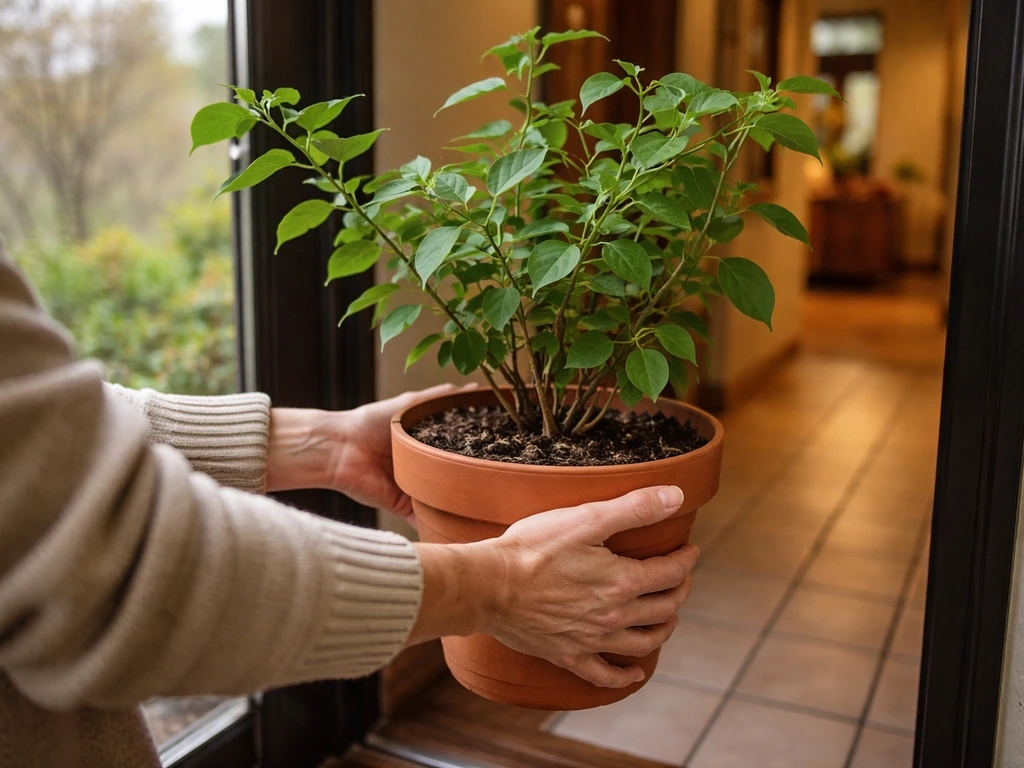
This is where most bougainvillea attempts in Ireland fail. People either leave the plant out too long in autumn and catch a frost, or they bring it inside but put it in a dark hallway where it slowly deteriorates. Here is what actually works.
- Bring the plant inside before the first frost, typically by mid-October in most of Ireland and earlier in inland or elevated areas. Do not gamble on a mild November.
- Put it somewhere cool but genuinely frost-free: a minimum of 5 to 7°C is survivable for short periods, but the RHS recommends aiming for 10°C minimum nights if you want it to keep growing. An unheated garage or shed is too cold; a heated conservatory or frost-free greenhouse is ideal.
- Light is critical in winter. If the plant goes into a dim location, it will drop leaves and weaken significantly. A south-facing conservatory window or a spot directly under a grow light is far better than a back room.
- Water sparingly through winter. Bougainvillea in a cool resting state needs very little water, and overwatering in cold conditions is one of the most common causes of root rot and plant death. Let the compost dry out significantly between waterings.
- Do not feed from October through February. Resume feeding with a high-potassium fertiliser in spring when you see new growth starting.
- In late March or early April, start increasing water and warmth gradually. Move it back outside only once nighttime temperatures are reliably above 10°C, usually late May.
If the plant drops all its leaves in winter, do not panic. Bougainvillea can be semi-deciduous in cool conditions and will often reshoot from the woody stems in spring, provided it was not frosted and the roots are healthy. Scratch the stem lightly: green underneath means it is still alive.
What flowering actually looks like in Ireland vs the tropics
Let's be realistic here. If you have seen bougainvillea cascading in sheets of magenta over a wall in Portugal, Greece, or Texas, that is not what you are going to get in Ireland. Those plants are in the ground, getting 8 to 10 hours of direct sun daily, with consistently warm nights and no need to ever be moved. In Ireland, you are working against most of those factors simultaneously.
That said, a well-managed container bougainvillea in a sunny Irish conservatory or on a warm patio during a decent summer absolutely can flower. You can get real colour and real bracts, especially in July and August. The display will be more modest in scale than what you see in the Mediterranean, but it will still be genuinely beautiful and a talking point in any garden.
The main driver of flowering is stress in the good sense: bougainvillea blooms best when it has had a cooler, drier rest period followed by warmth, sun, and resumed watering. This means a properly managed Irish winter followed by a warm summer can actually trigger a decent flowering response. The plants that get kept in warm humid conditions year-round without a rest period often flower less, not more.
| Factor | Ireland (conservatory/container) | Tropical/Mediterranean outdoor |
|---|---|---|
| Sun hours (peak summer) | 5 to 7 hours daily on a good day | 10 to 12 hours daily |
| Summer night temperature | Often 8 to 12°C | 18 to 25°C |
| Frost risk | High (Oct to Apr) | Minimal to none |
| Flowering season length | June to September (variable) | Most of the year |
| Display intensity | Moderate, container scale | Dramatic, wall or tree scale |
| Overwintering required | Yes, always | No |
Where to buy and what mistakes to avoid
Bougainvillea is available from larger garden centres in Ireland, particularly in spring and early summer when the demand for patio plants peaks. You will also find them in some supermarkets and DIY stores, though the quality and cultivar selection is usually better at a specialist nursery or through reputable online suppliers who deliver rooted plants in proper condition. When buying in person, look for a plant with firm, healthy stems, rich green leaves without yellowing, and no signs of root rot at the base of the pot.
Online ordering works well for bougainvillea as long as you are ordering in spring rather than autumn, giving the plant a full season to establish before its first Irish winter. Avoid buying in late summer or autumn: a newly purchased plant has not yet adapted to your conditions and will struggle through its first overwintering.
Common mistakes that kill Irish bougainvilleas
- Leaving the plant outdoors past mid-October and catching a frost: one night below -1°C can be terminal.
- Overwintering in a dark shed or garage: low light combined with cool temperatures weakens the plant dramatically over winter.
- Overwatering in winter: bougainvillea in a cool resting state needs almost no water; soggy compost causes root rot.
- Planting directly into garden soil: bougainvillea must stay in a container so it can be moved indoors.
- Expecting Mediterranean-scale flowering: the plant can flower well in Irish conditions, but managing expectations avoids disappointment.
- Using heavy, poorly draining compost: bougainvillea hates sitting in wet compost; use a gritty, free-draining mix with added perlite.
- Choosing a large, vigorous cultivar that outgrows a manageable container within two seasons and becomes impossible to move.
Ireland is genuinely one of the more challenging places in Europe to grow bougainvillea, but it is far from impossible. If you have a conservatory, a heated greenhouse, or even just a bright spare room and a sunny patio, you can make it work. Does bougainvillea grow in Canada? In most places it cannot survive outdoors year-round, so it must be overwintered indoors like in Ireland.
The key is going in with a clear plan rather than hoping for the best. Gardeners in other challenging climates, from Canada to New Jersey, face similar trade-offs with this plant, and container growing with proper overwintering is the consistent answer wherever frost is part of the picture. If you want to plan ahead, start by mapping out your local frost dates and choosing a protected spot for where to grow bougainvillea where frost is part of the picture.
FAQ
Can I grow bougainvillea outdoors in Ireland in a sheltered courtyard, even if it drops to about -1°C overnight?
It is still risky. One sub-zero night can damage exposed stems and kill roots in a pot. If you have to risk it, use multiple layers of insulation (bubble wrap on the pot, fleece over the plant) and keep the base of the plant completely protected, but the safest approach is to bring it inside as soon as frost is forecast.
When should I bring bougainvillea indoors in Ireland? Is there a specific date?
Dates vary by year, so use the first reliable frost forecast as your trigger. In practice, many growers bring container plants in from late September onward, then hold them frost-free indoors until the danger of night frosts is over, usually late May to early June depending on location.
What indoor location is best in winter, a bright conservatory or a spare room?
Brightness matters. A hallway can keep temperatures above freezing, but low light can cause weak, stretched growth and slow recovery. Aim for the brightest space you have, even if the temperature is cooler, as long as it stays frost-free.
Should I water bougainvillea during winter indoors in Ireland, or keep it dry?
Water lightly, only when the top few centimetres of compost dry out. Avoid leaving it wet in a cool room, because roots can rot. If the plant is semi-dormant and has dropped leaves, it needs much less water than in summer.
My bougainvillea drops leaves after I bring it inside, is it dying?
Leaf drop alone does not automatically mean death, especially in cool conditions. Scratch a stem lightly, if you see green underneath it is still alive, and you can expect fresh shoots in spring if it was not frosted. If the stems are brown and brittle, it may be beyond recovery.
How big should the container be for bougainvillea in Ireland?
Bigger generally helps flowering, but it must be portable. Many people land around a 40-litre pot or half-barrel because it offers enough root volume to support growth while still being manageable to lift and move. If the pot is too heavy, you will delay moving it in time for frost.
Why isn’t my Irish-grown bougainvillea flowering, even though I get flowers sometimes in the summer?
The two most common causes are insufficient night warmth and not having a cooler, drier rest period before the warm season. Make sure summer placement gets maximum sun, and in winter provide frost-free conditions with reduced watering and less continuous warmth that would remove the plant’s rest.
Does fertilizer help bougainvillea flower more in Ireland?
Use fertilizer carefully. Too much nitrogen can push leafy growth with fewer bracts. In summer, a lower-nitrogen feed can help once the plant is actively growing, but stop feeding in winter when growth slows, and flush salts occasionally by watering thoroughly.
Can I take cuttings from my Irish bougainvillea to increase my chances next year?
Yes, and it can help if you lose a plant to a frost event. Take cuttings in late spring or early summer when growth is active, root them in warmth and light, then overwinter them indoors. Keep in mind the first year plants are usually less resilient than mature specimens.
Will a bougainvillea survive if I wrap it in fleece on cold nights?
Fleece can reduce exposure, but it cannot reliably prevent pot-root freezing in Ireland’s frost conditions. Wrapping is best as a temporary bridge for short cold spells, not as a substitute for frost-free overwintering indoors for containers.
What signs of root rot should I watch for in winter?
Look for a sour smell, persistent drooping despite light watering, blackened or mushy base stems, and compost that stays wet for long periods. If you suspect rot, reduce watering immediately and consider repotting into fresh, well-draining compost in spring.