
Bougainvillea can grow in Seattle, but not reliably outdoors year-round. If you're picturing a sprawling, blooming vine covering a fence from spring through fall, the honest answer is: that's a stretch in Seattle's climate. But if you're willing to grow it in a container and bring it inside before the first hard freeze, you can absolutely enjoy it every summer. That's the realistic middle ground, and it's worth knowing exactly why before you spend money on a plant.
Can Bougainvillea Grow in Seattle? A Practical Guide
Marcus Hartwell
14 Apr 2026
Seattle's climate and how bougainvillea fits into it
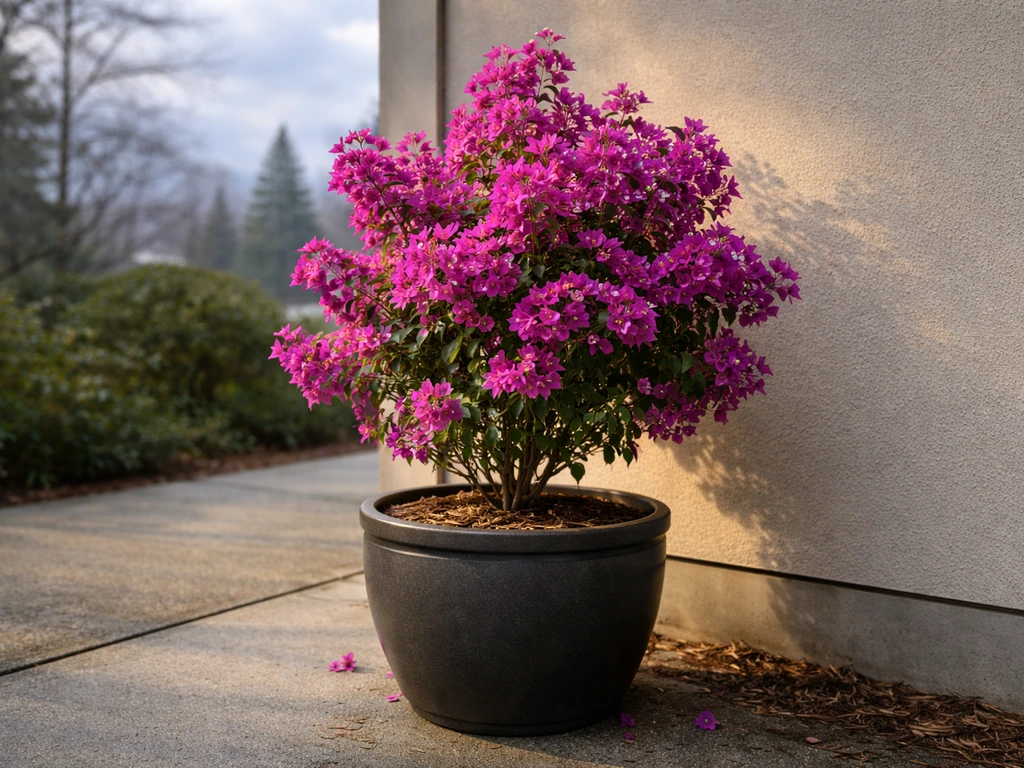
Seattle sits in USDA Hardiness Zone 8b, which sounds promising on paper. Zone 8 isn't exactly Alaska. But bougainvillea is a tropical and subtropical plant that originates from South America and thrives in Zone 9b and warmer. It wants heat, full sun, and winters that don't dip below about 30°F for any sustained stretch. Seattle's winters regularly do exactly that, especially overnight.
The bigger issue isn't just cold, it's the whole seasonal package. Seattle gets about 37 inches of rain per year and averages 7.1 inches of snow (based on NOAA 30-year climate normals for 1991 to 2020). More importantly, the city is famously overcast. Bougainvillea needs intense, direct sun for at least 6 hours a day to bloom reliably. Seattle's gray winters and frequently overcast summers make that a genuine challenge. You can grow the plant, but coaxing those brilliant magenta or orange bracts out of it requires deliberate placement and a little luck with the summer weather.
The average first fall frost in Seattle hits around November 10, and the last spring frost typically lands around March 21 (Almanac.com data for ZIP 98188). That gives you roughly a 7.5-month frost-free growing window, which is actually decent. The issue is that even during summer, temperatures in Seattle rarely get into the 90s for sustained periods, and bougainvillea genuinely loves heat. Warm, Mediterranean-style summers are what make this plant perform at its best.
Washington State feasibility: Puget Sound vs. inland growing conditions
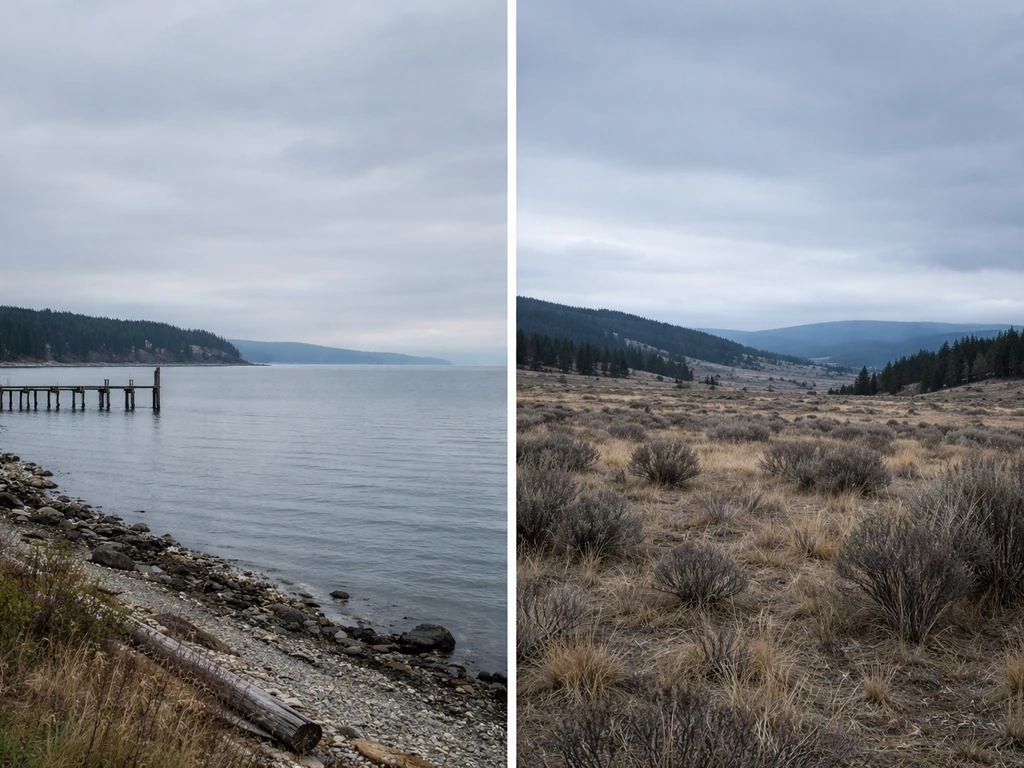
Not all of Washington State plays by the same rules. The Puget Sound lowlands, which include Seattle, Tacoma, Olympia, and Bellingham, are moderated by the Sound itself and the Olympic Mountains to the west. Winters are milder than you'd expect for the latitude, but summers are cooler and cloudier than bougainvillea really wants. You're working against the plant's light and heat requirements more than its cold hardiness in this part of the state.
Eastern Washington is a completely different story. Cities like Yakima, the Tri-Cities (Kennewick, Richland, Pasco), and Walla Walla sit in Zone 7b to 8a and get genuinely hot, sunny summers, but their winters are harsher and more unpredictable. A container-grown bougainvillea can thrive outdoors during the summer in eastern Washington, but it absolutely must come indoors well before the hard freezes that routinely hit that region. The heat advantage in summer is real, but the winter penalty is steeper than in Seattle.
The sweet spots within western Washington for bougainvillea are south-facing urban microclimates, especially in Seattle's warmer neighborhoods like Capitol Hill, Columbia City, and parts of West Seattle. Heat-reflecting walls, brick or concrete patios, and south-facing slopes can push local temperatures several degrees higher than the official readings at Sea-Tac airport. If you have a sunny south wall and a sheltered corner, you're working with better conditions than the averages suggest. It's worth thinking of growing bougainvillea in Oregon as a useful comparison point, since the Willamette Valley shares many of the same maritime climate challenges and opportunities that Seattle gardeners face.
Cold limits and realistic winter survival
Bougainvillea is damaged by frost and killed outright when temperatures drop below about 25°F to 28°F for more than a short period. Even a brief dip to 32°F will cause leaf drop and tip dieback. In Seattle, nighttime lows during December through February frequently hover between 28°F and 38°F. That means an in-ground bougainvillea, even in a protected spot, faces real danger every winter. Some gardeners in Seattle's Zone 8b warmest microclimates have kept in-ground plants alive for multiple years with heavy mulching and frost cloth, but it's a gamble. Losing a plant to one bad winter event after years of care is genuinely discouraging.
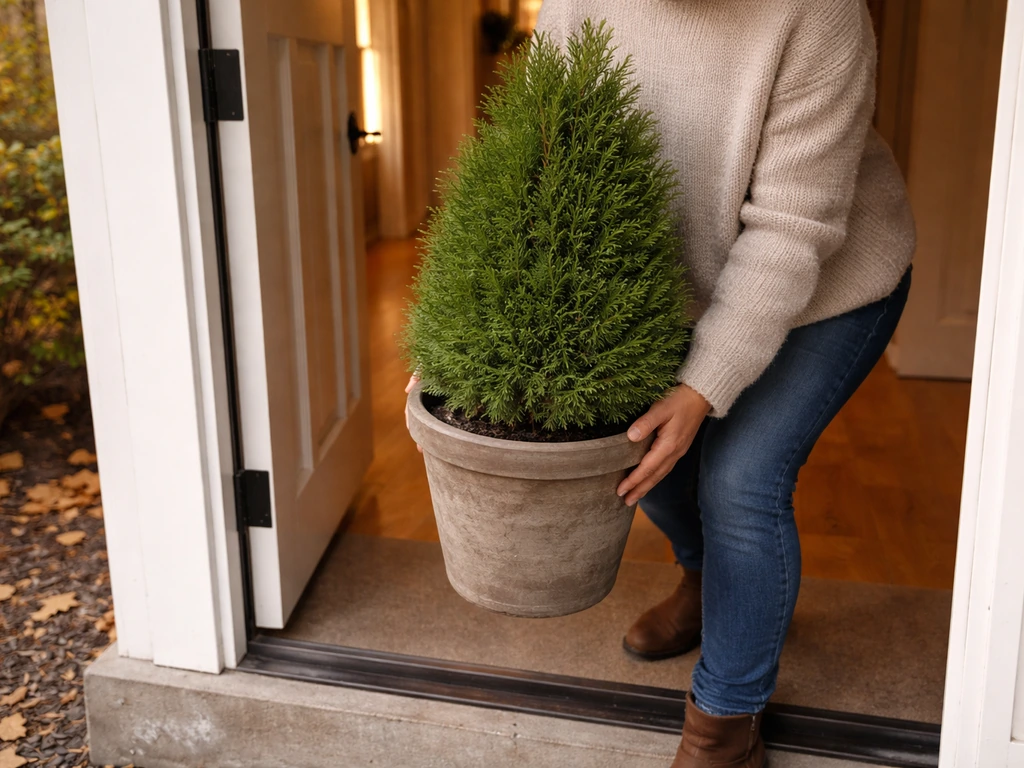
The container strategy solves this problem almost entirely. A containerized bougainvillea that you bring into an unheated garage or basement before November 10 (the average first frost date) sidesteps the survival question. The plant doesn't need warmth indoors, it just needs protection from hard freezes. An attached garage that stays above 28°F is sufficient. The plant will drop most or all of its leaves, go semi-dormant, and basically wait for spring. You're not coddling it, you're just keeping it alive.
For context, this is a similar calculus to what gardeners in colder coastal states face. Bougainvillea grown in Massachusetts follows essentially the same overwintering-in-containers model, where summer display is the goal and indoor storage is the survival strategy. Seattle's winters are actually somewhat milder than those in New England, so if it works there, the container approach is at least as viable here.
Best varieties to try in Seattle and where to buy them
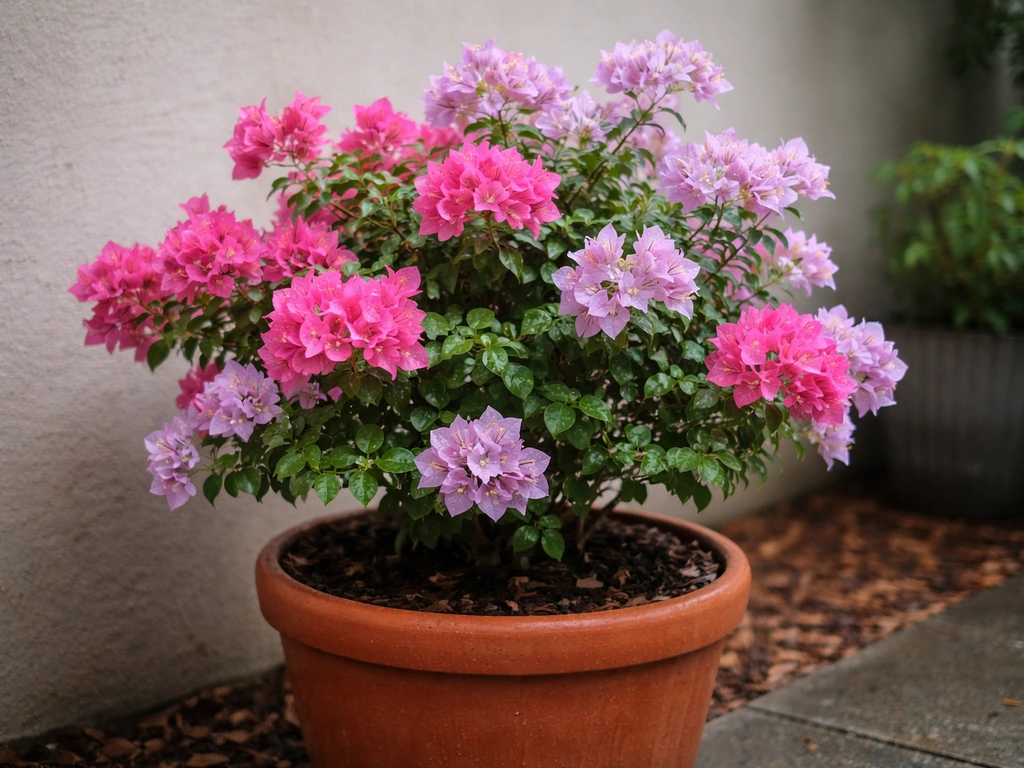
Variety selection matters more than people realize when you're pushing the climate envelope. For Seattle, you want compact varieties that do well in containers and are known to bloom in lower-light or cooler conditions. The following varieties are the ones most often recommended for Pacific Northwest container growing:
- Bambino series (like 'Baby Pink' or 'Blueberry Ice'): compact, container-friendly, and more forgiving of cooler temperatures
- Raspberry Ice: variegated foliage, compact growth habit, and reliable blooming with less heat than full-size varieties
- James Walker: large, magenta-flowered variety that tends to bloom freely even when conditions aren't perfect
- Torch Glow: an upright, column-shaped variety that doesn't need a trellis and does well in large containers
- Miss Alice: thornless, compact, white-bracted, and manageable enough for patio pots
For buying, check local Pacific Northwest nurseries first. Sky Nursery in Shoreline, Swansons Nursery in Crown Hill, and Molbak's in Woodinville are good starting points in the greater Seattle area. They typically carry bougainvillea in 1-gallon and 5-gallon containers starting in late spring, usually May. Buying locally means the plants have already been acclimated to Pacific Northwest conditions. Online specialty nurseries are an option if you want specific varieties, but wait until after the last frost date to receive and plant them.
Planting, placement, light, heat, and the container setup
The single most important decision you'll make is where you put the plant. In Seattle, bougainvillea needs the warmest, sunniest spot you have. That means a south or southwest-facing exposure with as much reflected heat as possible. A south-facing brick wall or a concrete patio that absorbs heat during the day and releases it at night is genuinely valuable. Avoid north-facing spots, shaded areas, or positions exposed to prevailing westerly winds.
For containers, go bigger than you think you need. A 15- to 20-gallon pot gives the roots enough room to establish and supports larger, more floriferous plants. Use a well-draining potting mix, not heavy garden soil. Bougainvillea hates sitting in wet soil, and Seattle's rain makes drainage especially important. Elevate the pot slightly on pot feet or bricks to ensure water drains freely. Terra cotta pots look great but dry out fast and are heavy to move; a large, lightweight resin or fabric grow bag is easier to haul indoors in October.
One thing that surprises people: bougainvillea actually blooms better when it's slightly root-bound and mildly stressed. Don't repot every year. Let it fill the container, and hold back on water during the late summer to stress it into blooming. This is a technique used successfully by gardeners in climates much like ours, including those trying to grow bougainvillea in Michigan, where container culture and careful management are the only realistic paths to summer blooms.
Overwintering step by step
- Stop fertilizing in late August to slow growth and harden the plant before cold hits.
- Reduce watering gradually through September and October.
- Bring the container indoors before the first frost, targeting sometime in late October to be safe given Seattle's average first frost of November 10.
- Place in a cool, frost-free spot: an unheated garage, basement, or enclosed porch that stays above 28°F is fine.
- Expect the plant to drop leaves and look half-dead. This is normal. Do not overwater trying to revive it.
- Water sparingly once a month during winter, just enough to prevent the roots from completely drying out.
- Move the plant back outdoors after the last frost (around March 21), gradually reintroducing it to outdoor light over 1 to 2 weeks to avoid sunburn.
Care basics that actually affect blooming in Seattle
In a warm, sunny climate, bougainvillea almost takes care of itself. In Seattle, you need to be more intentional. Here are the factors that have the biggest impact on whether you actually get blooms rather than just a lot of green leaves:
- Sun is non-negotiable: aim for a minimum of 6 hours of direct sun per day during summer. Less than this and the plant may grow but won't bloom well.
- Fertilize with a low-nitrogen, high-phosphorus fertilizer (like a bloom booster formula) from May through August. Too much nitrogen pushes leaves at the expense of flowers.
- Let the soil dry out between waterings. Consistent moisture actually suppresses blooming. Mild drought stress triggers flower production.
- Prune lightly after each bloom cycle to encourage branching, which produces more flowering tips. Don't do heavy pruning in late summer; you'll cut off next season's bloom potential.
- Avoid moving the pot frequently once the plant is in bloom. Stress from relocation can cause bract drop.
One realistic expectation to set: Seattle bougainvillea will likely produce one or two strong bloom cycles per summer rather than the near-continuous display you'd see in Southern California or the Gulf Coast. Bougainvillea in Georgia, for instance, can bloom almost year-round outdoors. Seattle simply doesn't have the accumulated heat units to match that. But one good bloom cycle in July or August, with those vivid bracts lighting up a patio, is genuinely satisfying and absolutely achievable.
How Seattle compares to other marginal bougainvillea climates
It helps to understand where Seattle sits relative to other challenging climates for bougainvillea. The table below compares key conditions across several states where gardeners face similar or related questions.
| Location | USDA Zone | Summer Heat | Winter Risk | Best Strategy |
|---|---|---|---|---|
| Seattle, WA | 8b | Mild, cloudy | Frost likely below 28°F | Container + indoor overwintering |
| Portland, OR area | 8b–9a | Warmer summers | Similar winter risk | Container or sheltered in-ground |
| Maryland | 6b–8a | Hot, humid summers | Cold winters | Container overwintering essential |
| Pennsylvania | 5b–7a | Warm summers inland | Cold winters | Container overwintering essential |
| Michigan | 5a–6b | Warm summers | Very cold winters | Container only, strict overwintering |
| Georgia | 7b–9a | Hot, long summers | Mild winters in south | In-ground viable in most of state |
| Massachusetts | 5b–7a | Warm summers | Cold winters | Container overwintering only |
The comparison makes clear that Seattle is not uniquely difficult for bougainvillea, it's in a category with other temperate coastal and mid-Atlantic climates where containers are the standard solution. The difference is that Seattle's cooler, cloudier summers add a light challenge on top of the winter cold challenge. Gardeners in Maryland trying to grow bougainvillea deal with harsher winters but get hotter, more reliable summers that make blooming much easier. Seattle gardeners trade that summer heat for milder winters. It's a different set of trade-offs, not an impossible situation.
Similarly, bougainvillea in Pennsylvania follows the same container-only logic, with gardeners relying on hot summer days to drive bloom production before cold returns. And if you're curious how a genuinely cold and wet climate handles the question, the experience of growing bougainvillea in Scotland shows just how far container culture and conservatory growing can extend this plant's range beyond its tropical origins.
Make your decision today: a simple yes/no framework
Here's how to decide whether bougainvillea is worth attempting in your specific situation. Answer these questions honestly:
- Do you have a south or southwest-facing spot that gets at least 6 hours of direct sun in summer? If yes, proceed. If no, skip bougainvillea.
- Do you have space indoors (garage, basement, or enclosed porch) that stays above 28°F all winter and can fit a large container? If yes, proceed. If no, this plant isn't practical for you.
- Are you willing to water carefully, fertilize with a bloom booster, and accept that you might get one good bloom cycle per summer rather than a continuous display? If yes, this is a reasonable plant to try.
- Are you hoping for a low-maintenance, set-it-and-forget-it outdoor plant? Then bougainvillea is the wrong choice for Seattle. Consider hardy fuchsias, climbing roses, or Chilean glory flower instead.
If you answered yes to the first three questions, here's a simple test plan: buy one compact variety (Raspberry Ice or a Bambino series plant) in a 5-gallon container this May. Place it in your sunniest spot. Follow the fertilizing and watering discipline described above. Track whether it blooms by late July. If it does, you have a viable setup and can scale up. If it produces only leaves despite full sun, your location probably doesn't have enough accumulated heat, and you can make that call after just one season without a major investment.
The bottom line: bougainvillea in Seattle is a container plant, managed actively, not a landscape plant you plant and walk away from. But for gardeners who want that dramatic tropical color on a summer patio, the effort is very manageable, and the payoff when it works is real. Start with one plant, treat it like a slightly demanding but rewarding houseplant that summers outdoors, and you'll have a clear answer by end of July.
FAQ
What’s the latest I can put bougainvillea outdoors in Seattle and still expect a good summer display?
Aim to keep it out only after nights are consistently above about 50°F, then move it back indoors before the first hard freeze window. If you set it outside too early, cold snaps can cause prolonged leaf drop, which delays blooming even if the plant later gets enough sun.
Do I need to water bougainvillea in Seattle during the winter when it’s inside?
Yes, but lightly. After leaf drop, water only enough to keep the potting mix from fully drying out. Overwatering is the main winter mistake indoors, because cool temperatures reduce how fast the plant uses water and increase rot risk.
Should I prune bougainvillea in Seattle to make it bloom more?
Prune lightly after the strongest bloom cycle, and avoid heavy pruning right before overwintering. A balanced approach is to remove weak, leggy growth in late summer, then leave more structure intact so the plant can regrow once warmth returns.
Why does my bougainvillea produce lots of green leaves but few or no bracts in Seattle?
The most common causes are insufficient intense sun (less than about 6 hours of direct light), too much fertilizer, or staying overly lush by watering heavily late in summer. Try giving it the sunniest south-facing spot you have, reduce nitrogen-heavy feeding, and allow mild drying or slight root-bound conditions before the bloom window.
Can I keep bougainvillea in the same pot for many years without repotting in Seattle?
Often yes, as long as the container drains well and the plant isn’t severely root-bound to the point of drying out instantly. Instead of yearly repotting, you can refresh the top few inches of potting mix occasionally, but avoid disturbing the root mass right before winter storage.
Is a grow bag better than a rigid pot for overwintering in Seattle?
A large grow bag can be easier to lift and move indoors, and it often improves drainage. The trade-off is faster drying in summer, so you may need more frequent checks when it’s outside in hot spells, even though Seattle generally stays cooler than bougainvillea’s ideal climate.
How cold is too cold for Seattle bougainvillea, even in a sheltered microclimate?
Leaf drop and dieback can start near the low 30s, but damage can worsen quickly if temperatures linger in the high 20s. If your location is exposed to night radiational cooling or wind, plan your indoors transition earlier than the average first frost date.
What temperature should I keep bougainvillea at indoors during winter storage?
You don’t need a tropical greenhouse temperature. A cool, unheated garage or basement that stays above roughly 28°F is typically enough to prevent killing, and letting it go semi-dormant reduces water needs. Avoid a warm, brightly lit indoor spot during storage unless you can provide strong light.
Should I fertilize bougainvillea in Seattle, and if so, when?
Use a fertilizer schedule that prioritizes bloom over vegetative growth. A practical approach is to start feeding when it’s actively growing in spring, then taper nitrogen as summer progresses, and avoid heavy late-season feeding because it can encourage tender growth before overwintering.
How can I tell in late spring whether my overwintered bougainvillea survived?
Look for new shoots at branch tips and along nodes rather than judging only by remaining leaf color. If there’s no sign of growth after you move it to a warm, sunny spot and maintain consistent watering for a few weeks, the plant may be too damaged to recover, but give it time because leaf-out can lag in cooler spring weather.