
Bougainvillea cannot survive Michigan winters outdoors. Michigan sits in USDA hardiness zones 4a through 6b, and bougainvillea needs zone 9 or warmer to stay alive year-round outside. Even in the mildest corners of the state, like the southwest Lake Michigan shoreline, winter temperatures routinely drop to -10°F or colder, and bougainvillea dies when temperatures fall below about 32°F for extended periods. That said, you absolutely can grow a beautiful, blooming bougainvillea in Michigan. In Oregon, you can also consider bougainvillea, but success depends on meeting its warmth and winter-free conditions grow a beautiful, blooming bougainvillea. You just have to grow it in a container and bring it inside before the first frost. That's the whole game plan, and it works really well if you're set up for it.
Can Bougainvillea Grow in Michigan? Zones, Winter Care
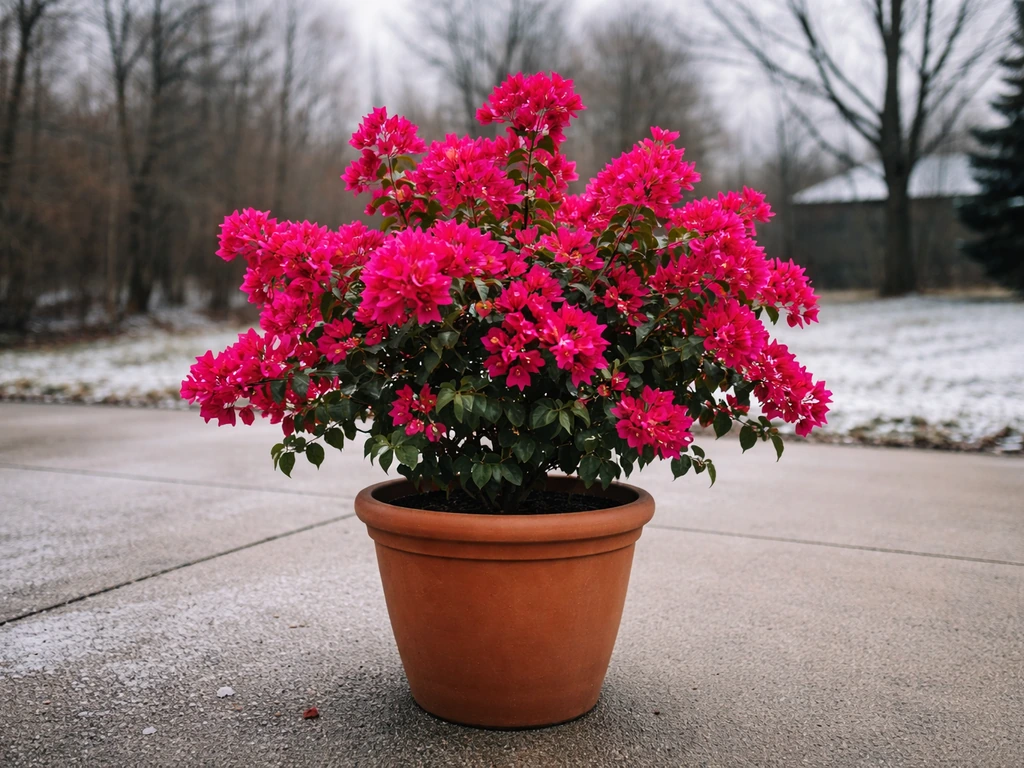
Michigan's climate is genuinely tough for bougainvillea
Michigan ranges from zone 4a in the Upper Peninsula (think Marquette, which sits around zone 5b) down to zone 6b in parts of the southwest Lower Peninsula near Lake Michigan. Lansing and Grand Rapids are solidly zone 6a, where the average annual extreme minimum temperature runs between -10°F and -5°F. None of that is survivable for a tropical plant like bougainvillea. For comparison, bougainvillea thrives outdoors year-round in Georgia and the deep South, where winters rarely push below freezing for more than a night or two. Bougainvillea can grow in Georgia because Georgia winters are mild enough for it to survive and bloom outdoors thrive outdoors year-round in Georgia. Michigan is a completely different story, winters here are long, cold, and often brutal. If you're wondering can bougainvillea grow in Scotland, the answer depends on how you handle winter temperatures and whether you can keep it as a container plant.
The other challenge is the growing season. Michigan's frost-free window in most of the Lower Peninsula runs roughly from mid-May to mid-October, about five months. In the Upper Peninsula, it's even shorter. Bougainvillea blooms best with consistent warmth and long periods of bright sun, so you're working with a compressed window even in the warmest part of the state. That's still enough time to get real color out of a bougainvillea if you manage it right, but you won't have the sprawling, year-round flowering vine you'd see in tropical climates.
Can you grow it outdoors in Michigan at all?
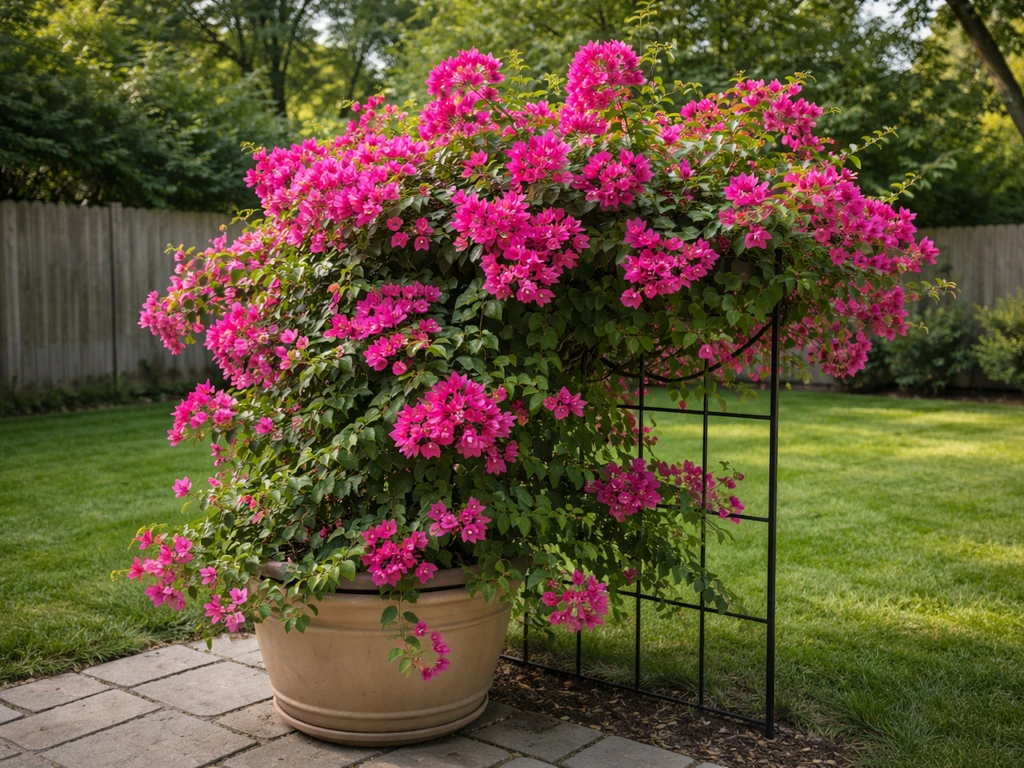
Yes, but only as a seasonal plant. You can put bougainvillea outside after your last frost date, typically late May in most of the Lower Peninsula, and closer to early June in northern areas and the UP, and it will thrive outdoors through the summer. By late September or early October, before your first fall frost, it needs to come back inside. Think of it the same way you'd treat a tropical hibiscus or a potted citrus tree: it's an outdoor guest for the warm months, not a permanent resident.
During those outdoor months, bougainvillea can genuinely put on a show. A healthy container plant in full sun will produce vivid color from summer through early fall. If you're in the southwest corner of the Lower Peninsula, close to Lake Michigan, you get a slightly longer season and a bit more warmth, which helps flowering. Further north or in the UP, your window is shorter and the summers are cooler, so expect less prolific blooming.
Container growing is the right approach for Michigan
Since bougainvillea has to move indoors each winter, containers aren't just convenient, they're essential. Start with a container that's large enough to support real root development but still manageable to move. A 12- to 16-inch pot is a practical starting point. Go too large and moving it becomes a two-person project every year; go too small and the plant stays stunted. Make sure the pot has excellent drainage, bougainvillea hates sitting in wet soil and will drop leaves and decline fast if roots stay soggy.
Use a well-draining, slightly sandy potting mix. Terracotta pots work well because they breathe and dry out faster, which suits bougainvillea's preferences. Plastic pots are lighter, which matters when you're lugging it through the door in October. There's no perfect answer, pick what you can actually manage physically, because the annual move is non-negotiable in Michigan.
One thing that works well: place the container against a south-facing wall or on a sunny patio where it gets reflected heat. That extra warmth from masonry or brick can meaningfully extend your blooming period and encourage more color before you have to bring it in.
Overwintering bougainvillea in Michigan, what actually works
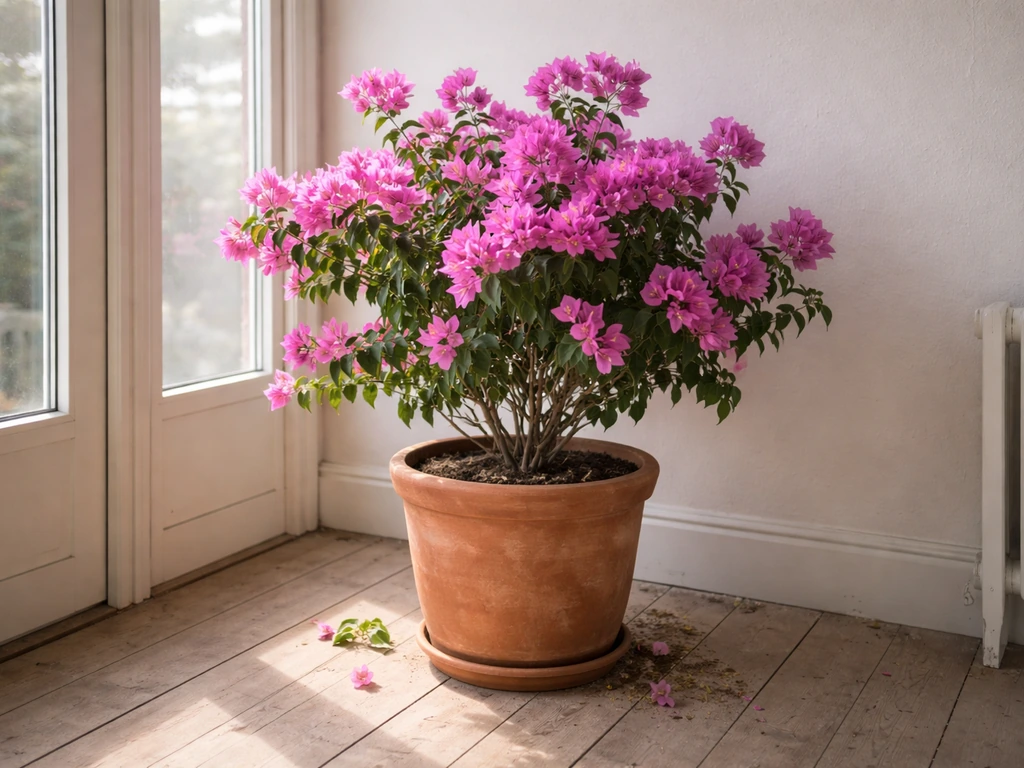
This is where most Michigan gardeners either succeed or lose the plant. Bougainvillea doesn't need to grow much indoors over winter, it just needs to survive. The goal is to keep it alive in a semi-dormant state, not to keep it thriving and flowering through February.
Bring it inside before temperatures drop below 50°F at night, which in most of Michigan means early to mid-October. Don't wait for a frost warning, by then you're cutting it close. Once inside, place it in the brightest spot you have. A south-facing window is ideal; a heated sunroom or a spot right in front of sliding glass doors works well. Bougainvillea will drop many of its leaves indoors, that's normal and not a death sentence. It's going dormant.
Keep indoor temperatures between 50°F and 60°F if possible. Cooler is actually better for dormancy, so an unheated garage that stays above freezing (above 40°F), combined with a grow light, can work. Gardenia notes bougainvillea has no true frost tolerance and enters survival mode as temperatures approach about 40°F / 4°C. Water very sparingly during dormancy, maybe once every two to three weeks, just enough to keep the roots from completely drying out. Overwatering in winter is a more common killer than underwatering. Do not fertilize until spring.
In late March or April, as days get longer, you can move it to a warmer, brighter spot inside and start watering more regularly. That's when it will start pushing new growth. Then, once outdoor temps are reliably above 50°F at night, usually mid- to late May in most of Michigan, it can go back outside.
| Month | Where it should be | What to do |
|---|---|---|
| May (after last frost) | Outdoors | Move outside, resume fertilizing, full sun |
| June–September | Outdoors | Full sun, regular watering, bloom season |
| Early–mid October | Move indoors before frost | Reduce water, stop fertilizing |
| October–March | Indoors (bright, cool spot) | Minimal water, dormancy, no fertilizer |
| Late March–April | Indoors (warmer, brighter) | Increase water, watch for new growth |
| Mid-May | Back outdoors | Repeat cycle |
Sun and placement: bougainvillea needs a lot of light to bloom in Michigan
Bougainvillea is not a shade plant. It needs at least six hours of direct sun daily to bloom well, and eight hours is better. In Michigan, where summers are genuinely sunny but shorter than in southern states, placement really matters. Put it in your sunniest spot, period. A south or west-facing wall is ideal. Avoid spots shaded by trees or the house during the afternoon, because afternoon sun is when Michigan really heats up and that's when bougainvillea blooms best.
Indoors in winter, light is the limiting factor. A south-facing window gives you the best natural light, but Michigan's overcast winters mean that's often not enough to keep the plant healthy and pushing new growth. A supplemental grow light placed above the plant for 12 to 14 hours a day makes a real difference. If you're serious about overwintering successfully year after year, a basic LED grow light is worth the small investment.
Is it worth growing bougainvillea in Michigan? Here's how to decide
Bougainvillea is genuinely beautiful, and Michigan gardeners can absolutely enjoy it. If you also wonder about Massachusetts, the key issue will be whether you can protect it from winter cold, since bougainvillea is not reliably hardy there grow bougainvillea in Massachusetts. But it asks more of you than a hardy perennial. Before you buy one, run through this checklist honestly.
- Do you have a spot that gets 6-plus hours of direct sun outdoors from May through October? If not, it won't bloom much.
- Do you have indoor space near a very bright window or a grow light where the plant can live October through May without being in the way?
- Can you physically move a 12- to 16-inch container plant indoors every fall? If it's too heavy, plan to either get help or choose a smaller pot.
- Are you in the Lower Peninsula with your last frost before June? The UP and northern Michigan have a tight window that makes this harder.
- Are you looking for year-round color outdoors? Bougainvillea can't give you that in Michigan — it's a seasonal performer here.
- Are you okay with leaf drop and a semi-dormant-looking plant living in your house for five or six months each year?
If you said yes to most of those, you'll likely enjoy growing bougainvillea in Michigan. If the indoor space or the annual move is a dealbreaker, this might not be the right plant for your situation. Can you grow bougainvillea in Pennsylvania? The short answer is that it depends on your winter temperatures and whether you can keep it container-grown and brought indoors before cold weather. In that case, a hardy perennial vine like trumpet vine or sweet autumn clematis will give you vigorous summer flowering in Michigan without any of the winter management. Or consider annual trailing plants like calibrachoa or petunias for pots, a fraction of the hassle and still colorful.
If you're in a warmer part of the state, like Berrien County or anywhere along the southwest Lake Michigan shore, you're in the best possible Michigan microclimate for bougainvillea, still container-only, but your season is longer and your summers are warmer. If you're in Lansing, Grand Rapids, or Detroit, you're in the middle of the feasibility range, totally doable with the right setup. In Marquette or anywhere in the UP, be realistic: the season is short and cool, and bougainvillea's bloom performance will be limited even in a good summer.
Michigan's challenge is meaningfully different from states like Maryland or Pennsylvania, where winters are milder and the season is longer, or from somewhere like Seattle, where mild temperatures make overwintering easier even if summers are cloudier. If you're wondering can bougainvillea grow in Seattle, the milder winters can make it more manageable than in colder states. In Michigan, you're working with real cold winters and a shorter frost-free window, which makes the commitment higher. But Michigan gardeners pull it off every year, you just have to go in with clear expectations and a solid plan for the container and winter care.
Your next steps if you want to try it
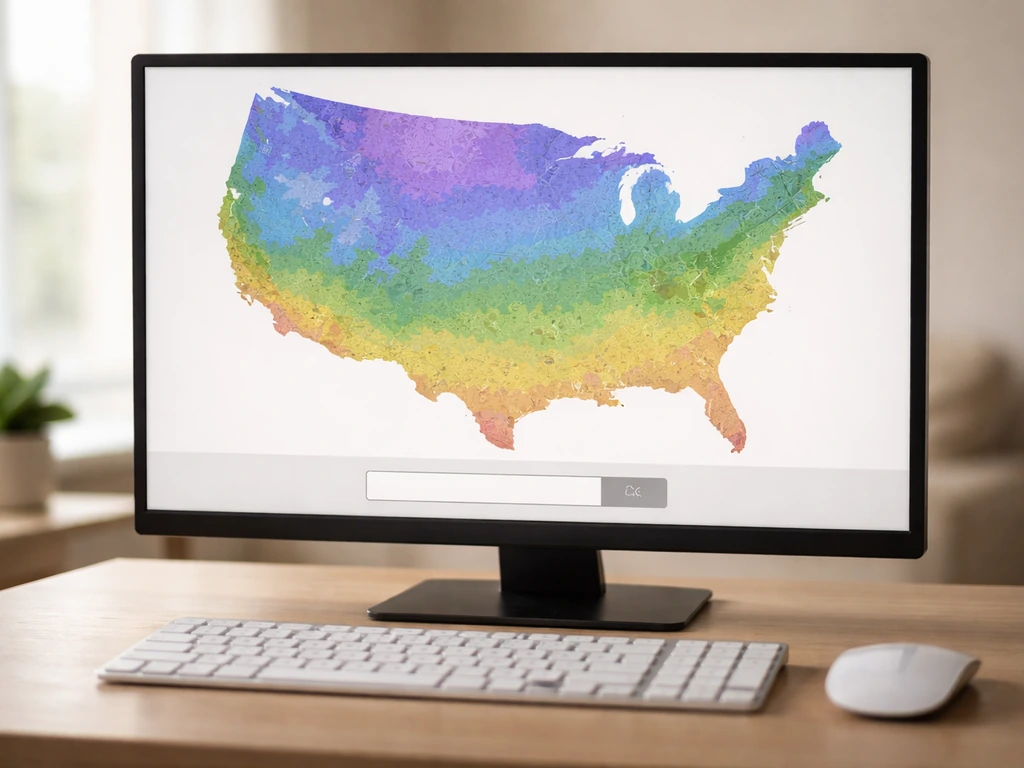
- Find your exact USDA hardiness zone using the 2023 USDA Plant Hardiness Zone Map at the USDA website — just enter your ZIP code. This tells you your last and first frost dates, which drives your outdoor schedule.
- Buy a healthy, established bougainvillea from a garden center in late May, after your last frost date. Choose a variety bred for container growing — 'Barbara Karst' (red) and 'Purple Queen' are popular and manageable sizes.
- Plant it in a 12- to 16-inch container with well-draining potting mix and move it immediately to your sunniest outdoor spot.
- Set a calendar reminder for October 1st to start watching nighttime temperatures and bring it in before temps drop below 50°F.
- Identify your indoor overwintering spot now — before you buy the plant. Make sure you have either a very bright south-facing window or a grow light ready.
- Water sparingly all winter and resist the urge to fertilize until you see new growth in spring.
FAQ
Can bougainvillea survive Michigan outdoors if I cover it with a tarp or frost cloth?
No, insulation alone usually will not work in Michigan because winter cold lasts too long. The plant needs to avoid extended exposure to freezing temperatures, so container overwintering indoors is the reliable approach.
What is the earliest safe time to move bougainvillea outdoors in spring?
Use the nighttime temperature, not just the last frost date. Bring it out when nights stay consistently above 50°F, which is typically mid to late May in many areas of Michigan.
How do I know my bougainvillea is actually going dormant indoors, not dying?
Leaf drop is common when light and temperature drop indoors. Dormancy looks like minimal new growth, fewer leaves, and the stems staying firm, while death usually shows limp stems, blackening, or a sour smell from wet soil.
Should I prune bougainvillea before moving it inside for winter?
Light pruning is okay, but avoid major cuts right before overwintering. Big pruning late in the season can remove stored energy just when you need the plant to conserve reserves during dormancy.
What pot size is best if I want something easy to move every year?
A practical range is about 12 to 16 inches. Much larger pots are heavy and difficult to lift, while very small pots can restrict root growth and reduce flowering even if winter survival is decent.
How often should I water bougainvillea during Michigan winter dormancy?
Water sparingly, roughly once every two to three weeks, only enough to keep roots from completely drying. If the pot stays heavy or wet for days, cut back, because overwatering is a common failure mode indoors.
Can I keep bougainvillea in my home year-round at warm temperatures?
It can live, but it often performs poorly because it needs a cooler, drier rest period to conserve energy. The goal in Michigan is survival through winter, not continuous flowering indoors.
Do I need a grow light if I have a south-facing window?
A south-facing window helps, but Michigan winters are often too dim for reliable growth. A supplemental LED grow light running 12 to 14 hours daily can prevent stalling and excessive leaf loss, especially in the UP or during very cloudy stretches.
Why does my bougainvillea drop lots of leaves after I bring it indoors?
The transition shock is normal (temperature drop, lower light, and reduced airflow). It usually rebounds only after you return it to brighter conditions in spring, so wait to fertilize or aggressively change care until late winter to early spring.
What should I do if my bougainvillea gets overwatered in winter?
Let the soil dry slightly between checks and ensure the pot drains freely. If the mix stays soggy or you see persistent wilting with wet soil, consider repotting into a drier, faster-draining mix when conditions allow, rather than continuing to water lightly on a schedule.
Can I propagate bougainvillea from my Michigan plant while it is indoors?
Yes, but timing matters. Wait until the plant is starting active growth in late March or April, then take cuttings and provide warmth and strong light so the cutting can root before outdoor temperatures warm up.
Is bougainvillea a good choice for a balcony or sunroom in Michigan?
A sunroom can work if it stays bright and you can manage winter temperatures and watering. If the sunroom regularly falls below freezing, you still need an overwinter plan that protects the roots from sustained cold, usually the coolest-but-not-freezing approach described for garages or similar spaces.