
Bougainvillea can grow in Georgia, but whether it survives and blooms reliably depends entirely on where in Georgia you live. can bougainvillea grow in oregon. Along the coast and in the far south, you're in real bougainvillea territory. In Atlanta or the northern mountains, you're fighting the plant every winter, and most years you'll lose. The honest answer is: southern Georgia yes, central Georgia maybe with effort, northern Georgia probably not as an outdoor perennial.
Can Bougainvillea Grow in Georgia Outdoor? Zones and Tips
Marcus Hartwell
25 Apr 2026
In Maryland, you should treat bougainvillea as a container plant that you overwinter indoors, since outdoor winter lows are usually too cold can bougainvillea grow in maryland. Because bougainvillea is a warm-climate plant, you will typically need a container and indoor overwintering for cooler climates like Scotland, similar to how people handle it in other cold regions can bougainvillea grow in scotland.
In Massachusetts, you will almost certainly need to grow bougainvillea in a container and overwinter it indoors can bougainvillea grow in massachusetts.
Georgia's climate and hardiness zones: the cold numbers that matter
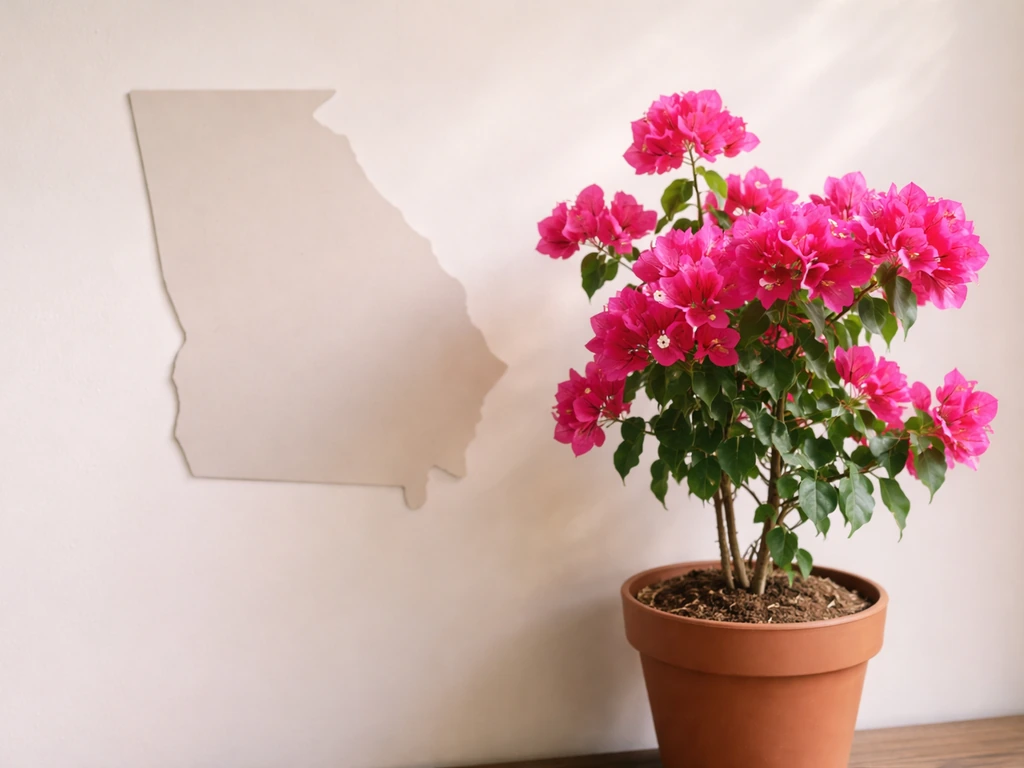
Bougainvillea is fundamentally a warm-climate plant. It thrives in USDA Zone 10, survives in Zone 9 if protected, and starts to struggle seriously below that. The key threshold is cold tolerance: bougainvillea cannot handle temperatures colder than 30°F without damage, and a hard freeze will kill it to the ground. Anything below 18 to 20°F and you're looking at root kill, not just dieback.
Georgia spans a wide range of hardiness zones. The northern mountains around Blue Ridge and Blairsville dip into Zone 7a, where winter lows can reach 0 to 5°F. Atlanta and the piedmont sit in Zone 7b to 8a, with lows typically in the 10 to 20°F range. Atlanta.com reports that Atlanta sits in blank" rel="noopener noreferrer">USDA Hardiness Zone 7b to 8a depending on the exact location. blank" rel="noopener noreferrer">Central Georgia cities like Macon, which can see freezing temperatures from mid-October through mid-April in an average year, are in Zone 8a to 8b. The sweet spot for bougainvillea starts in Zone 9a, which covers Savannah and Valdosta, where average winter minimums run around 20 to 25°F and hard freezes are infrequent rather than routine.
It's worth understanding what hardiness zones actually measure. They reflect the average annual extreme minimum winter temperature, meaning they tell you about cold survival potential, not how well a plant will perform or bloom. Bougainvillea in Zone 9 might technically survive a mild winter but still flower poorly if it gets too many cold nights in a row.
Coastal vs inland Georgia: where bougainvillea actually has a chance
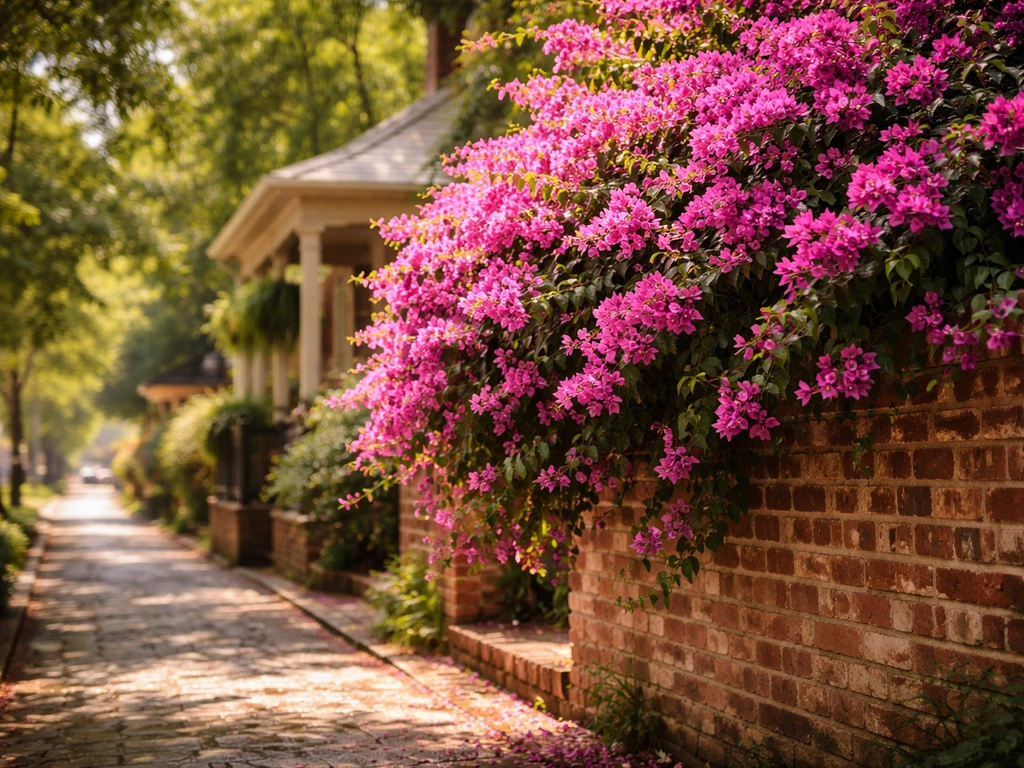
The Georgia coast is genuinely the best place to grow bougainvillea outdoors in the state. Savannah, Brunswick, and the Golden Isles sit in Zone 9a, and the maritime influence keeps hard freezes rare and short-lived. In a typical winter, you might see one or two nights dipping into the mid-20s. Bougainvillea planted in a sheltered, south-facing spot near a wall or fence can often pull through those events with some frost cloth protection. Savannah gardeners do grow bougainvillea as a returning perennial, though most treat it as something that needs a little help in winter rather than completely ignoring the cold.
Valdosta in the far south is similar: Zone 9a conditions mean bougainvillea has a fighting chance in the ground, especially against a south-facing wall that absorbs daytime heat and re-radiates it overnight. As you move inland and north toward Macon, the equation shifts. Macon is Zone 8a, and while winters aren't brutal by northern standards, the combination of occasional cold snaps and a longer window of freezing temperatures makes it hard for bougainvillea to establish reliable roots before winter hits again. You can grow it there, but you'll likely see significant dieback most winters.
Atlanta and north Georgia are genuinely too cold for bougainvillea as a permanent landscape plant. If you're asking whether bougainvillea can grow in Michigan, treat it as container-only because winter lows are typically too cold for outdoor survival. If you're wondering can bougainvillea grow in Seattle, the short answer is that it will be difficult outdoors because the winters are too cool, so you would need a container and indoor overwintering.
If you're wondering whether bougainvillea can grow in Seattle, the short answer is that it will be difficult outdoors because the winters are too cool, so you would need a container and indoor overwintering. can bougainvillea grow in Seattle can bougainvillea grow in oregon. The Zone 7b minimums in Atlanta mean winter nights can reach 5 to 10°F in a cold year, which will outright kill most bougainvillea even with protection. In Pennsylvania, you will usually need to grow bougainvillea in a container and overwinter it indoors, because winters are too cold for reliable outdoor survival can bougainvillea grow in pennsylvania.
If you live north of Macon and want to try bougainvillea, containers are the only realistic long-term strategy. Can bougainvillea grow in Maryland? It usually means container growing with indoor overwintering or heavy winter protection, not an outdoor perennial bougainvillea can grow in Maryland. In Pennsylvania, bougainvillea is generally container-only, with overwintering indoors needed to protect it from cold winters containers are the only realistic long-term strategy.
How to make it work if you're in a borderline zone
Site selection and microclimate
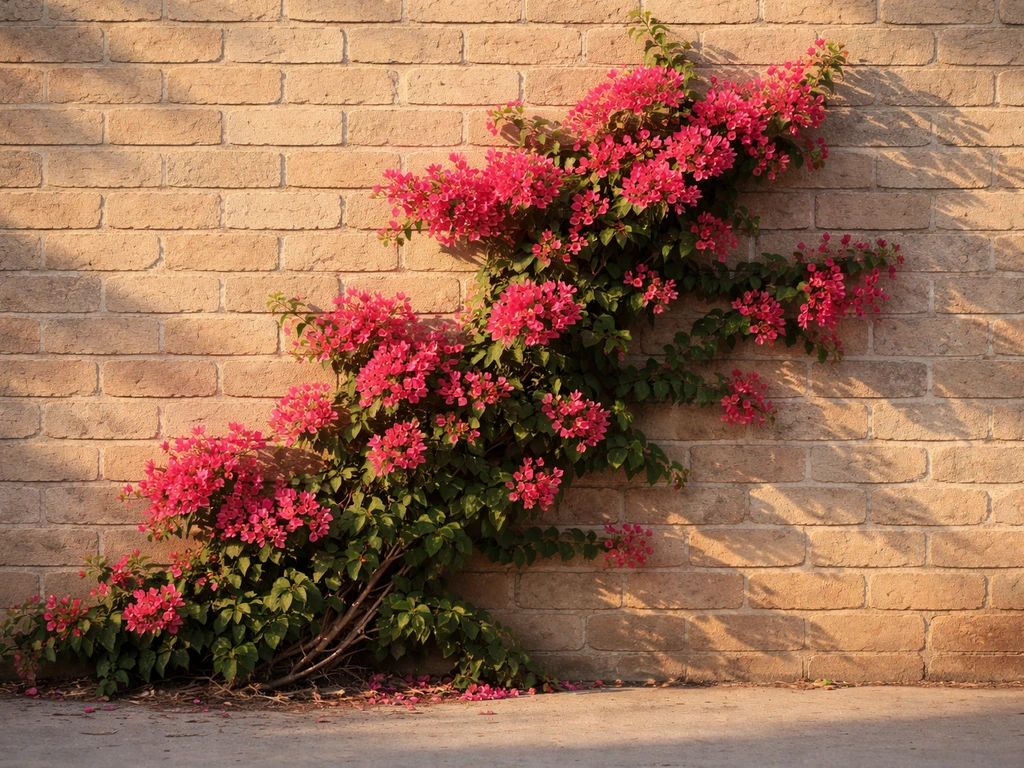
If you're in central Georgia and determined to try bougainvillea in the ground, microclimate is everything. Plant against a south or west-facing masonry wall, which absorbs heat during the day and keeps the immediate area a few degrees warmer at night. Avoid frost pockets, which are low-lying spots where cold air settles. Well-drained soil is non-negotiable: bougainvillea roots sitting in wet, cold soil through winter are much more likely to rot and die than roots in fast-draining soil. Aim for a soil pH just above 6.0 and full sun exposure, because no shade at any time of day is a firm requirement for good blooming.
Container growing: the most reliable option for Zone 8 and colder
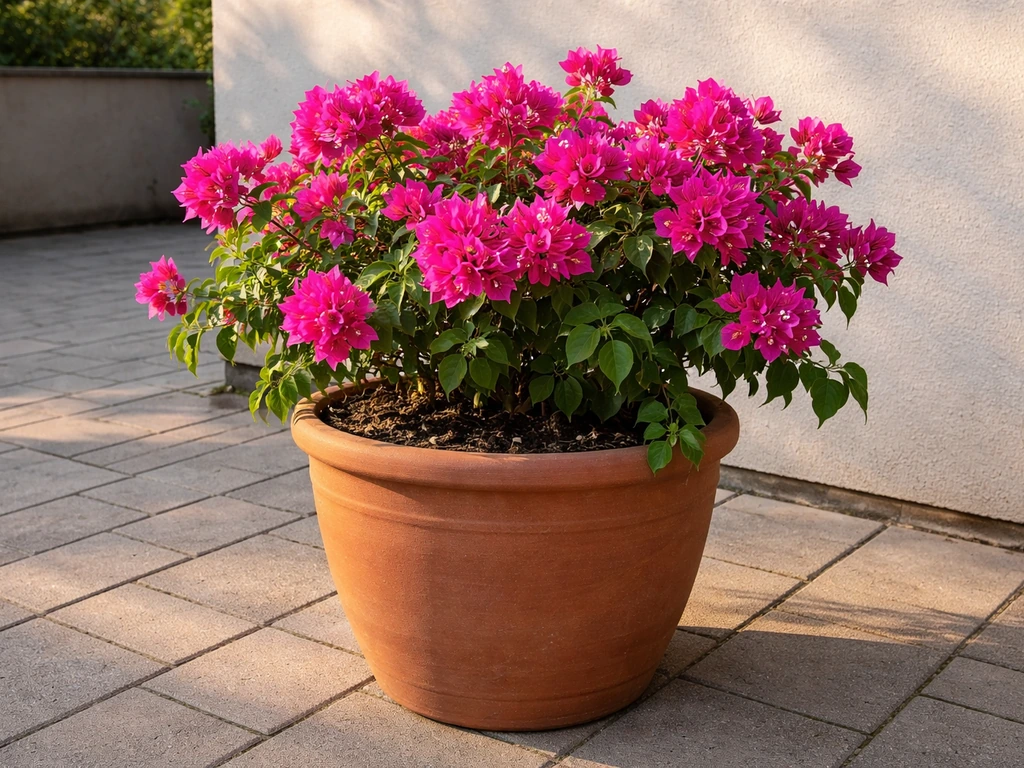
Growing bougainvillea in a large container gives you control that in-ground planting simply can't offer. In Atlanta or Macon, you can put a container bougainvillea outdoors from late April through October, letting it enjoy the heat and sun that drives summer blooming. Then, before the first frost, you bring it inside to a bright, cool but frost-free spot, like an attached garage with a south-facing window or a sunroom. The plant will likely drop leaves and go semi-dormant, which is fine. Keep the soil barely moist through winter and resist the urge to fertilize. Move it back outside once nighttime temperatures stay consistently above 40°F.
Overwintering in-ground plants in Zone 9
For Savannah and coastal gardeners with bougainvillea in the ground, the main overwintering tool is frost cloth or burlap thrown over the plant when temperatures are forecast to drop below 32°F. Frost cloth protects the above-ground structure from frost damage but won't save a plant through a prolonged hard freeze below 20°F. Mulching heavily around the root zone, 4 to 6 inches of organic mulch, helps insulate the roots even if the top growth dies back. As long as the roots survive, the plant will usually resprout in spring. Prune dead or frost-damaged growth in late winter to early spring once new growth begins to show.
What about Tennessee? Comparing to Georgia
Tennessee is tougher on bougainvillea than most of Georgia. Nashville sits in Zone 7b, the same as Atlanta, and has recorded all-time lows of negative 17°F. Memphis is slightly warmer but has hit negative 13°F. Knoxville is also Zone 7b.
Across the state, Tennessee winters are more consistently cold than even inland Georgia, and bougainvillea has no realistic chance of surviving outdoors as a perennial anywhere in Tennessee. Container growing is the only workable approach for Tennessee gardeners who want bougainvillea, and the overwintering window indoors will be longer (typically November through April) compared to coastal Georgia.
If you're comparing notes with a friend in Tennessee versus southern Georgia, the gap in feasibility is significant: coastal Georgia is genuinely hospitable, while Tennessee is container-only territory, similar to the challenges gardeners face in colder states further north.
Why your bougainvillea won't bloom (even if it survives)
Survival and blooming are two different things, and this is where a lot of Georgia gardeners get frustrated. A bougainvillea that makes it through winter in Macon might put out decent summer color but never produce the spectacular floral show you see in Florida or coastal California. Here's why that happens and how to fix it.
- Too much shade: Bougainvillea requires full sun all day. Even partial shade, like a few hours in the afternoon, suppresses blooming dramatically. Plant it where nothing casts a shadow on it.
- Too much water or fertilizer: Overwatering and heavy nitrogen feeding push leafy green growth at the expense of flowers. Let the soil dry out between waterings and go easy on fertilizer.
- Cold stress without full recovery: A plant that gets hit hard in winter spends spring energy on regrowing stems rather than flowering. In borderline zones, expect the bloom season to start later and run shorter.
- Wrong pruning timing: Pruning at the wrong time removes the growth that would have flowered. Prune in late winter or early spring after frost risk passes, not in fall.
- Poor drainage: Consistently wet roots slow the plant down and can cause root rot, which shows up as yellowing leaves and poor vigor, not as the explosion of color you're hoping for.
Before you buy: a quick decision checklist
Run through these questions before you head to the garden center. They'll tell you quickly whether bougainvillea is a realistic choice for your specific situation.
- Look up your exact USDA hardiness zone using the official USDA Plant Hardiness Zone Map tool. Zone 9a or warmer: you can try in-ground planting. Zone 8: plan for significant dieback and consider containers. Zone 7 or colder: containers only.
- Check whether you have a full-sun location available. If your best spot gets afternoon shade, bougainvillea will disappoint you regardless of zone. Pick a different plant.
- Assess your drainage. Does water pool in that bed after heavy rain? If yes, amend heavily or build a raised bed before planting, or choose a container instead.
- Do you have a frost-free indoor space for a container if needed? A garage, sunroom, or bright enclosed porch that stays above freezing is the minimum requirement for overwintering containers in Zone 8 and colder.
- Are you prepared to monitor forecasts and cover the plant when temperatures are expected to drop below 32°F? In Zone 9a, this means a few nights a year. In Zone 8, it could be 20 or more nights. Be honest about whether you'll actually do this.
- If the answers to the above reveal that bougainvillea is a poor fit, consider heat-loving alternatives that handle Georgia winters better: Confederate jasmine, loropetalum, or native coral honeysuckle all provide color without the cold-tender headaches.
| Location | USDA Zone | Bougainvillea Viability | Best Approach |
|---|---|---|---|
| Savannah / Brunswick | 9a | Good chance outdoors | In-ground with frost cloth protection on cold nights |
| Valdosta | 9a | Good chance outdoors | In-ground against south-facing wall, mulch roots in winter |
| Macon | 8a | Risky in-ground, likely dieback | Large container moved indoors before frost |
| Atlanta | 7b | Too cold for in-ground | Container only, long indoor overwintering period |
| North Georgia mountains | 7a | Not feasible outdoors | Container only or choose a different plant |
| Nashville / Knoxville, TN | 7b | Too cold for in-ground | Container only, same as Atlanta or colder |
FAQ
What is the biggest factor for can bougainvillea grow in Georgia outdoors, cold or heat?
Cold is the make-or-break factor in Georgia. Even if summers are hot enough for flowering, a hard freeze (around 30°F or colder) can damage or kill the plant, so microclimate and protection plans matter more than summer performance.
If I’m in Atlanta or North Georgia, can bougainvillea survive outdoors one winter with protection?
It might survive in a few unusually mild winters, but you should assume it will not be a reliable outdoor perennial. Use protection for temporary setbacks, not as a guarantee, because repeated cold nights and occasional deep freezes can still wipe out roots.
Does bougainvillea need frost cloth in coastal Georgia, or can I just mulch?
Mulch helps insulate roots, but frost cloth (or burlap) is still a good idea when forecasts call for temperatures dipping near or below freezing. Frost cloth mainly protects the top growth, it will not prevent root damage during prolonged hard freezes below about 20°F.
In central Georgia (like Macon), what’s the best way to lower the risk if I plant in the ground?
Create a warmer microclimate and reduce winter wet. Plant against a south or west-facing masonry wall, choose a non-low-lying spot to avoid frost pockets, and make drainage excellent so the roots are not sitting in cold, wet soil.
What pot size works best if I want to keep bougainvillea in a container in Georgia?
Use a large container to stabilize moisture and temperature swings, but ensure drainage is excellent. Larger pots usually overwinter more steadily than small ones, which helps the plant hold onto roots and recover faster in spring.
When should I move a container bougainvillea inside in Georgia?
Base timing on first frost risk rather than calendar dates. Bring it in before the first frost, then keep it in a bright, cool but frost-free location, where it can drop leaves and go semi-dormant.
What winter watering routine is safest for container bougainvillea in Georgia?
Keep the soil barely moist, not wet. Overwatering in winter is a common failure mode because cold temperatures reduce water use and increase the chance of root rot.
If my Georgia bougainvillea loses leaves after a cold snap, does that mean it’s dead?
Not necessarily. Leaf drop and dieback can be normal stress responses. Wait until spring growth begins, then prune dead or frost-damaged stems and assess whether new shoots emerge from the base.
Can bougainvillea bloom in Georgia if it survives, or does survival automatically mean flowers?
Survival does not guarantee a showy bloom. Cold nights, slow root establishment, and interrupted growth can limit flowering even if the plant returns each year, especially in Zone 8 areas like central Georgia.
What soil conditions should I avoid in Georgia to prevent bougainvillea problems?
Avoid poorly drained soil and low spots where cold air collects. Bougainvillea is much more likely to rot when roots sit wet and cold through winter, so fast drainage is non-negotiable.
Does fertilizer help bougainvillea flower more in Georgia after winter?
Be cautious. Fertilizer is usually not the priority during winter dormancy, and too much can stimulate tender growth at the wrong time. Focus on full sun and stable conditions, then resume appropriate feeding only after active growth returns.
Can I grow a bougainvillea in Georgia without bringing it indoors in winter?
Only if you’re in the far south or coastal Zone 9a and you are willing to use frost protection tools. In most of Georgia, the more realistic long-term plan is container growing with indoor overwintering.