
Bougainvillea can grow in Massachusetts, but not reliably in the ground outdoors. Jackson & Perkins notes that bougainvillea blank" rel="noopener noreferrer">can be grown outdoors in frost-free climates, but elsewhere it should be grown indoors or in a protected area when frosts may occur. The honest answer is: treat it as a container plant, move it indoors before your first frost, and you will get blooms. In Seattle, you will also need to treat bougainvillea as a container plant and protect it from winter cold. Try to leave it outside year-round and it will be dead by February. In Scotland, you will generally need to treat bougainvillea as a container plant and overwinter it indoors because winter cold and frost are the limiting factors can bougainvillea grow in scotland. Massachusetts winters routinely drop well below the temperatures bougainvillea can survive, so the outdoor-permanent approach just does not work here. But plenty of Massachusetts gardeners do grow gorgeous bougainvillea every season by following a simple container-and-overwinter routine, and that is the path worth taking.
Can Bougainvillea Grow in Massachusetts? Outdoor and Container Tips
Massachusetts climate reality check for bougainvillea
Massachusetts spans USDA Hardiness Zones 5a through 7b. The coldest zones are up in the Berkshires and other higher elevations in the western part of the state, where winter lows can hit around -10 to -15°F. Inland areas like Worcester tend to sit in Zone 6a or 6b, with average winter minimums around -5 to 0°F. Even the warmest spots, the Cape Cod coastline and the islands, only reach Zone 7a or 7b, where the coldest nights still average around 0 to 10°F.
Bougainvillea is a Zone 9 plant at its hardiest. That means it is comfortable where winters stay mild and frost is rare or light. It starts showing stress when temperatures approach 40°F, and a hard freeze kills the top growth outright. Gardenia notes that bougainvillea is frost-sensitive, with “survival mode” beginning when temperatures approach about 40°F (4°C) blank" rel="noopener noreferrer">temperatures approach 40°F. Even in the mildest Massachusetts coastal zones, you are looking at dozens of nights below 32°F every winter. The climate gap between what Massachusetts delivers and what bougainvillea needs is simply too wide for reliable outdoor survival. This is not like the bougainvillea situation in Georgia, where warmer Zone 8 and 9 pockets can sometimes support outdoor plants with protection. Georgia’s warmer Zone 8 and 9 climate can sometimes allow bougainvillea to grow outdoors with the right site and protection can bougainvillea grow in georgia. In Massachusetts, no microclimate is warm enough to close that gap.
Outdoor in-ground: where it might work (and why it usually fails)
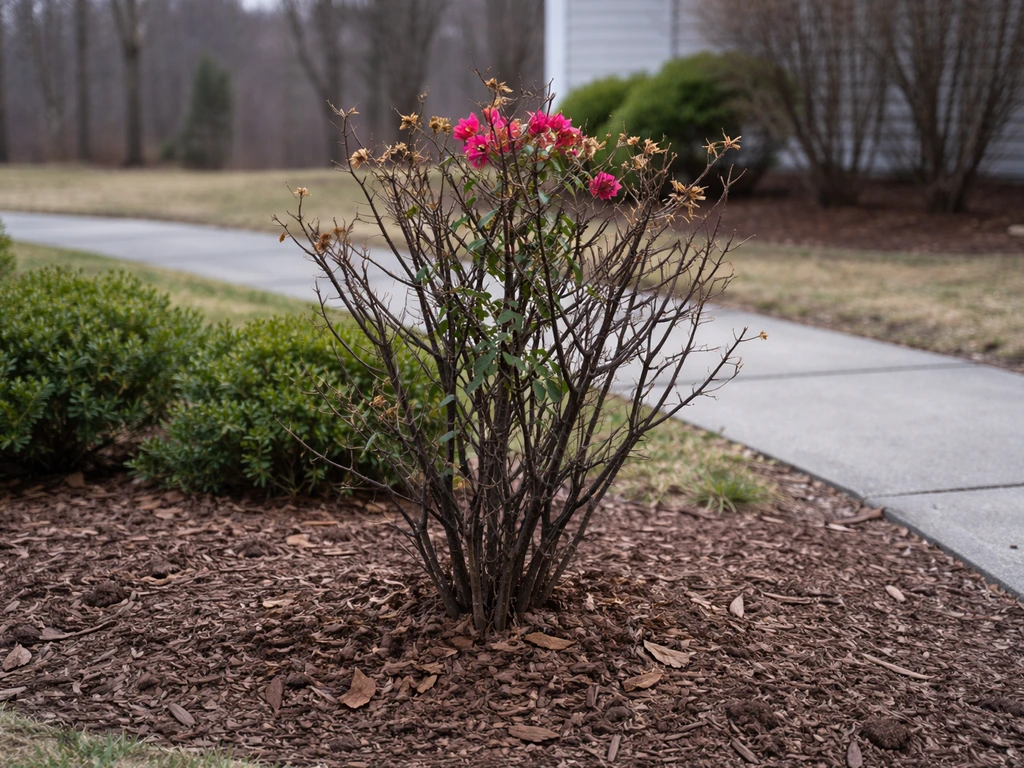
The only scenario where leaving bougainvillea in the ground even becomes a conversation in Massachusetts is along the very southern coastline, places like Nantucket, Martha's Vineyard, or the tip of Cape Cod, where the ocean moderates temperatures and Zone 7b conditions prevail. In an exceptional mild winter with extra protection (heavy mulch over the root zone, a south-facing wall, a microclimate warmed by pavement or stone), the roots might survive and push new growth in spring. But this is a gamble, not a plan. Most years, even in those warmest spots, a cold snap below 20°F will kill the roots too. You would be replanting every one to two years, which is expensive and frustrating.
For central and western Massachusetts, in-ground bougainvillea is essentially not an option. Worcester and everything inland or higher in elevation gets winters that are simply fatal to this plant. If you are in Zone 5 or 6, do not waste money trying to overwinter it in the ground. The container approach is not a compromise; it is genuinely the better strategy for getting blooms anyway, because you control the conditions.
Container growing as the practical Massachusetts solution
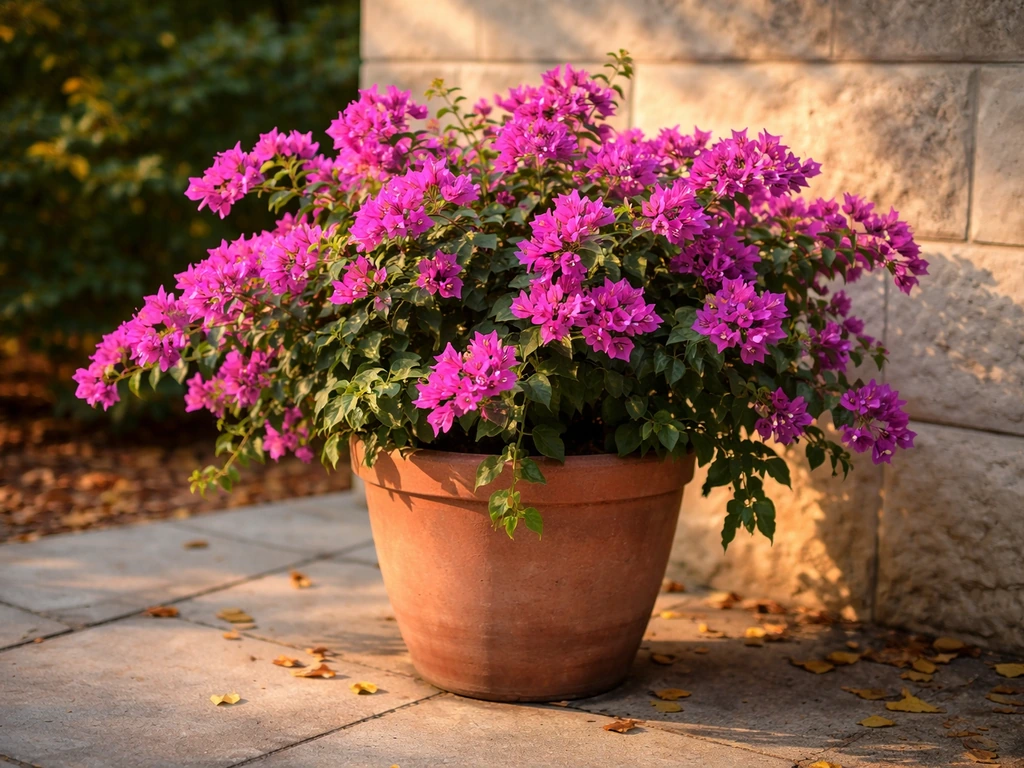
Growing bougainvillea in a container is the right move for Massachusetts. You get to place it in the hottest, sunniest spot on your property during summer, move it to a protected location when temperatures start dropping in fall, and bring it back out again in late spring. This is exactly how northern gardeners in states like Michigan, Pennsylvania, and Oregon handle bougainvillea too, and it works well when you follow the timing and setup correctly. The same approach can work in Pennsylvania as well, as long as you treat it as a container plant and protect it from winter cold Michigan, Pennsylvania, and Oregon. If you are in Oregon and wondering about growth outdoors, you will still have the best odds when you match bougainvillea’s heat and frost-free requirements.
One key detail that surprises people: bougainvillea actually blooms better when it is slightly pot-bound. Do not rush to repot it into a larger container every year. Keeping it slightly cramped at the roots encourages the plant to put energy into flower bracts rather than root and leaf growth. Use a pot with excellent drainage holes, because waterlogged roots are a fast way to kill this plant.
For the potting mix, go with a fast-draining blend. A standard potting mix cut with about 20 to 30 percent perlite or coarse sand works well. Bougainvillea roots want to dry out between waterings, so you are aiming for a mix that does not hold moisture for long. Heavy, peat-dense mixes that stay wet are a problem.
Overwintering strategies and temperature targets
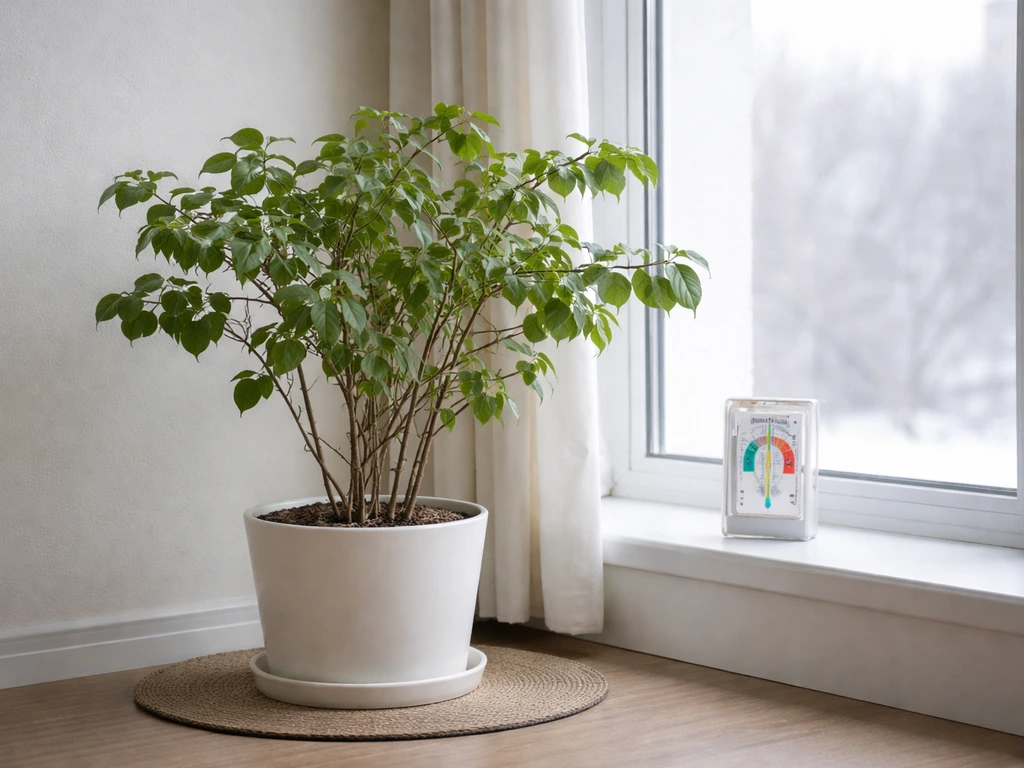
This is the most important part of the whole operation for Massachusetts gardeners. You need to get your bougainvillea indoors before nighttime temperatures drop to 40°F, which in most of Massachusetts means sometime in September or early October depending on your specific location. Do not wait for frost. Once the plant gets hit by temperatures in the low 40s repeatedly, the bracts and leaves will drop and the plant enters a stressed state rather than a healthy dormancy.
The ideal overwintering location is cool but frost-free, somewhere that stays between about 45 and 55°F. A basement with a south-facing window, an attached garage that does not freeze, or an unheated but insulated sunroom all work well. The goal is to keep the plant in a cool, low-energy dormancy without letting it freeze. You want it resting, not actively growing, but also not sitting in complete darkness at 70°F all winter, which would drain its energy reserves and encourage weak, spindly growth.
During overwintering, water very infrequently. The soil should be allowed to go quite dry between waterings, maybe once every three to four weeks. Do not fertilize from the time you bring it in until late February or early March. If the plant drops most of its leaves, that is normal and expected. It is conserving energy, not dying.
A quick trim before bringing it inside can help if the plant is too large for your indoor space. Cut it back by about a third, and you can prune more aggressively in late winter when you start seeing new growth buds forming. Once you move it back outside in late May (after your last frost date, which is typically mid-May for coastal MA and late May for inland areas), resume regular watering and begin fertilizing again.
Getting blooms in Massachusetts: sun, heat, water, and soil
Bougainvillea needs full sun, and the bar is high. You want at least six hours of direct sun per day, and more is better. In Massachusetts, the outdoor season runs roughly June through September, and those months do offer good sun if you position the plant well. Put it in the hottest, most exposed spot on your property, ideally against a south-facing wall or dark fence that absorbs heat and radiates it back onto the plant. Walls and pavement make a real difference in how much the plant blooms. A pot sitting in the middle of a cool, shaded yard will give you green leaves and almost no color.
Watering discipline matters as much as sun. Bougainvillea blooms are triggered partly by a mild drought stress. Let the soil dry out between waterings rather than keeping it consistently moist. When you water, water deeply, then wait. This cycle of dry and then saturated mimics the seasonal patterns of its native tropical habitat and signals the plant to push flower bracts. Overwatering is one of the most common reasons Massachusetts container bougainvillea stays green and refuses to bloom.
Feed with a fertilizer higher in phosphorus (the middle number on the label) during the active growing season to encourage flowering rather than leaf growth. Hold back on high-nitrogen fertilizers, which push lush foliage at the expense of blooms.
Choosing the right variety for a colder climate
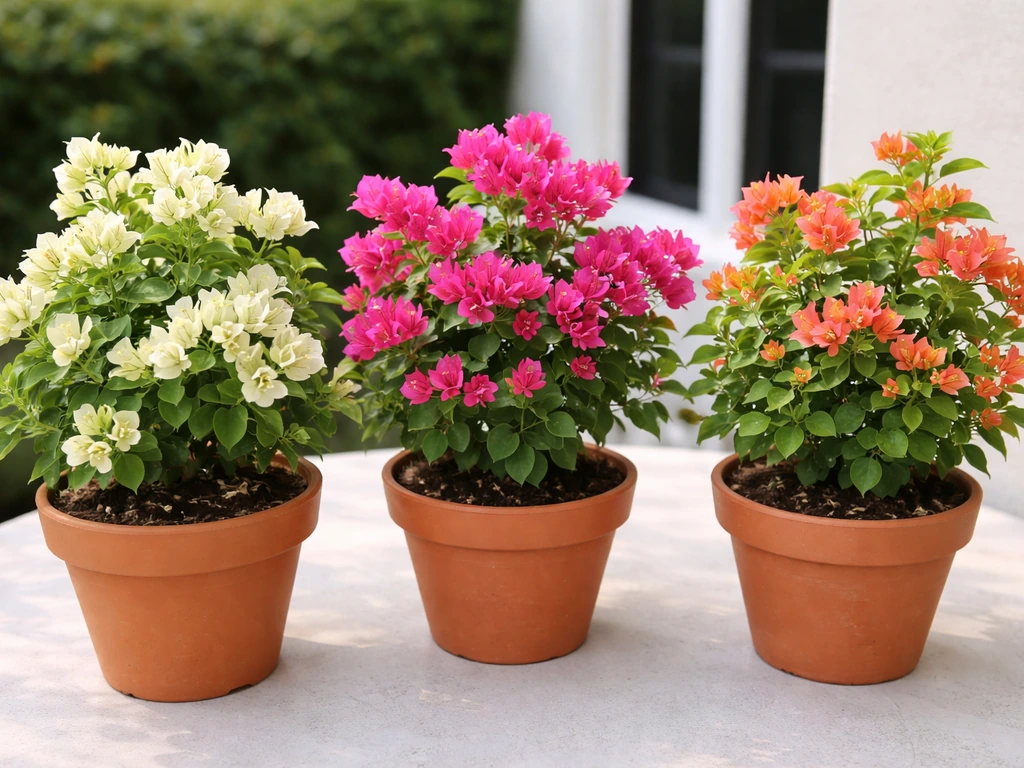
When shopping for bougainvillea in Massachusetts, look for compact or dwarf varieties. Varieties like 'Miss Alice' (white bracts), 'Torch Glow' (a more upright, compact grower), and 'Barbara Karst' (bright red, one of the most vigorous and commonly available) all perform well as container plants and are easier to manage indoors during winter. Avoid very large, rambling varieties if you have limited indoor storage space, because a plant that spreads six feet in summer becomes very hard to bring inside.
Steer away from B. glabra as a standalone purchase if you are specifically hoping for cold tolerance, as it is noted for frost sensitivity and is a poor candidate even for the mild-protected situations sometimes attempted on the coast. Stick with named cultivars from a nursery that can confirm the variety, and ask specifically whether the plant has been grown in a container rather than field-dug, since container-grown plants handle the transition to overwinter conditions better.
In New England garden centers, bougainvillea is sold as a seasonal annual or patio plant, usually arriving in late May. Buying locally means the plants are already acclimated to your region's outdoor conditions and are timed for your growing season. Mail-order plants arriving in April need hardening off before they go outside.
Before you buy: your quick decision checklist
Run through these conditions before you spend money on a bougainvillea. If you can check every box, you have a solid setup for success. If you are missing more than one or two, rethink the plan or adjust your setup first.
- You have a spot outdoors that gets six or more hours of direct sun daily from June through September, ideally near a south or west-facing wall.
- You have an indoor space that stays between 45 and 55°F in winter, does not freeze, and gets some light (a basement window or cool sunroom is ideal).
- You can move the pot indoors before mid-September or whenever your nighttime temperatures consistently approach 40°F.
- You are willing to let the soil dry out between waterings rather than watering on a regular schedule.
- You have chosen a compact or dwarf variety that fits your indoor overwintering space when lightly pruned.
- You have or can source a fast-draining potting mix (standard mix plus perlite) and a pot with drainage holes.
- You understand the plant may drop leaves indoors in winter and will not panic or overwater in response.
The realistic recommendation for Massachusetts gardeners: buy one compact variety in late May, put it in a sunny container on your warmest patio or deck, water it sparingly, and bring it inside to a cool basement or garage before October. Do this consistently and you will have a blooming bougainvillea every summer. Skip the in-ground experiment unless you are gardening right on the southern coast and are comfortable losing the plant in a bad winter. The container method is not a consolation prize; it is genuinely the most reliable way to grow this plant anywhere north of Zone 8, whether you are in Massachusetts, Maryland, or further north into Michigan.
FAQ
What’s the latest time I can leave my bougainvillea outside in Massachusetts before bringing it in?
Yes, but only if you move it indoors at the right temperature. If the nights drop into the low 40s repeatedly, expect leaf and bract drop, and then you must let the plant rest indoors at cool, frost-free temperatures (about 45 to 55°F). Waiting for the first hard frost usually comes too late in Massachusetts.
Can I overwinter bougainvillea indoors in a warm room, like a living room window?
If your indoor space stays near 65 to 75°F all winter, expect weak growth and fewer blooms, even if the plant survives. Aim for a cool, low-light-freezing-risk area, not a warm living room, and keep it dry with only occasional watering (roughly every 3 to 4 weeks).
How often should I repot bougainvillea in a Massachusetts container setup?
Repotting into a much larger container can delay flowering because bougainvillea puts more energy into new roots and leaves. Massachusetts growers typically do better keeping it slightly pot-bound, only moving up one size when roots are tightly filling the pot or circling heavily.
Will my bougainvillea die if the pot freezes during winter storage?
A container can freeze even when your building doesn’t, so choose winter storage that prevents both root freezing and waterlogged soil. If the pot might sit in an unheated area where it can drop below freezing, insulate the pot (for example, wrap the container) or move it to a truly frost-free spot.
Why does my bougainvillea stay green but won’t bloom, even after a sunny summer?
Start with a fast-draining mix and water only after it dries well. You can verify by lifting the pot, checking that water drains quickly through the holes, and making sure the top layer is dry before watering again. Consistently wet soil is the most common reason Massachusetts plants stay green and fail to bloom.
Is it normal for bougainvillea to lose most of its leaves when I bring it indoors?
It’s common for leaves to fall during overwintering, especially when the plant is shifted indoors and temperatures cool down. Normal leaf drop does not necessarily mean death, as long as stems remain firm and you follow the dry, infrequent watering routine.
When should I fertilize bougainvillea after overwintering in Massachusetts?
Don’t fertilize during dormancy. Once you bring it inside, hold off until late winter (late February or early March), then resume feeding when you move it back outside in late May and new growth starts. High-nitrogen fertilizer during the active season can also reduce bract color.
What should I do if the leaves look wilted during the growing season?
Use it as a signal to reduce watering, not to “rescue” the plant with frequent drinks. Let the pot dry down between waterings, then water deeply and allow excess to drain. If the leaves are drooping but the soil is wet, that’s usually overwatering rather than underwatering.
Can I prune bougainvillea in fall before overwintering in Massachusetts?
Yes, but time it carefully. A trim by about one third before you bring it in can help it fit indoors and reduce stress, and then do the more shaping prune after you start seeing new buds in late winter. Avoid heavy pruning right before your fall move, because the plant is already preparing for dormancy.
What should I look for when buying bougainvillea in Massachusetts so it survives winter better?
Look for compact, dwarf, or patio-friendly varieties and buy from a nursery that identifies the cultivar. Container-grown plants typically handle the outdoor to indoor transition better than field-dug specimens, so ask whether the plant has been grown in a pot.
How much sun does bougainvillea need to reliably bloom in Massachusetts?
Massachusetts gardeners often start blooming inconsistently if the plant never gets enough direct sun. Try to exceed six hours of direct sun, and place the pot where it also receives reflected heat from a dark wall, fence, or pavement to help bract formation.
Is it ever worth trying to grow bougainvillea in the ground on Cape Cod or the islands?
In-ground survival is a gamble even on the mildest parts of the coast. If you want to try a ground placement, you would need strong winter insulation over the root zone and a highly sheltered microclimate, but most years a cold snap under about 20°F can kill roots, meaning replanting is likely.