
Yes, azaleas can grow in Wisconsin, but you have to pick the right ones. Most azaleas sold at big-box garden centers are bred for Zone 6 or warmer, and they will not survive a Wisconsin winter. The ones that actually work here are cold-hardy deciduous varieties, especially the Northern Lights series developed in Minnesota, which can handle temperatures down to −35°F or lower. Plant the right cultivar in a sheltered spot with the right soil, and you can have a blooming azalea in Wisconsin. Plant the wrong one, and you will be replacing it every spring.
Will Azaleas Grow in Wisconsin? Cold-Hardy Guide
Marcus Hartwell
29 May 2026
Why azaleas are a challenge in Wisconsin
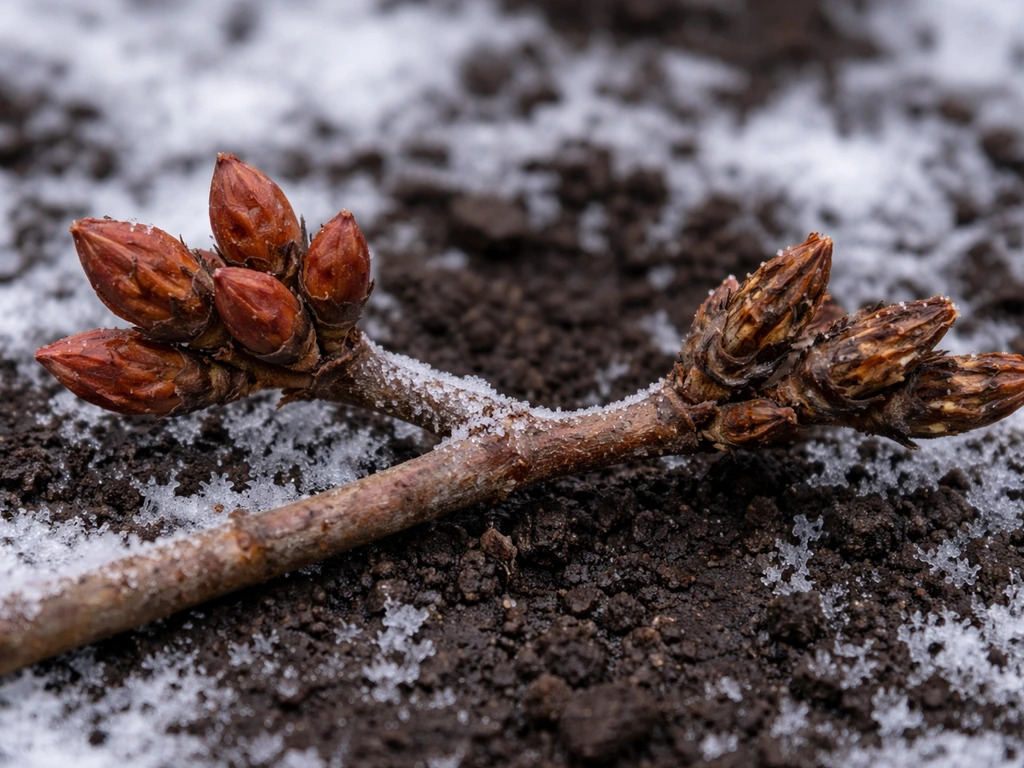
The core problem is cold hardiness, specifically flower bud hardiness. Most azaleas can keep their vegetative buds (the ones that produce leaves) alive at colder temperatures than their flower buds can tolerate. So even if your azalea survives the winter and leafs out, you may never see a single bloom because the flower buds were killed in January. If you are planning to grow azaleas in Ontario, focus on cold-hardiness and choose cultivars and siting that match your local zone So even if your azalea survives the winter and leafs out, you may never see a single bloom. That is the frustrating middle ground a lot of Wisconsin gardeners land in.
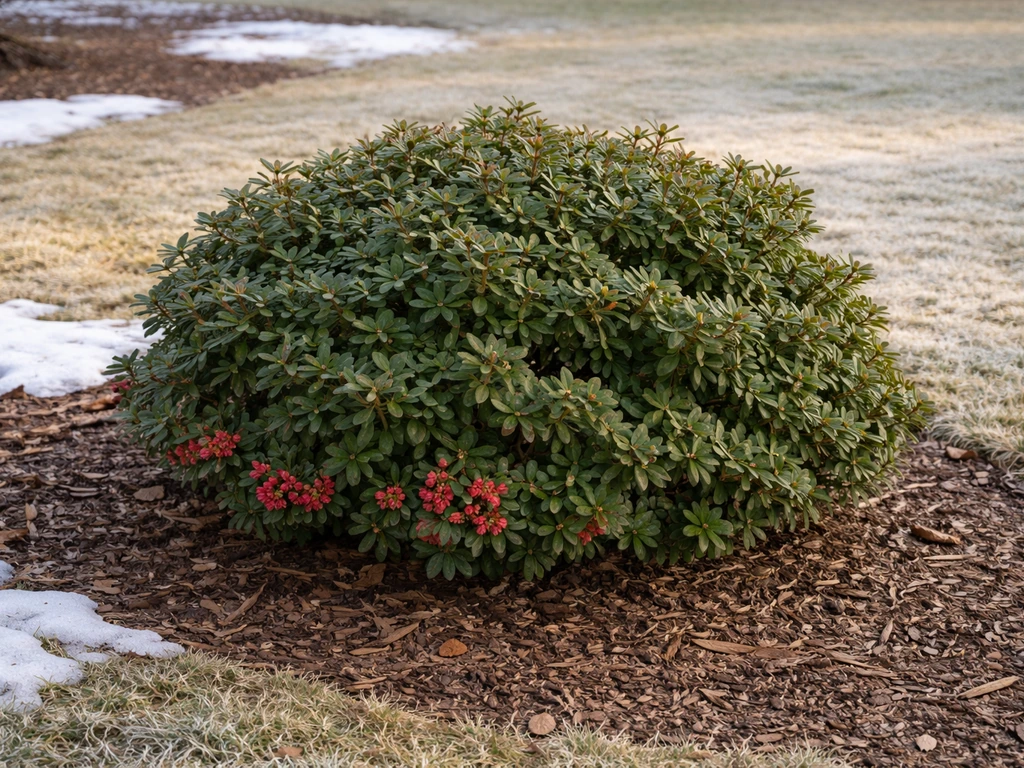
Wisconsin winters are genuinely harsh. Northern parts of the state sit in Zone 4a or even Zone 3b, where temperatures can drop to −25°F to −35°F or lower. Even in southern Wisconsin (Zone 5 or 6), you can get brutal cold snaps, ice storms, and brutal drying winds that cause what UW-Madison Extension calls winter burn. This happens when frozen ground prevents roots from taking up water while winter sun and wind pull moisture out of leaves and stems. Evergreen azaleas are especially vulnerable to this.
Microclimates matter enormously here. Two yards in the same town can behave like different zones depending on whether there is a windbreak, a south-facing wall nearby, or a low frost pocket in the garden. A sheltered urban lot in Madison might successfully grow an azalea that would fail completely on an exposed rural hillside just 10 miles away. Your zone rating is a starting point, not a guarantee.
Wisconsin growing zones and what they mean for azaleas
According to the 2023 USDA Plant Hardiness Zone Map, Wisconsin spans zones 3b through 6a. UW-Madison Extension notes this is actually four distinct zones now, more granular than older maps showed. The northern third of the state (think Ashland, Iron County) sits around Zone 4a or colder. The southern tier, including the Milwaukee area, ranges from Zone 5b to Zone 6a. Madison generally falls around Zone 5a to 5b. Two towns an hour apart can easily sit in different half-zones.
| Wisconsin Region | Approximate USDA Zone | Minimum Temp Range | Azalea Feasibility |
|---|---|---|---|
| Far north (Iron, Vilas, Oneida counties) | 3b – 4a | −30°F to −25°F | Only the hardiest Northern Lights cultivars; very challenging |
| Central Wisconsin (Wausau, Stevens Point) | 4b – 5a | −25°F to −15°F | Northern Lights series works well with good siting |
| Southern Wisconsin (Madison, Janesville) | 5a – 5b | −20°F to −10°F | Good range for Northern Lights; some other hardy cultivars possible |
| Southeast (Milwaukee, Racine, Kenosha) | 5b – 6a | −15°F to −5°F | Widest selection; sheltered sites can support more cultivar options |
The easiest way to confirm your exact zone is to use the USDA's 2023 interactive hardiness zone map online. You can click on your specific address and get a zone classification down to the half-zone level. That matters because a Zone 4b site and a Zone 5a site are meaningfully different for azalea flower bud survival. Do this before you buy anything.
The azaleas that actually survive Wisconsin winters
Forget most standard nursery azaleas for Zone 6 and warmer. In Wisconsin, you want deciduous cold-hardy azaleas, and the Northern Lights series is the gold standard. These hybrids were developed at the University of Minnesota specifically for cold-climate gardens, and the flower buds can survive down to −35°F or lower without significant damage. That is a huge deal because flower bud hardiness is exactly where most azaleas fail in this state.
Iowa State Extension confirms that flower buds in the Lights series can withstand at least −30°F, and University of Illinois plant records list White Lights with flower bud hardiness to −35°F. Iowa State Extension also notes that the Lights series are Minnesota introductions known for flower-bud hardiness, with buds withstanding at least −30°F temperatures [Iowa State Extension confirms that flower buds in the Lights series can withstand at least −30°F](https://yardandgarden. extension. iastate.
edu/how-to/azaleas-iowa-winter-hardy-lights-series). The Morton Arboretum documents these hybrids as hardy through Zone 3, which covers all but the most extreme corners of Wisconsin. The Morton Arboretum describes the Northern Lights azalea hybrid series as hardy deciduous shrubs with a stated hardiness range that includes USDA Zone 3 through Zone 5+ and notes these Minnesota-developed hybrids were bred for bud hardiness.
These are not marginal plants for Wisconsin. They were built for winters like ours.
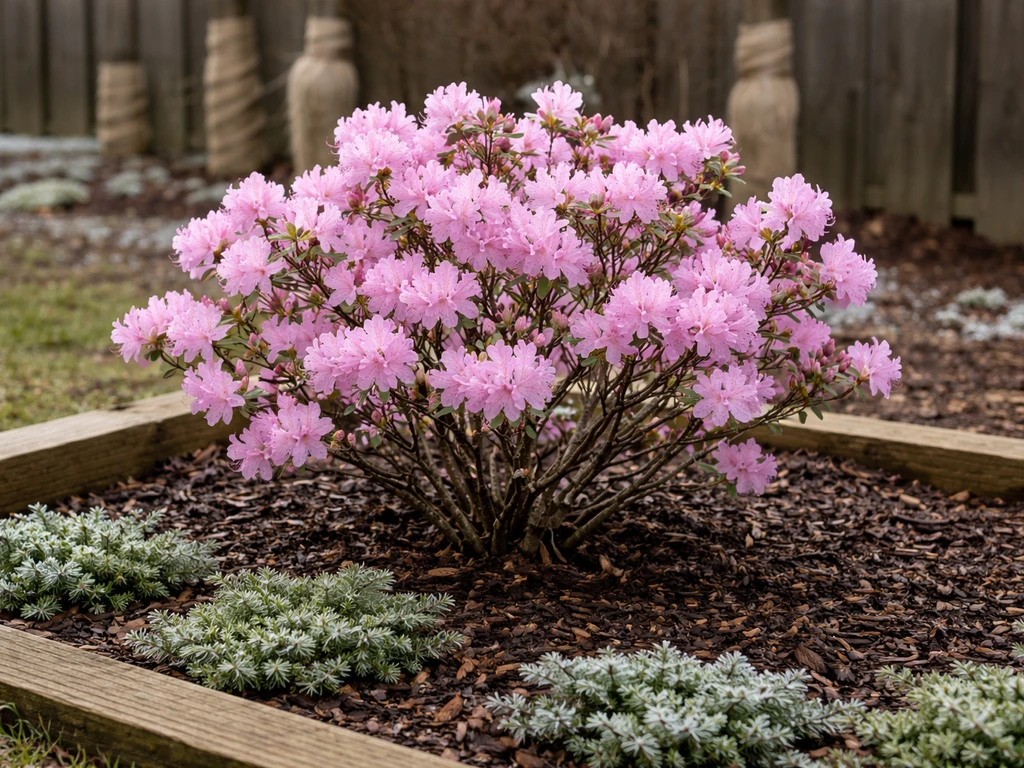
- Northern Lights (pink-lavender flowers, bud-hardy to at least −35°F)
- White Lights (white fragrant flowers, bud-hardy to −35°F, Zone 4a rated)
- Rosy Lights (deep rose-pink, widely used in Zone 4 landscapes)
- Lemon Lights (soft yellow, fragrant, similar hardiness range)
- Mandarin Lights (orange-red, good bud hardiness for colder zones)
- Orchid Lights (light purple, compact habit, among the hardiest in the series)
Beyond the Lights series, the native flame azalea (Rhododendron calendulaceum) is documented with a minimum hardiness temperature of −20°F, making it a reasonable option for central and southern Wisconsin with good siting. For gardeners in Zone 5b or 6a near Milwaukee or the lakeshore, you have a bit more flexibility, but even there, checking the specific cultivar's hardiness rating beats assuming it will make it.
What to look for on plant labels: check for a USDA zone rating and, if you can find it, a flower bud hardiness temperature. A plant tagged Zone 4 means it can survive to around −25°F to −30°F, which covers much of Wisconsin, but a separate flower bud hardiness number tells you whether you will actually get blooms. University of Vermont Extension confirms that while most azaleas are Zone 6 to 9 plants, cold-hardy varieties can perform well in zones as cold as Zone 3 when selected correctly.
How to give azaleas their best shot in Wisconsin
Picking the right spot
Site selection is as important as cultivar choice. Azaleas need protection from winter wind, which is one of the biggest drivers of winter burn in Wisconsin. A spot on the east or north side of a building, a fence, or an established windbreak gives you a big advantage. Avoid open, exposed locations on the south or west side where they will catch full sun in late winter while the ground is still frozen. That combination of winter sun and drying wind is what triggers desiccation damage.
Azaleas do best in partial shade or filtered light, not dense shade and not full blazing afternoon sun. Morning sun with afternoon shade is ideal in Wisconsin. They also need well-drained soil. Their roots are shallow and fine, and they will rot in waterlogged conditions. The Azalea Society of America specifically warns against planting in a small amended hole surrounded by heavy clay, because poor drainage can be lethal. If your soil is heavy clay, amend a wide bed area, not just a planting hole.
Soil and pH
Azaleas require acidic soil, ideally pH 5.0 to 5.5. Wisconsin soils vary a lot, and many areas have neutral to slightly alkaline soil, especially where limestone is near the surface. Before planting, get a soil test through your county UW-Madison Extension office. They can test pH and nutrients and tell you what to amend. Planting into the wrong pH is a slow way to lose an azalea, so do not skip this step.
Watering in fall and winter mulching
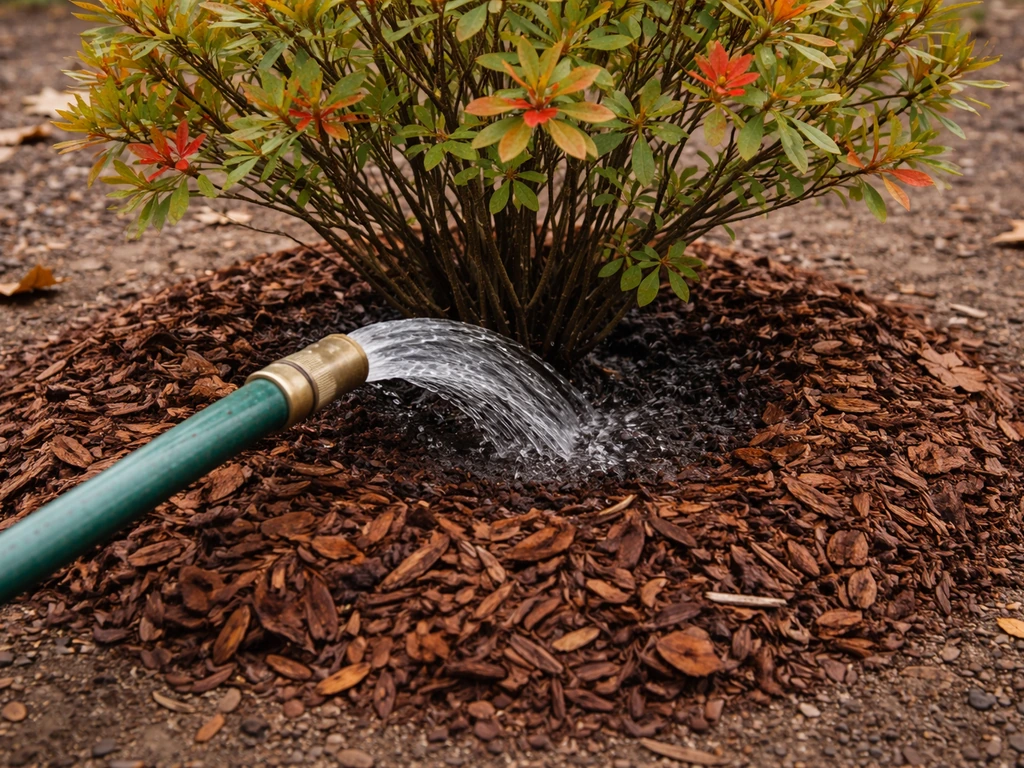
UW-Madison Extension is consistent on this point: plants that go into winter drought-stressed suffer far more damage than well-hydrated ones. Water your azalea deeply through October before the ground freezes. Then mulch. Aim for 2 to 4 inches of mulch over the root zone, extending at least to the drip line. On clay soils, stay closer to 2 inches; on sandy soils, 4 inches is appropriate. Straw or marsh hay layered with evergreen boughs works well. A burlap tent over the plant in its first couple of winters adds meaningful protection and is worth the effort while the shrub gets established.
What to realistically expect after planting
The first winter is the hardest. Newly planted azaleas have not fully established their root system, which makes them more vulnerable to cold damage than a plant that has been in the ground for three or four years. UMN Extension notes that cracks in new planting holes can let cold air reach young roots. A generous mulch layer (4 to 6 inches is reasonable for a new plant's first winter) helps buffer soil temperature swings.
Even with the right cultivar in a good spot, you may see some tip dieback in harsh winters. For a well-chosen Northern Lights variety in Zone 5, this is usually cosmetic. Prune out the dead wood in spring after the plant has fully leafed out, and it will bounce back. The distinction between flower bud hardiness and vegetative bud hardiness matters here: a plant might lose its flower buds in a severe cold snap but still produce a healthy green shrub. In really bad years, that is a reasonable outcome.
UW-Madison Extension advises gently peeling back bud scales in spring to check for green tissue inside. Green means alive and will leaf out. Brown or dry tissue inside means that bud is dead. This is the simplest way to assess winter damage before you decide whether to prune or wait. Do not rip out the plant before checking, since azaleas can look completely dead in April and still flush out in May once temperatures rise.
In Zone 6a near Milwaukee or Kenosha, with a good microclimate and the right cultivar, you can expect a reliably blooming shrub that performs much like it would in Illinois or Michigan. If you are growing azaleas in central Wisconsin in Zone 5a, expect excellent results with the Lights series but plan on occasional flower bud loss after the coldest winters. In Zone 4a or colder in the north, you are at the edge even with the hardiest cultivars, and results will depend heavily on your specific site. Gardeners in similar climates in Minnesota have had consistent success with the Lights series in Zone 4, which is encouraging.
Your checklist before buying azaleas in Wisconsin
- Look up your exact USDA hardiness zone using the 2023 interactive map at the USDA website. Check for your specific address, not just your city.
- Only buy azaleas labeled Zone 4 or colder, or that specifically list flower bud hardiness below −25°F. The Northern Lights series is the safest starting point for most of Wisconsin.
- Get a soil pH test before planting. Contact your county's UW-Madison Extension office. Target pH of 5.0 to 5.5. Amend if needed.
- Identify a planting site that is sheltered from prevailing winter winds, ideally with morning sun and afternoon shade. Avoid open exposed locations and low frost pockets.
- Check drainage. If water pools after rain, choose a different spot or build a raised bed. Waterlogged soil is lethal for azaleas.
- Plan your fall watering and mulching routine before the plant goes in. Deep watering through October and 2 to 4 inches of mulch over the root zone are non-negotiable in Wisconsin winters.
- If you are in Zone 4a or colder (far northern Wisconsin), seriously consider whether your microclimate offers enough shelter. If not, look at other cold-hardy flowering shrubs like native viburnums, dwarf bush honeysuckle, or ninebark as alternatives.
- In spring after a hard winter, check bud tissue before pulling the plant. Green inside means it is alive, even if it looks rough on the outside.
Wisconsin is not the easiest state for azaleas, but it is absolutely doable in much of the state when you match the cultivar to your zone and site your plant thoughtfully. Gardeners in similar cold-climate states, including Michigan, Minnesota, and Illinois, face similar tradeoffs with azaleas, and the Lights series has proven itself across all of those regions.
If you are also wondering can azaleas grow in Minnesota, the answer is yes when you choose cold-hardy cultivars and protect them from harsh winter conditions. Can azaleas grow in Michigan? Yes, but choosing cold-hardy types and the right site matters just as much there as in Wisconsin. The difference between success and frustration usually comes down to cultivar selection and that first winter of establishment care.
FAQ
Can I grow azaleas from big-box nursery plants in Wisconsin if they’re sold as “hardy” or “evergreen”?
Often no. Many labels reflect hardiness for warm zones, or they only indicate the plant can keep some vegetative buds alive. In Wisconsin, you need a cultivar with proven flower bud hardiness, ideally a cold-hardy deciduous type like Northern Lights, and you should verify any bud-hardiness number on the tag before buying.
What’s the best azalea type for Wisconsin, deciduous or evergreen?
Deciduous cold-hardy azaleas are the safer bet because they are less exposed during the winter stress window. Evergreen azaleas are more vulnerable to winter burn and moisture loss when frozen ground prevents water uptake, even if the shrub technically survives.
If my azalea survives but doesn’t bloom, does that mean it’s dying?
Not necessarily. It commonly means the flower buds were killed while vegetative buds survived. Check internal bud tissue in spring (green tissue means alive). If leaves come out normally, it’s a flower bud hardiness issue, not a death sentence, and you can wait rather than rip it out.
How do I tell the difference between cold damage and planting failure (like poor drainage) in Wisconsin?
Cold injury often shows up as dead tips, brown buds, or delayed leafing that improves once temperatures rise. Drainage problems usually cause consistent decline, yellowing, or rotting even in years without extreme cold. If your soil holds water, prioritize a wide, well-drained bed and avoid planting in a small amended hole surrounded by heavy clay.
Do I need a soil test every time, or can I just amend with store-bought products?
A soil test is worth it at least before your first azalea planting. Wisconsin soils can swing from neutral to alkaline depending on limestone, and azaleas want pH around 5.0 to 5.5. Over-amending can still leave you out of range, so test pH and nutrients through your county UW-Madison Extension office before you commit.
What mulch depth should I use in Wisconsin, and does it differ for new vs established azaleas?
Yes. For established plants, 2 to 4 inches over the root zone is typical, but for a newly planted azalea, 4 to 6 inches (first winter) helps buffer soil temperature swings. On clay soils lean closer to 2 inches, on sandy soils closer to 4, and keep mulch from piling tightly against the crown.
When should I water azaleas for winter protection in Wisconsin?
Deep watering through October, before the ground freezes, is the key window. After that, focus on moisture conservation with mulch and protection from drying wind. If you water too late, you may not help root uptake before freezing, and if you skip fall watering, winter drought-stress can be worse than short cold spells.
Should I cover azaleas during winter in Wisconsin, and will it always help?
Covering can help most during the first one to two winters, especially with windy sites. A burlap tent can reduce drying wind and desiccation, but it does not replace cultivar hardiness. Avoid sealing plants airtight in milder spells, because excess moisture and heat can harm stems and buds.
Where is the worst place to plant azaleas in Wisconsin, even if it gets some morning sun?
Avoid spots that combine late-winter sun with drying wind, especially open south- or west-facing exposures. Also avoid low areas that trap cold air, and avoid dense heavy clay with poor drainage, since shallow roots can rot if the site stays wet.
Will northern lights azaleas bloom every year in Zone 4a or colder in northern Wisconsin?
They can, but you should still expect variability. Flower bud hardiness gives you a chance, but in Zone 4a or colder, extreme cold snaps and site exposure can wipe out buds. Plan for occasional non-bloom years while the shrub itself remains healthy.
What’s the safest pruning approach if I think my azalea died in winter?
Wait until after the plant has fully leafed out in spring, then prune out only the dead wood. Before pruning, gently inspect bud tissue, green inside means alive. Azaleas can look dead in April but flush later, so removing branches too early can reduce next season’s flowering.
How can I improve success if my garden sits in a frost pocket or feels colder than my town’s zone?
Treat your zone as a baseline, then adjust for your microclimate. Choose the warmest, most sheltered spot you can find (near a building with good wind protection), keep the plant in partial shade with morning sun, and consider extra winter buffering like a burlap windbreak for young plants.