
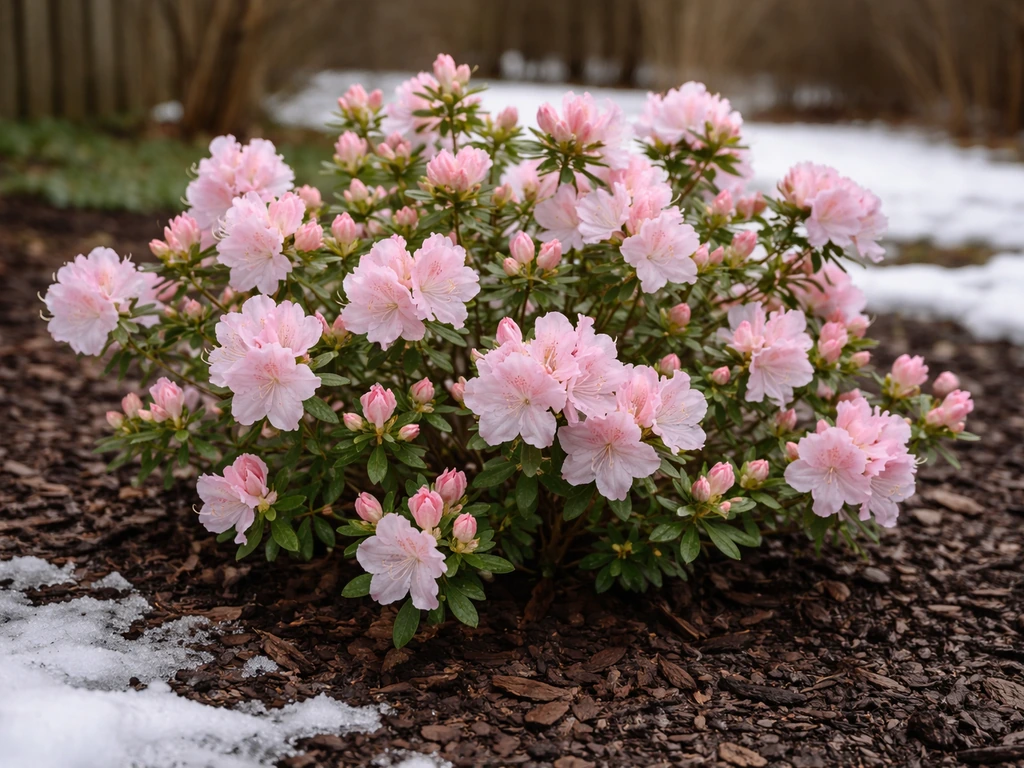
Yes, you can grow azaleas in Ontario, but the honest answer is: it depends heavily on where in Ontario you live, and which azalea you plant. Illinois gardeners can use the same zone thinking and cultivar choices to decide which azalea types are most likely to survive can azaleas grow in illinois. Southern Ontario gardeners near Windsor or the Niagara Peninsula have a real shot at growing both deciduous and some evergreen types. If you're in Ottawa, Barrie, or further north, stick to the deciduous Northern Lights series, which are bred to survive temperatures down to -40°F and laugh at Ontario winters. Buy the wrong cultivar, plant it in the wrong spot, and you'll lose it by February. Get those two things right, and azaleas can absolutely thrive here.
Can You Grow Azaleas in Ontario? Feasibility and Care Guide
Ontario's climate and what it means for azalea survival
Ontario spans an enormous range of growing conditions. Canadian plant hardiness zones run from 0A in the far north all the way up to about 7B in the mildest pockets of southern Ontario. In practical terms, Ottawa sits around USDA zone 5B, with average extreme winter lows hitting roughly -26°C to -23°C (-15°F to -10°F). Barrie is similar, around Canadian zone 5B. Windsor and the Niagara region push into zone 6 or even zone 7 territory, which opens up more options.
The Canadian Plant Hardiness Zone system is built on seven climate parameters, not just minimum temperature, so it captures more of what plants actually experience than the USDA map alone. That matters for azaleas because it's not only about the coldest night of the year. Ontario winters also deliver freeze-thaw cycles that rupture bud tissue, desiccating winds that dry out evergreen foliage while roots are frozen solid, and late cold snaps in April that can kill flower buds that have already started to swell. These are the real killers, and understanding them shapes every decision below.
Deciduous vs evergreen azaleas: which type works in Ontario
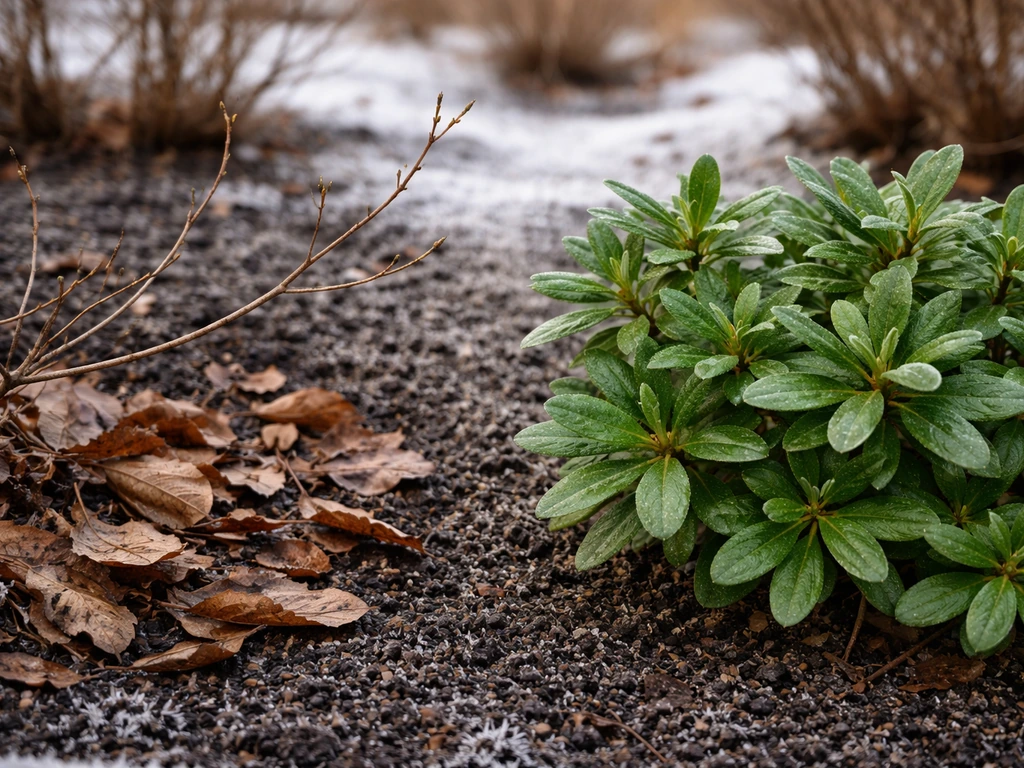
This is the most important choice you'll make. In most of Ontario, deciduous azaleas are the safer, more reliable bet. They drop their leaves in fall, which eliminates winter desiccation injury to foliage, and the hardy cultivars have been specifically bred for brutal cold. Evergreen azaleas are beautiful, but they're a real gamble north of the Lake Erie shoreline and Niagara region.
Deciduous azaleas: the Northern Lights series
The Northern Lights hybrids, developed at the University of Minnesota, are the go-to recommendation for most Ontario gardens. They were specifically bred for extreme cold, and flower buds on varieties like Golden Lights and Rosy Lights survive down to -40°F. That covers virtually every corner of Ontario. These are the ones to buy if you're in Ottawa, Barrie, Kingston, or anywhere inland where winters are genuinely harsh.
- Golden Lights: bright yellow-orange fragrant flowers, hardy to USDA zone 3, bud-hardy to -40°F
- Rosy Lights: deep rosy-pink blooms, rated USDA zones 4 through 7, outstanding Ontario performer
- Northern Hi-Lights: creamy white with yellow blush, rated USDA zones 4a through 9b
- Rosy Lights and its siblings reliably bloom even after rough winters because the buds survive what Ontario throws at them
Evergreen azaleas: southern Ontario only
If you're in Windsor, the Niagara Peninsula, or another zone 6 or warmer microclimate, you have a realistic shot at growing evergreen azaleas with proper siting and winter protection. Look for cultivars rated to at least USDA zone 5 or colder. Even then, expect some leaf browning most winters and occasional bud damage in a severe year. Further north than zone 6, evergreen azaleas are a frustrating experiment more than a garden plan.
| Type | Winter Hardiness | Best Ontario Zones | Foliage | Winter Desiccation Risk |
|---|---|---|---|---|
| Northern Lights deciduous | To -40°F / USDA zone 3 | All of Ontario | Drops leaves in fall | Very low |
| Other deciduous azaleas | Varies, often zone 4-5 | Zone 5 and warmer | Drops leaves in fall | Low |
| Evergreen azaleas | Typically zone 5-6 min. | Southern Ontario only | Holds leaves year-round | High in exposed sites |
| Rhododendrons (close relatives) | Select hardy types to zone 4 | Zone 5 and warmer | Holds leaves year-round | High without protection |
Where to plant azaleas in Ontario
Site selection in Ontario is almost as important as cultivar choice. Get this wrong and even a cold-hardy azalea will struggle. The ideal spot gives your plant morning sun with afternoon shade, protection from prevailing northwest winds, and soil that drains well but holds moisture. That combination is what makes the difference between a plant that thrives and one that limps along for years.
Sun and shade
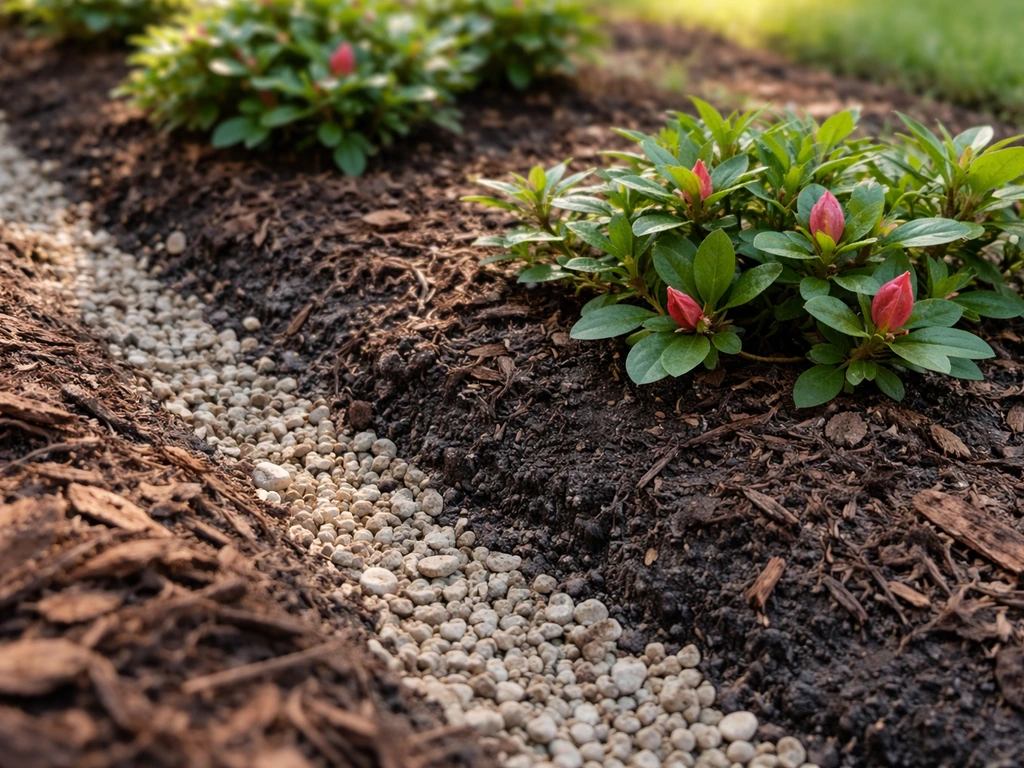
Morning sun and afternoon shade is the sweet spot. The east side of a house or fence, or under the dappled canopy of a high-branched deciduous tree, works beautifully. Full afternoon sun in Ontario's summer heat stresses azaleas and dries the shallow roots fast. Full shade reduces flowering significantly. Morning light is enough to trigger good bloom set.
Soil pH and drainage
Azaleas need acidic soil, specifically a blank" rel="noopener noreferrer">pH between 4.5 and 5.5. Ontario soils vary widely, and many garden soils in the region are neutral to mildly alkaline, especially in areas with limestone bedrock. Test your soil before you plant. If your pH is above 5.5, work in elemental sulfur or iron sulfate to bring it down, and use a peat-based planting mix. Poor drainage is a death sentence for azaleas, whose fine, shallow roots suffocate in waterlogged soil. If your planting area holds water after rain, build up a raised bed or berm before planting. Place the top of the rootball about 2 inches above the surrounding soil grade to keep roots out of saturated conditions.
Wind protection
Ontario's winter winds are a serious threat, especially for evergreen azaleas. A location sheltered by a building, fence, hedge, or dense evergreen screen on the north and west sides dramatically reduces desiccation injury. Even for deciduous types, wind protection around the root zone keeps the soil from freezing as hard and fast, which helps plants acclimate gradually.
Getting your azalea through an Ontario winter
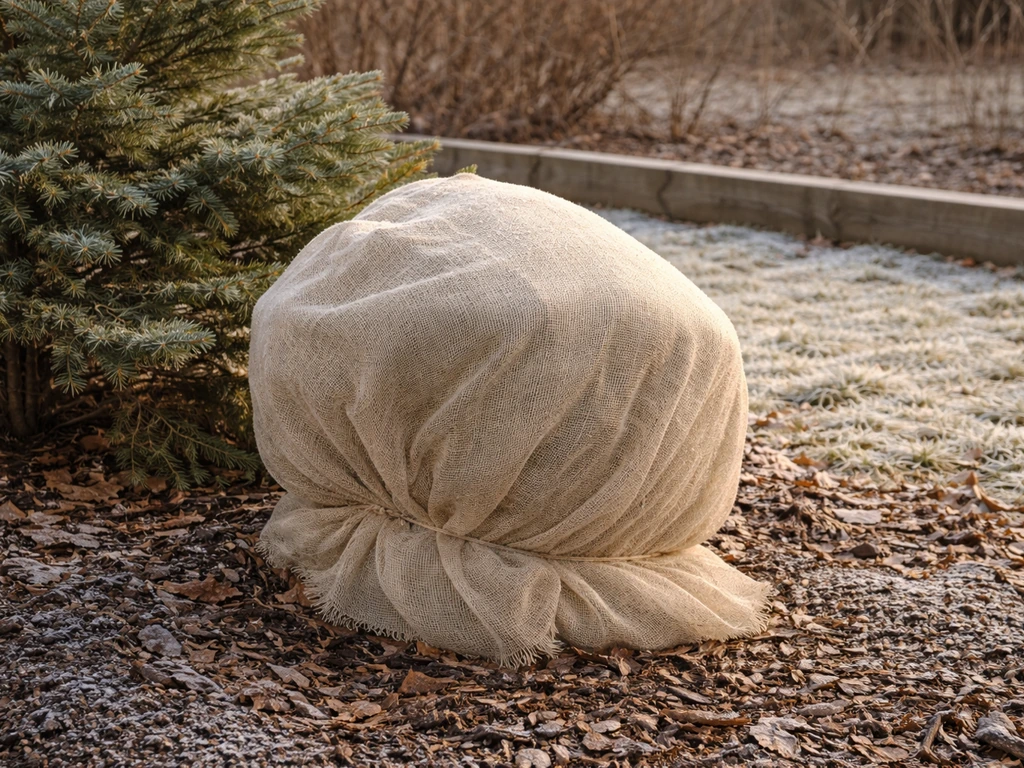
Winter protection is non-negotiable for most Ontario azalea growers, at least for the first few years while plants get established. Even reliably hardy cultivars benefit from a few simple steps that cost almost nothing and significantly improve survival odds.
- Water deeply before freeze-up, ideally in late October before the ground hardens. Moist soil retains heat far better than dry soil and reduces root damage during hard freezes.
- Apply a 3 to 4 inch layer of shredded bark mulch over the root zone, keeping it a few inches away from the main stem. This insulates roots from freeze-thaw cycling.
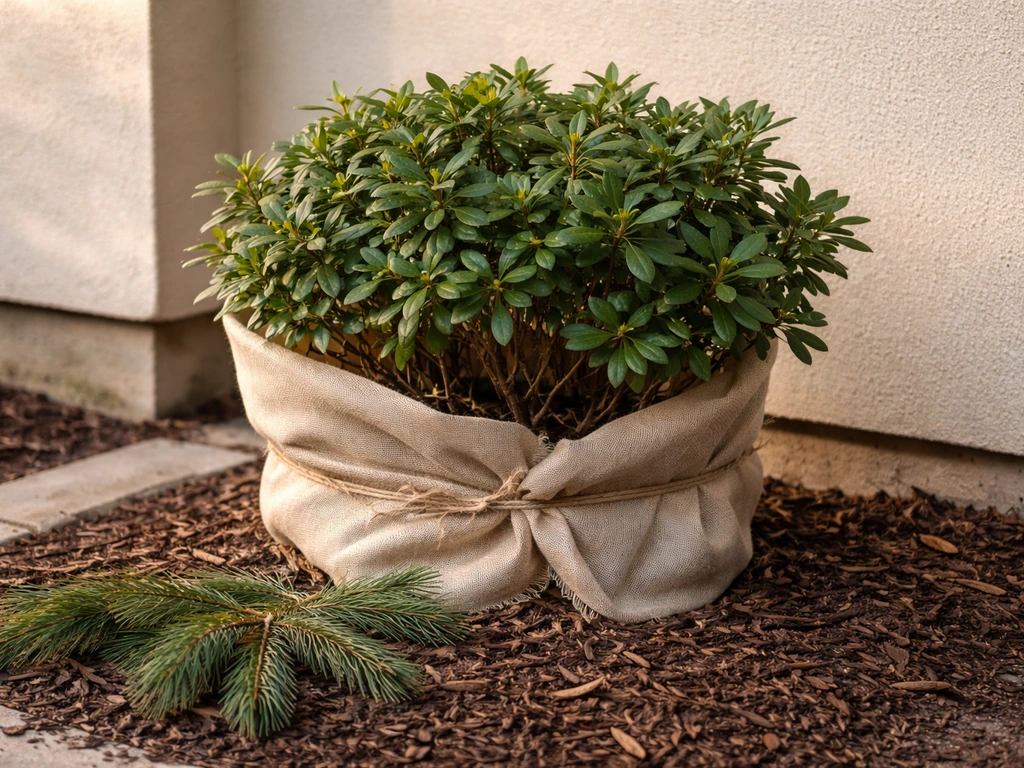
- For evergreen azaleas or marginal-zone plantings, wrap the plant loosely with burlap after the ground freezes. This reduces wind desiccation and sun scald on foliage and buds without trapping damaging moisture.
- Do not wrap in plastic, which traps heat and moisture and causes more harm than it prevents.
- Remove winter coverings gradually in spring, waiting until daytime temperatures are consistently above freezing before unwrapping.
Flower bud damage is one of the most frustrating Ontario problems with azaleas. Even when the plant itself survives, late cold snaps in April can kill buds that have already started to wake up. There's not much you can do about a -10°C night in late April except choose cultivars with the hardiest buds (the Northern Lights series is again your best insurance here) and avoid sites that trap cold air, like low-lying frost pockets.
Basic care once your azalea is in the ground
Watering
Azaleas have shallow, fibrous roots that dry out quickly. In their first two years, water deeply once or twice a week during dry stretches, enough to saturate the root zone but not leave it waterlogged. Once established, Ontario's rainfall usually handles most of the work, but watch for dry spells in July and August. Mulch helps enormously by slowing evaporation and keeping soil temperatures stable.
Fertilizing
Keep fertilizing simple and conservative. Use an acid-forming fertilizer formulated for azaleas or rhododendrons, applied lightly in spring and again in early summer if the plant looks like it needs it. Never fertilize after late June or early July in Ontario. Late-season fertilizing pushes tender new growth that won't harden off before frost, making plants far more vulnerable to winter damage. If your plant is well mulched and the soil pH is right, established azaleas often don't need much fertilizer at all.
Pruning
Prune azaleas immediately after they finish blooming, typically in late May or early June in most of Ontario. This is the narrow window that matters. Azaleas set next year's flower buds in summer and fall, so if you prune in August or September, you're cutting off the buds and will get no flowers the following spring. Never prune in late summer, and definitely don't prune in fall. Deadhead spent flowers as they fade, then do any shaping within two to three weeks of the last bloom.
Ontario planting calendar
| Season / Month | Task |
|---|---|
| Early spring (late April to mid-May) | Gradually remove winter coverings; inspect for winter damage; wait for consistently frost-free nights before unwrapping |
| Late spring (mid-May to early June) | Best planting window for new azaleas; soil is workable and warm enough, but summer heat hasn't arrived; prune after blooming |
| Early summer (June) | Final fertilizing window; apply acid fertilizer if needed; water deeply during dry weeks |
| Mid to late summer (July to August) | Water consistently; no fertilizing, no pruning; mulch if needed to conserve moisture |
| Early fall (September) | No pruning, no fertilizing; plant is setting next year's buds and beginning to harden off for winter |
| Mid to late fall (October to early November) | Water deeply before freeze-up; apply mulch over root zone; burlap-wrap evergreen types after ground freezes |
| Winter (November to March) | No active care needed; check that mulch is holding; avoid disturbing soil around roots |
Why Ontario azaleas fail and how to prevent it
Most azalea failures in Ontario come down to a handful of repeat offenders. If your plant isn't performing, one of these is almost certainly the reason.
Winter kill and bud damage
The most common problem, especially north of the 401 corridor. The fix is usually cultivar selection: if you planted a zone 6 or zone 7 evergreen azalea in Ottawa, you're fighting the climate every year. Switch to a Northern Lights deciduous variety and most winter-kill problems disappear. For persistent bud damage, choose cultivars specifically rated for bud hardiness to extreme cold, not just plant hardiness.
Winter desiccation on evergreen types
Evergreen azalea leaves lose moisture through the winter even when the plant is dormant. When roots are frozen and can't supply water, foliage dries from the tips inward, and buds shrivel. The combination of winter sun, wind, and hard-frozen soil is the mechanism. Prevention is about site choice first (protected from northwest winds, not in full winter sun) and burlap wrapping second. Water thoroughly before freeze-up every fall.
Yellow leaves (chlorosis from high soil pH)
If your azalea's leaves are turning yellow between the veins while the veins stay green, that's iron or magnesium chlorosis from soil pH that's too high. Many Ontario soils drift alkaline, and most municipal water supplies are also slightly alkaline, so this is a real and common problem. Test your soil, then amend with elemental sulfur to bring pH down to the 4.5 to 5.5 range. Iron sulfate works faster for a quick fix. Use collected rainwater for irrigation if your tap water is notably hard.
Poor flowering despite a healthy plant
This almost always traces back to one of two things: pruning at the wrong time, or not enough light. If you pruned in late summer or fall, you cut off the flower buds. You'll have to wait a full year for the plant to set new ones. If the plant is in deep shade, move it (carefully, keeping roots intact) to a spot with more morning light. Azaleas in full shade may look green and healthy but bloom sparsely or not at all.
Root rot and wet-soil stress
Azaleas need moisture but cannot tolerate waterlogged soil. Root rot sets in fast when drainage is poor. If your plant looks wilted even when the soil is wet, or if it slowly declines for no obvious reason, check drainage around the roots. Lift the plant, improve the drainage, and replant with the rootball slightly raised. This is one of those problems that gets worse over time if left alone.
Ontario gardeners dealing with azalea challenges will find that the same core issues, cold hardiness, soil pH, winter desiccation, and drainage, show up across the entire northeastern region. Gardeners in neighbouring cold-climate states like Michigan, Minnesota, Wisconsin, and Illinois face nearly identical decisions, and the same Northern Lights cultivar recommendations tend to apply across all of them. The main Ontario-specific wrinkle is the sheer range of zones across the province, which means a plant that's bulletproof in Windsor is genuinely risky in Sudbury. In Wisconsin, you'll want to match the azalea type and cultivar to your local hardiness zone and winter conditions the sheer range of zones.
FAQ
What azalea should I pick if I’m not sure which hardiness zone I’m in within Ontario?
If you cannot confidently match your location to a zone, default to a cold-hardy deciduous cultivar, especially Northern Lights hybrids. For evergreen types, treat them as an “experiment” unless you are in a milder, sheltered zone 6+ microclimate, because Ontario’s freeze-thaw swings and April bud-kill risk can still defeat borderline cultivars.
Can I grow azaleas in containers on a balcony or patio in Ontario?
Yes, but container culture is riskier for overwintering because roots freeze faster and dry out more quickly. Use an oversized pot with drainage holes, a high-quality acidic mix, and wrap or insulate the pot against winter wind exposure. For northern locations, consider storing containers in an unheated but sheltered area (like a garage entrance that stays near freezing) rather than leaving them fully exposed.
When is the best time to plant azaleas in Ontario?
Aim for spring or early summer so the plant can establish a strong root system before winter freeze-up. If you must plant later, prioritize the most cold-hardy deciduous cultivars and be strict about watering and winter protection, because late planting reduces how well azaleas acclimate.
Do azaleas need to be watered during winter in Ontario?
Usually not after the ground is consistently frozen, but you should water thoroughly before freeze-up in fall, especially for evergreens. In dry, windy winters, some gardeners also do a light “anti-dry-out” watering on a mild day when the soil is not frozen, but avoid doing this repeatedly or when temperatures are near freezing.
How much mulch should I use, and should I mulch year-round?
Use a loose, acidic-friendly mulch such as pine bark, and apply it after the first cold weather so you do not trap excessive warmth. Keep mulch away from the crown, and do not smother the plant with a thick layer that stays wet, because persistent moisture at the root area can contribute to decline.
My azalea blooms are sparse, but the plant looks healthy. What’s most likely wrong?
The most common causes are pruning at the wrong time and insufficient light. If you trimmed in late summer or fall, you likely removed next year’s buds. If the plant is in deep shade, it may stay green but won’t set enough flower buds, even when it survives winter.
What do I do if my azalea’s leaves turn yellow but the veins are green?
That pattern usually points to iron-related chlorosis from pH that is too high. Test first if possible, then lower the soil pH into the 4.5 to 5.5 range with elemental sulfur for longer-term correction, or iron sulfate for faster improvement. Also check whether you’re irrigating with hard municipal water, since that can keep pushing pH upward.
Can I use tap water for azaleas in Ontario?
Often you can, but if your tap water is notably hard or high in alkalinity, it can slowly undo your pH amendments. If chlorosis keeps recurring, switch to rainwater for irrigation where practical, and recheck soil pH before adding more fertilizer or sulfur.
How do I protect evergreen azaleas in Ontario winters beyond burlap?
Burlap wrapping helps, but the bigger leverage is wind exposure and placement. Prioritize a sheltered spot on the north and west sides, avoid winter sun on exposed foundations, and secure the plant so burlap does not shift. In addition, keep watering consistent up to freeze-up so the plant is not entering winter already water-stressed.
Why did my azalea die even though it was a cold-hardy variety?
The top culprits are poor drainage, planting too low so the rootball stays in saturated soil, or using a spot that collects cold air. If the soil holds water after rain or the plant wilts despite wet ground, correct drainage and replant with the rootball slightly raised before the problem becomes chronic.
Should I deadhead azaleas, and does it affect next year’s blooms?
Deadheading spent flowers is fine and helps the look of the plant, but do not confuse deadheading with pruning. Keep shaping and any major cutting to the narrow window right after blooming, because flower buds for the following year form later in the season.