
Yes, azaleas can grow in Illinois, but your success depends almost entirely on which cultivar you pick and where you plant it. Get those two things right and azaleas can thrive here for decades. Get them wrong and you'll be replacing dead shrubs every few years after a rough winter. The good news is that Illinois actually has a wide enough range of climates, from zone 5a in the north to zone 7b in the far south, that plenty of hardy azalea varieties are genuinely well-suited to the state.
Can Azaleas Grow in Illinois? Varieties, Care, and Checklist
Marcus Hartwell
29 Apr 2026
How Illinois climate fits azaleas (zones and winter temps)
Illinois runs from USDA zone 5a around the Wisconsin border all the way down to zone 7a and even a sliver of 7b in the southernmost tip near Cairo. Chicago and most of the northern third of the state sit in zones 5b and 6a, which means average annual minimum temperatures anywhere from -20°F to -5°F. The central region is zone 6a to 6b, and southern Illinois is largely zone 7a. That spread matters enormously when you're shopping for azaleas.
Chicago's all-time record low is -27°F, set back in January 1985, and that kind of extreme cold is exactly what kills azaleas that aren't rated for zone 5 or colder. Even if a plant survives most winters, one brutal cold snap like that can wipe it out. The Illinois State Water Survey has also noted that nighttime lows across the state are rising faster than daytime highs, which is gradually nudging hardiness suitability in a warmer direction, but you still can't count on mild winters in zones 5 and 6. Plan for the worst winter, not the average one.
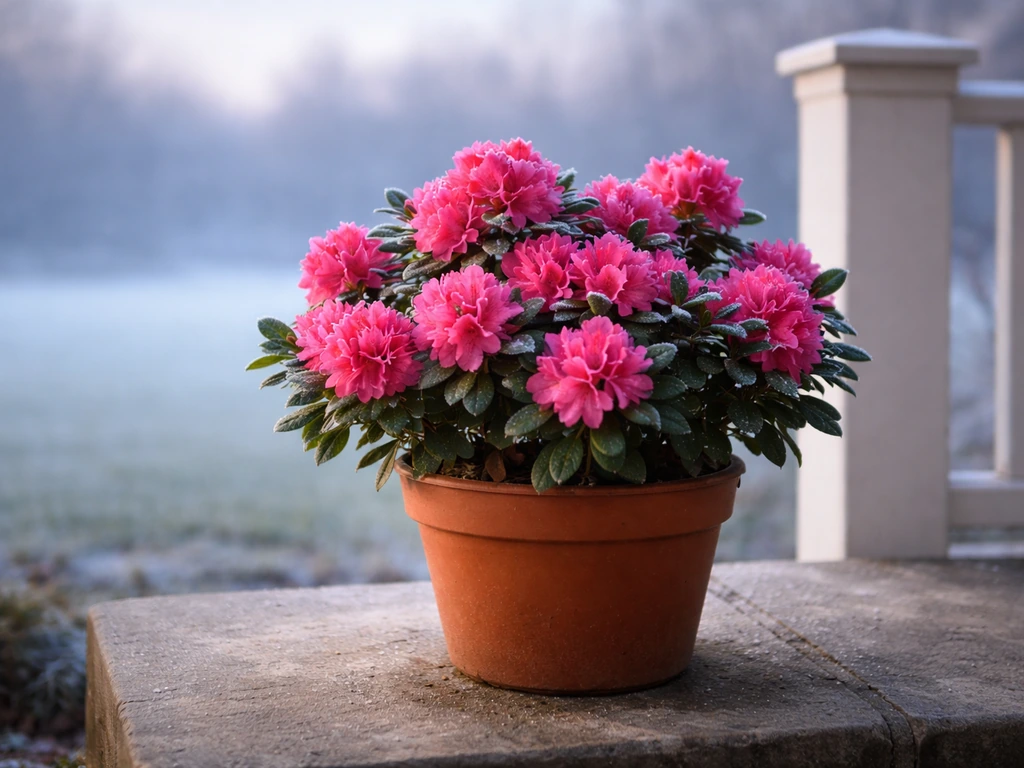
A second cold-related killer that doesn't get enough attention is winter desiccation. Azaleas, like their rhododendron relatives, can dry out badly during cold, windy Illinois winters even when temperatures aren't record-breaking. The foliage (especially on evergreen types) keeps losing moisture while the frozen ground prevents roots from replenishing it. You end up with brown, crispy branches in spring that look cold-killed but were actually dried out. This is especially common on exposed sites in central and northern Illinois.
Which azaleas actually work in Illinois
The single most important decision you'll make is choosing between deciduous azaleas and evergreen azaleas. For northern and central Illinois, deciduous hardy azaleas are the clear winner. They drop their leaves in fall, which eliminates the desiccation problem entirely, and many are rated to zone 4 or even zone 3. Native species like the flame azalea (Rhododendron calendulaceum) and pinxterbloom azalea (R. periclymenoides) evolved in eastern North America and handle temperature swings that would destroy most evergreen imports.
For cultivated varieties, the Northern Lights series developed by the University of Minnesota is the gold standard for Illinois zone 5 and 6 gardens. Varieties like 'Rosy Lights', 'White Lights', 'Orchid Lights', and 'Northern Hi-Lights' are hardy to zone 4 and have proven themselves through some genuinely nasty Midwest winters. The Lights series blooms reliably in late spring and gives you that classic azalea flower show without the winter anxiety.
Evergreen azaleas are more of a southern Illinois proposition. In zones 6b and 7, Encore azaleas (which also rebloom in fall) and some Gable and Robin Hill hybrids can work well. In zone 6a and colder, evergreen types are risky unless you're in a very sheltered microclimate. If you're in Chicago or the northern suburbs and someone at a garden center tries to sell you a standard evergreen azalea rated only to zone 7, walk away.
| Azalea Type | Zone Range | Best for Illinois Region | Winter Risk |
|---|---|---|---|
| Northern Lights series (deciduous) | Zone 4-8 | Northern, central, and southern IL | Very low |
| Native deciduous (flame, pinxterbloom) | Zone 4-9 | Statewide | Very low |
| Encore azaleas (evergreen) | Zone 6-9 | Southern IL (zones 6b-7) | Moderate in zone 6 |
| Gable/Robin Hill hybrids (evergreen) | Zone 5b-8 | Central and southern IL | Moderate in zone 5b |
| Standard evergreen (Kurume, Southern Indian) | Zone 7-9 | Far southern IL only | High in zones 5-6 |
Where to plant for the best shot at success
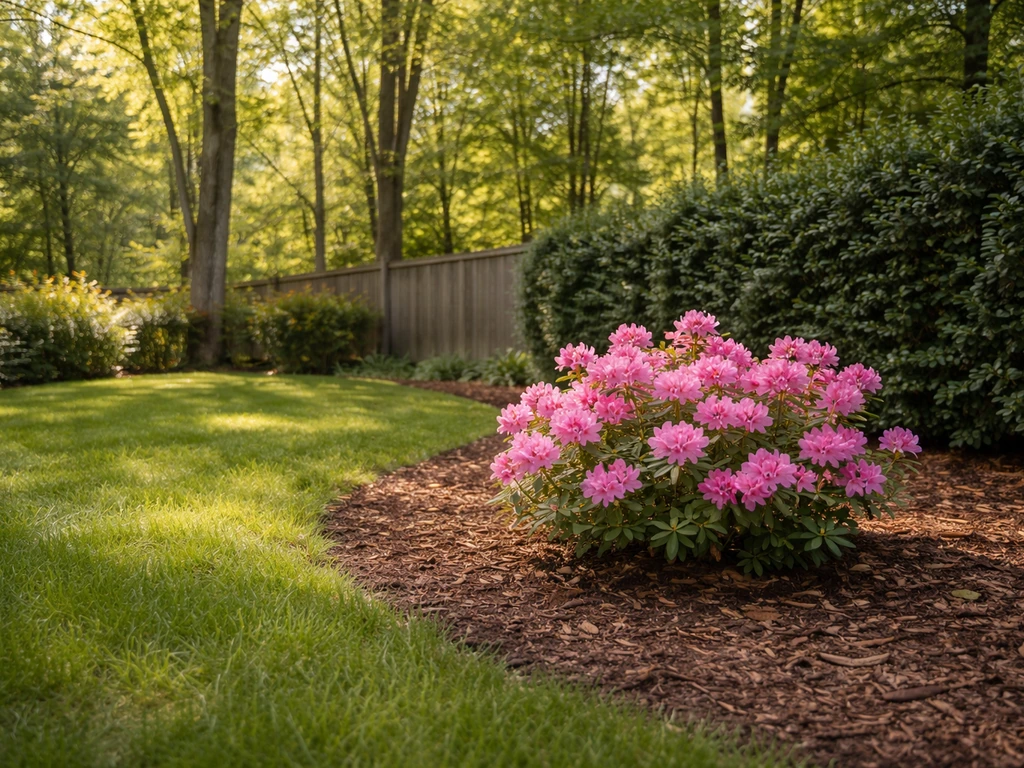
Site selection in Illinois is almost as important as cultivar choice. Azaleas want dappled shade or morning sun with afternoon shade. Full sun in a hot Illinois summer will scorch the foliage and stress the plant heading into fall, making it more vulnerable to winter damage. A spot under high deciduous trees, or on the east side of a building, is nearly ideal: good morning light, shelter from harsh afternoon sun, and overhead protection that reduces frost severity slightly.
Wind protection is critical in the northern two-thirds of the state. A fence, hedge, or building on the northwest side of your azalea planting dramatically reduces desiccation damage over winter. This isn't just a nice-to-have. I've seen zone 5-rated deciduous azaleas planted in an open, wind-exposed yard get stripped and killed by February drying winds, while the same variety planted six feet away on the sheltered side of a garage came through perfectly fine. The microclimate inside your yard can matter as much as your hardiness zone number.
Avoid low spots and poorly drained areas. Azaleas have shallow root systems and are very sensitive to waterlogged soil, especially in late fall and early spring when freeze-thaw cycles are most damaging. A slightly elevated bed or a gentle slope is much better than a flat, clay-heavy low spot.
Soil pH: the thing Illinois gardeners most often get wrong
This is where a lot of Illinois azalea plantings fail quietly over time rather than dying dramatically in winter. Azaleas need acidic soil, with a pH between 4.5 and 6.0, ideally around 5.0 to 5.5. Much of Illinois, especially in the central and northern regions, has naturally alkaline or neutral soil with pH readings of 6.5 to 7.5 or higher. When azaleas are planted in soil that's too alkaline, they can't absorb iron and manganese properly, leading to chlorosis: leaves turn yellow while the veins stay green. The plants look sick, bloom poorly, and gradually decline even if everything else is right.
Before you buy a single azalea, get a soil test. Your local University of Illinois Extension office offers affordable testing and will give you specific amendment recommendations for your soil. A basic test costs under $20 and will tell you your current pH and nutrient levels. Don't skip this step and assume your soil is fine.
If your soil pH is too high, you can lower it by working elemental sulfur into the bed before planting. The amount depends on your current pH and soil type, but as a rough guide, sandy soils need about 1 pound of sulfur per 100 square feet to drop pH by one unit, while clay soils may need two to three times that. Acidic mulches like pine bark or pine needles help maintain pH over time. You can also use acidifying fertilizers (ammonium-based) during the growing season. If your soil is very heavy clay or has a pH above 7.5, raised beds filled with an acidic mix of peat, compost, and perlite are often a more practical solution than trying to amend in-ground soil indefinitely.
Planting and seasonal care basics
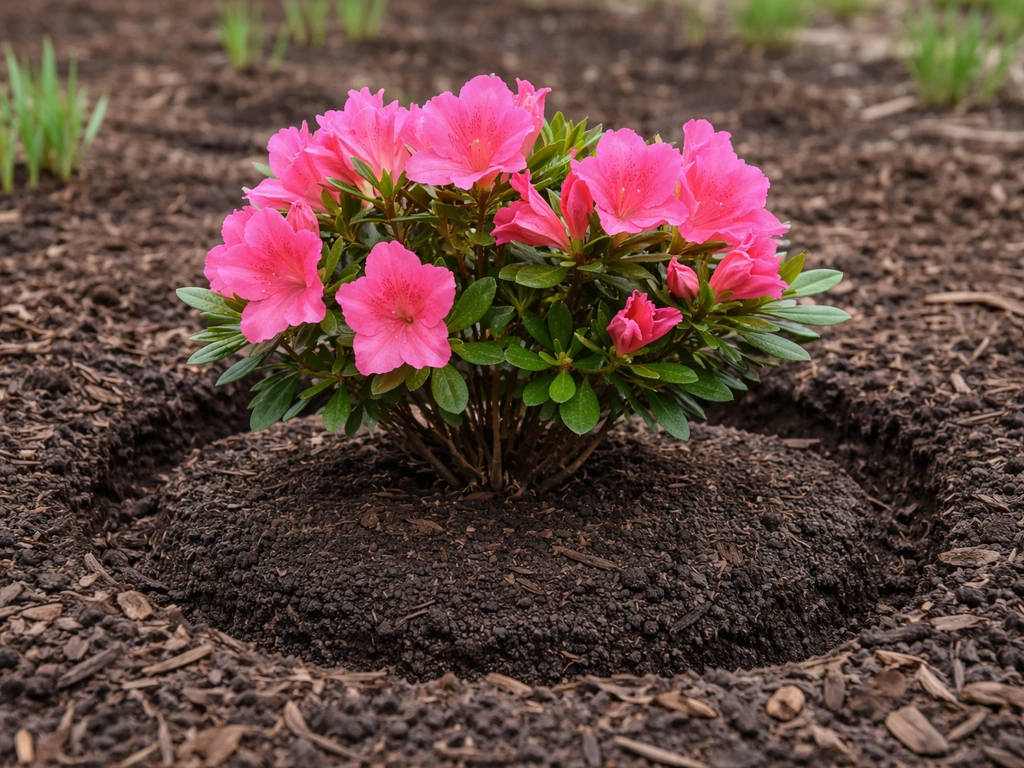
Spring planting (late April through May) is the best timing in Illinois. This gives azaleas a full growing season to establish before facing their first winter. Fall planting is possible in zones 6b and 7, but in northern Illinois it's risky because plants need time to anchor their root systems before the ground freezes.
Plant azaleas at or very slightly above the surrounding soil grade. Planting too deep is one of the most common mistakes and causes root rot. The root ball should barely peek above the surrounding soil level, not be buried. Backfill with a mix of your native soil and acidic organic matter like peat or composted pine bark.
Mulching is non-negotiable for Illinois azaleas. Apply 3 to 4 inches of pine bark mulch, pine needles, or shredded oak leaves around each plant, keeping mulch a couple of inches away from the stem. Mulch insulates roots from freeze-thaw cycles, conserves moisture, and slowly acidifies the soil as it breaks down. Refresh it every spring.
Watering matters most in late summer and fall. Heading into winter with well-hydrated roots and stems is one of the best defenses against winter desiccation. Water deeply through September and into October if fall rainfall is light. Then stop watering once the ground freezes. In spring, check soil moisture as soon as the ground thaws and water if conditions are dry.
Fertilize lightly in early spring, just as new growth begins, using an acid-forming fertilizer formulated for azaleas or rhododendrons. Don't fertilize after July. Late-season feeding pushes tender new growth that gets killed by early frosts and weakens the plant going into winter.
The problems Illinois gardeners run into most
Winterkill
The classic failure mode in Illinois is a plant that looks fine for two or three seasons, then gets wiped out in a particularly cold or windy winter. This almost always comes down to choosing a cultivar with insufficient cold hardiness for your specific zone, or planting in an exposed location. If you're in zone 5 or 6, only buy cultivars explicitly rated for those zones, not zone 7 plants that a catalog describes vaguely as 'cold hardy.'
Chlorosis from alkaline soil
Yellow leaves with green veins on azaleas in Illinois are almost always iron chlorosis caused by soil pH that's too high. The fix is lowering pH, not applying iron supplements (which are a temporary patch at best). Test your soil, amend it properly, and use acidic mulch consistently. If you've already got a chlorotic plant, a foliar spray of chelated iron can green it up quickly while you work on fixing the root cause in the soil.
Pests and diseases
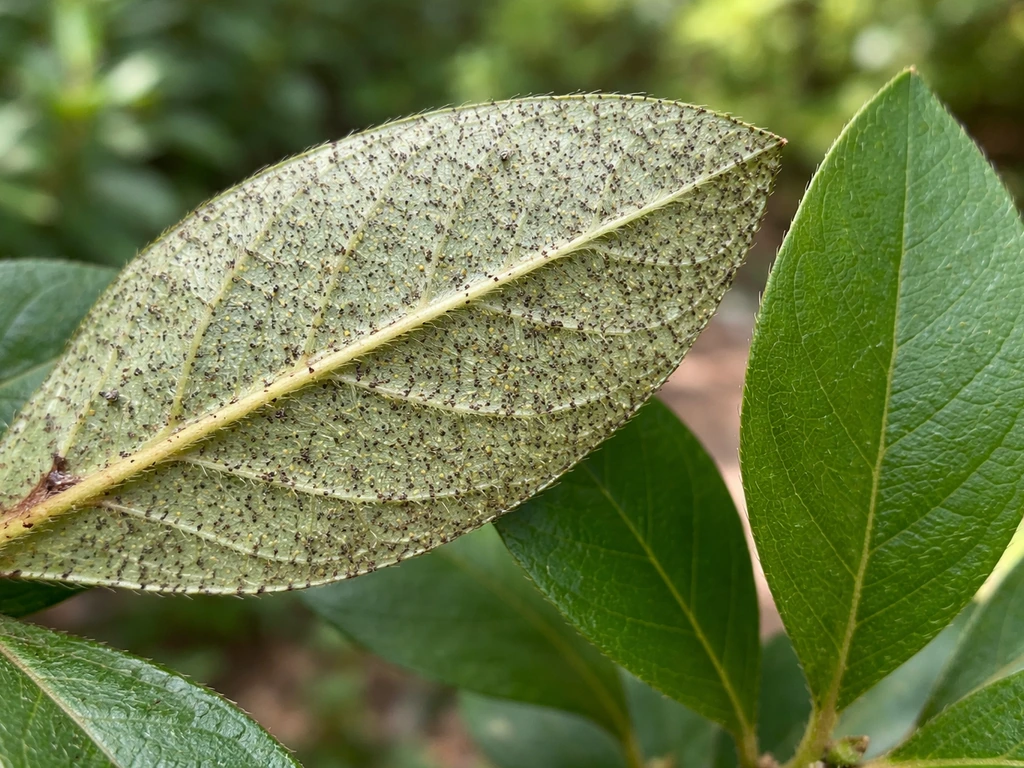
Azalea lace bugs are the most common pest problem in Illinois, especially on plants in full sun. They feed on the undersides of leaves, leaving the top surface looking stippled and bleached. Moving a stressed plant to more shade often reduces lace bug pressure significantly, since shaded plants are less attractive to them. Insecticidal soap or neem oil sprays handle active infestations. Azalea bark scale, phytophthora root rot (in poorly drained soils), and powdery mildew are other issues to watch for, but they're manageable with good site selection and basic sanitation.
Should you buy azaleas for your Illinois yard? A quick checklist
Run through this before you pull out your wallet at the nursery. If you can check off most of these, you're in good shape. If several are no, consider whether the effort is worth it or whether a native alternative like itea, fothergilla, or native viburnums might serve you better with less trouble.
- Do you know your exact USDA hardiness zone? Look it up by zip code at planthardiness.ars.usda.gov before buying anything.
- Is the cultivar you're considering rated for your zone or colder? For northern Illinois (zones 5-6a), Northern Lights series or native species only. For central Illinois (zones 6a-6b), Lights series or cold-hardy evergreens like select Gable hybrids. For southern Illinois (zones 6b-7), you have more options including Encore types.
- Have you tested your soil pH? Target 4.5 to 6.0. If it's above 6.5, have a plan for amending before you plant.
- Do you have a sheltered planting spot with morning sun and afternoon shade, protected from northwest winds?
- Is the site well-drained? No low spots, no clay-heavy soil that stays wet after rain.
- Are you prepared to mulch 3 to 4 inches deep every spring and water deeply going into fall?
- If your soil pH is very high (above 7.0) or you have heavy clay throughout, are you willing to build a raised bed with amended acidic soil rather than planting in-ground?
Illinois gardeners in other nearby states face similar questions. Gardeners in Michigan, Minnesota, and Wisconsin deal with comparable cold-hardiness challenges when growing azaleas, and the same cultivar logic applies across the upper Midwest. If you’re also wondering will azaleas grow in Wisconsin, the key is matching the right hardiness zone rating and protecting plants from winter wind and desiccation. If you’re wondering can azaleas grow in Minnesota, use the same approach: choose cold-hardy cultivars and protect them from winter wind and dry soil. In Michigan, the same logic applies: choose azaleas rated for your USDA zone, protect them from winter wind, and keep the soil acidic Gardeners in Michigan. Ontario gardeners also navigate the deciduous versus evergreen question based on local zone. If you're wondering, can you grow azaleas in Ontario, the same basics apply: pick hardy types for your local zone, plant with sun and wind protection, and keep the soil acidic. The principles here translate well across the region, though specific zone boundaries differ.
Bottom line: azaleas can absolutely grow and put on a beautiful show in Illinois, but they're not a plant-it-and-forget-it choice here the way they are in the Southeast. Pick the right hardy cultivar for your zone, fix your soil pH, shelter the plant from wind, and mulch consistently. Do those four things and you'll have azaleas that bloom reliably every spring for years. Skip them and you're gambling on the weather.
FAQ
How do I tell if my azalea is struggling from winter cold versus winter desiccation?
Cold-killed stems usually show dieback down to the bud tips, while desiccation often produces browning that looks crispy or papery, especially on evergreen foliage. A quick check in early spring is to scrape a thin section of bark on a few branches, living tissue is green under the surface, dead tissue is dry and brown. Desiccated plants also tend to look worse on the wind-exposed side.
If I buy a plant that says “hardy” at the nursery, is that enough for Illinois?
Not always. Look for an explicit USDA zone rating, not vague language like “tolerates cold” or “winter hardy.” For Illinois zone 5 and most of zone 6, prioritize cultivars rated to zone 4 or colder. If you only find a zone 7-rated evergreen azalea, assume it will be a high-risk bet in northern Illinois, even if it survives one mild season.
Can I grow azaleas in containers in Illinois, and will it improve my odds?
Yes, containers can help because you can control soil acidity and drainage, but you must protect the roots from freeze-thaw and the plant from drying winds. Use an acidic potting mix (not garden soil), ensure fast drainage, and insulate the pot in winter (burlap plus an insulating wrap). Also, evergreen types still need winter watering on days when the ground is thawed, but never waterlogged conditions.
What’s the best way to water azaleas in fall without encouraging rot?
Water deeply in late summer and fall so the root zone is evenly moist, then stop once the ground freezes to prevent waterlogged soil during cold periods. Avoid frequent light sprinkling that keeps the surface wet but leaves the deeper roots dry. If you have heavy clay, consider a raised bed or amend drainage so water drains before freeze-thaw cycles.
How long should I wait before replacing an azalea that hasn’t bloomed yet?
Give a newly planted azalea one full growing season to establish, then evaluate bloom the following spring. If it has leaves but no flowers after the second year, the most common causes are improper light (too much sun or too much shade), wrong pruning or winter dieback, or soil pH that’s drifting too high. For recurring no-bloom, always recheck soil pH with a fresh test rather than guessing.
Do azaleas need pruning in Illinois? If yes, when?
Minimal pruning is usually best, mainly to remove dead or damaged wood after winter and to shape lightly right after flowering. Avoid heavy pruning or cutting back in late summer, that can remove flower buds and also forces new growth that can be injured by early frosts.
What’s the correct mulch choice, and can mulch accidentally cause problems?
Pine bark or pine needles are ideal because they help maintain an acidic, loosely textured surface. Keep mulch a couple of inches away from the stem, because piled mulch against the crown can promote rot and pest issues. Use the stated depth (about 3 to 4 inches), and refresh annually, overly thick layers can stay too wet in winter in poorly drained spots.
My azalea has yellow leaves with green veins, do I just apply iron?
Don’t rely on iron alone. Yellow leaves with green veins generally indicates iron availability is blocked by soil pH that’s too high. The longer-term fix is lowering and maintaining pH with elemental sulfur, acidic mulches, and correct amendments, then you can use chelated iron as a temporary cosmetic boost while the soil treatment takes effect.
How do I prevent lace bugs without constant spraying?
Start by reducing stress, lace bugs hit plants in full sun more aggressively. If possible, shift the plant toward morning light with afternoon shade or increase wind protection. You can also monitor undersides of leaves in spring, so you spray insecticidal soap or neem early when populations are small rather than waiting for heavy stippling.
Are there azalea alternatives if my site is too sunny or too windy?
If you cannot provide dappled shade and wind shelter, consider native plants that tolerate your conditions with less year-to-year risk. Options mentioned in the article include itea, fothergilla, and native viburnums, but the best match still depends on your sun hours and soil drainage. The key is choosing species that fit your microclimate, not just your USDA zone.