The quick Michigan verdict
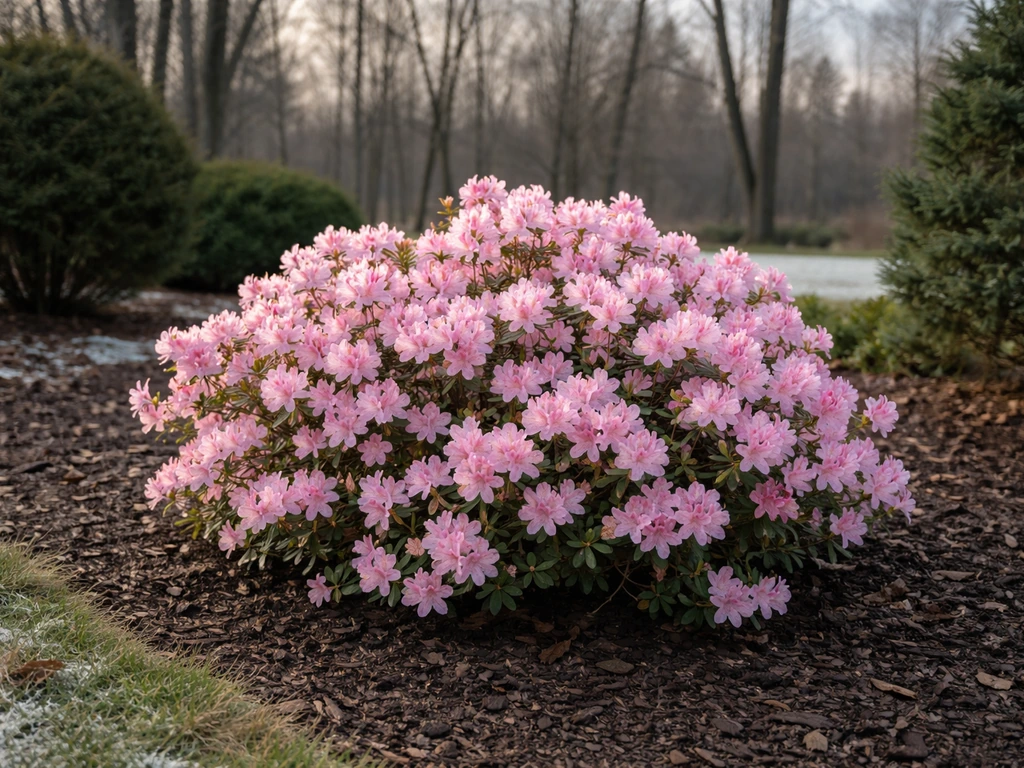
Yes, azaleas can grow in Michigan, but the answer comes with some important geography attached. In southern Michigan (zones 6a and 6b), you have solid options and a reasonable chance of success with the right varieties. In central and northern Michigan (zones 5a through 5b), it's doable but you need to be intentional about which cultivars you pick and where you plant them. In the Upper Peninsula (zones 4a through 5a), azaleas become a real gamble unless you're in a sheltered microclimate or committed to treating them almost like annuals. The deciding factor isn't whether azaleas like Michigan summers, it's whether they can survive Michigan winters. Get that part right, and you've solved most of the puzzle.
How Michigan's zones and regions shake out for azaleas
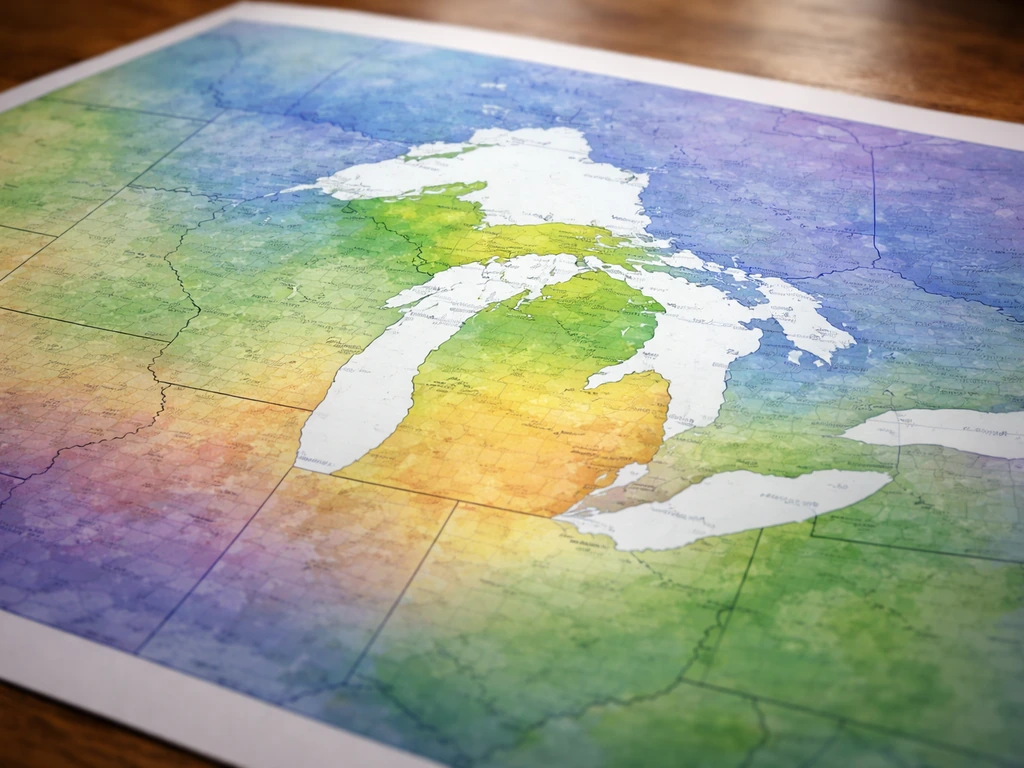
Michigan spans USDA Plant Hardiness Zones 4a through 6b, which is a pretty dramatic range for one state. The 2023 USDA hardiness zone map breaks this down based on 30-year averages (1991 to 2020) of the lowest annual extreme minimum temperatures, so it's a reliable planning tool even though it doesn't capture every brutal outlier winter. Here's how the regions generally stack up:
| Michigan Region | Typical Zone(s) | Approx. Winter Low | Azalea Feasibility |
|---|
| Upper Peninsula | 4a–5b | -30°F to -10°F | Very risky; only the hardiest deciduous types in sheltered spots |
| Northern Lower Peninsula | 5b | -15°F to -10°F | Challenging; hardy deciduous azaleas only, protected sites |
| Central Lower Peninsula | 5a–6a | -20°F to -5°F | Workable with right cultivar selection and site prep |
| Southern Lower Peninsula | 6a–6b | -10°F to 5°F | Good odds with both hardy deciduous and some evergreen types |
| Lake Michigan coastal areas | 6a–6b (moderated) | Warmer than inland equivalents | Best azalea territory in the state |
The Lake Michigan shoreline effect is real and worth knowing about. The lake moderates temperatures enough that coastal communities in southwest Michigan often behave more like zone 6b than their inland neighbors. If you're in Benton Harbor, St. Joseph, or the Traverse City area, you're working with a meaningful advantage compared to someone an hour inland. Gardeners in those pockets can push toward varieties that would struggle just 30 miles east.
Picking the right azalea types and cultivars for Michigan winters
This is the most important decision you'll make. Not all azaleas are created equal when it comes to cold hardiness, and the difference between a plant that dies back to the ground every February and one that blooms beautifully every spring comes down almost entirely to cultivar selection.
Deciduous azaleas: your safest bet in most of Michigan
Hardy deciduous azaleas are the workhorses for Michigan gardens. They drop their leaves in fall, which actually helps them handle cold better than their evergreen cousins. The Northern Lights series, developed by the University of Minnesota specifically for cold climates, is arguably the most reliable group you can plant anywhere from central to northern Michigan. These are genuinely zone 4 and 5 hardy, rated to about -40°F in some cases.
Varieties like Rosy Lights, White Lights, Lemon Lights, and Northern Hi-Lights are well-proven in Upper Midwest conditions. For southern Michigan, you have even more options, including the Exbury and Knap Hill hybrids, which put on a spectacular late-spring show with large, fragrant blooms in shades of orange, yellow, red, and pink.
Evergreen azaleas: possible but zone-limited
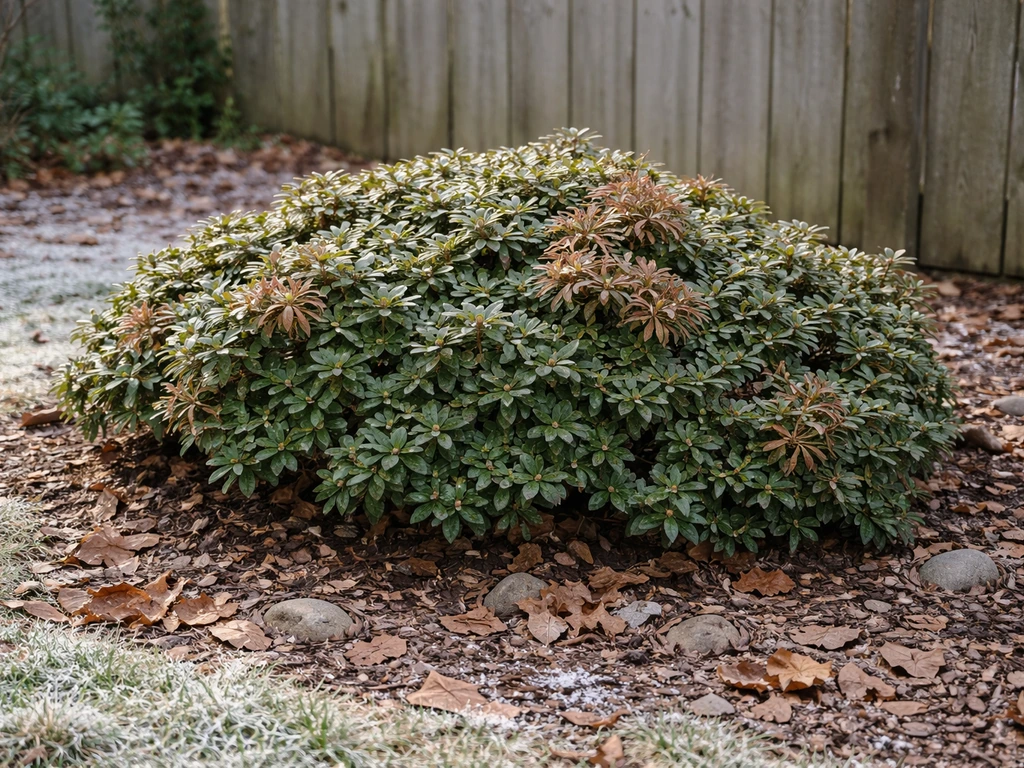
Evergreen azaleas (the classic low, mounding type you see in photos of Southern gardens) are cold-hardiness challenged in Michigan. Most traditional evergreen azalea varieties top out at zone 6, meaning they're a reasonable bet in the warmest corners of southwest and southeast Michigan but a poor choice for anything north of I-94 or inland. The PJM rhododendrons (which are close cousins) handle Michigan better than most evergreen azaleas and are sometimes worth considering as an alternative in colder zones. If you're in zone 6b and determined to try an evergreen type, look for 'Stewartstonian,' 'Karen,' or cultivars in the Robin Hill group, which have shown better cold tolerance than many others.
Quick cultivar reference by zone
| Zone | Recommended Cultivars/Series | Type | Notes |
|---|
| 4a–5a (UP, far northern LP) | Northern Lights series (Rosy Lights, Lemon Lights) | Deciduous | Most reliable; bred for extreme cold |
| 5b (Northern Lower Peninsula) | Northern Lights series, Exbury hybrids in sheltered spots | Deciduous | Protect from wind; avoid open exposed sites |
| 5b–6a (Central Lower Peninsula) | Exbury/Knap Hill hybrids, Northern Lights | Deciduous | Broader selection; still avoid tender evergreen types |
| 6a–6b (Southern Lower Peninsula) | Exbury, Knap Hill, Robin Hill, Stewartstonian | Deciduous & some evergreen | Best selection; lake-effect areas especially favorable |
Site and planting choices that actually move the needle
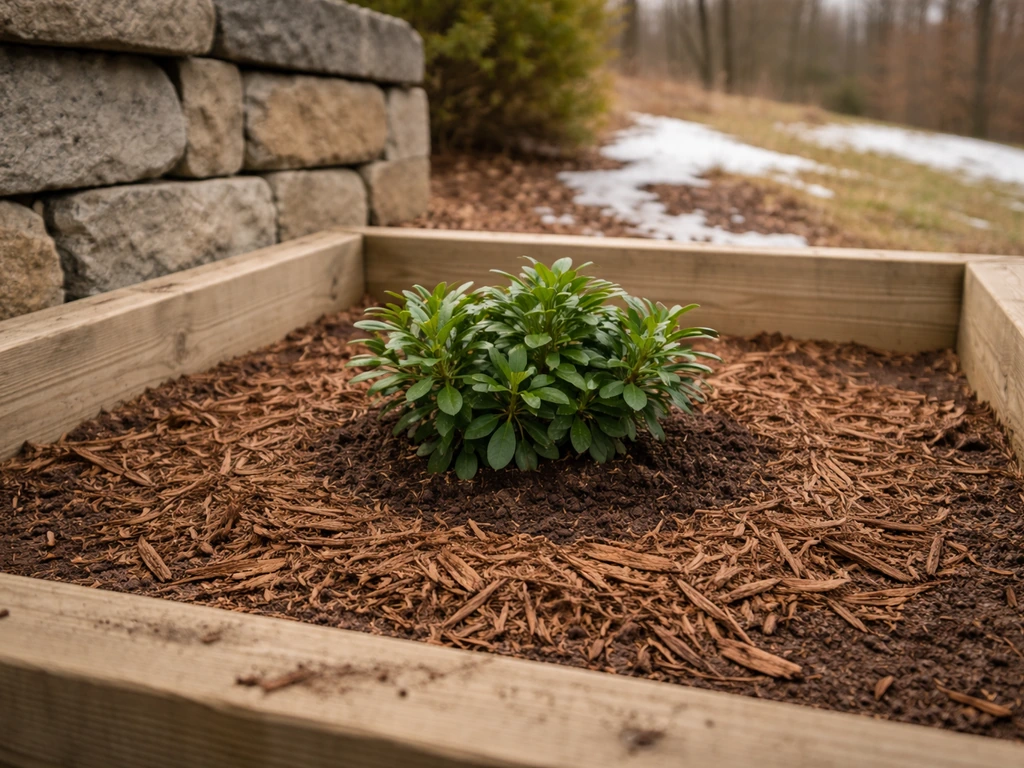
Even a perfectly hardy cultivar will struggle if you plant it in the wrong spot. In Michigan, where cold, wind, and late frosts are all threats, site selection is the second most important decision after cultivar choice.
- North or northeast facing slopes and walls protect against the late-winter freeze-thaw cycles that damage buds more than deep cold alone. The south-facing wall trick that works in many climates can actually backfire here by warming buds early and making them vulnerable to the last hard frost.
- Windbreaks matter. Desiccating winter winds pull moisture from evergreen leaves and buds faster than roots can replace it when the ground is frozen. A fence, building, or row of evergreens to the north and west provides meaningful protection.
- Acidic, well-drained soil is non-negotiable. Azaleas need a soil pH between 4.5 and 6.0. Michigan soils vary widely, but many areas in the Lower Peninsula have naturally acidic soils. Test before you plant, and amend with sulfur or acidic organic matter like pine bark if needed.
- Dappled shade is ideal. Full shade reduces flowering; full sun in Michigan's hot July and August stresses plants and increases winter injury. A spot that gets morning sun and afternoon shade, or light filtered sun under tall trees, hits the sweet spot.
- Mulch heavily in fall. A 3- to 4-inch layer of shredded bark or pine needles over the root zone insulates the soil, moderates temperature swings, retains moisture, and slowly acidifies the soil as it breaks down. This one step makes a measurable difference in winter survival.
- Avoid low spots and frost pockets. Cold air sinks, and Michigan's rolling terrain means frost pockets are common. Planting in a low-lying area in an already-cold zone is asking for trouble.
If you're in a zone 5 area and pushing the limits a bit, wrapping plants with burlap in late November (not plastic, which traps moisture) can protect buds and foliage through the worst cold snaps. It's extra work, but gardeners in the Traverse City area report it makes a real difference with borderline-hardy varieties.
What Michigan problems actually look like, and why they happen
If your azalea isn't performing well in Michigan, the issue almost always traces back to one of a handful of predictable problems. WSU Extension’s Hortsense fact sheet specifically addresses azalea root rot caused by Phytophthora. Knowing what to look for saves a lot of frustration.
- Winter dieback: Brown, dead stems and branches in spring are the most common complaint. This usually means the variety wasn't cold-hardy enough for your zone, the plant was in a wind-exposed spot, or the soil dried out going into winter. If only the tips are dead, prune them back to healthy wood. If the whole plant is brown but the crown looks alive at the base, wait until late May before giving up completely. Some azaleas resprout from the root zone even after heavy dieback.
- Bud death without branch death: You get live green growth but no flowers in spring. This is classic late-frost bud damage. The plant survived winter, but buds formed too early and got hit by a March or April frost. This is more likely with plants in south-facing or very warm microclimates. Solution: choose a slightly shadier, cooler spot that doesn't push bud development as early.
- Yellow leaves (chlorosis): Yellowing between the veins on newer leaves is almost always iron chlorosis caused by soil pH that's too high (alkaline). This is common in parts of Michigan with limestone-heavy soils. Acidify the soil and the problem clears up. A soil test will confirm.
- Poor growth and sparse flowering over multiple years: Often a combination of wrong soil pH, too much shade, or planting a borderline-hardy variety that's expending most of its energy just recovering from winter rather than putting on a good show. Re-evaluate all three factors.
- Root rot: Poor drainage combined with Michigan's wet springs is a killing combination. Azaleas are extremely susceptible to phytophthora root rot. If you're in a site that holds water, either build a raised planting bed or choose a different location entirely.
What to do right now before you buy
Here's the practical sequence I'd walk through if I were deciding whether to plant azaleas in a Michigan yard today.
- Look up your exact USDA zone using your zip code on the USDA Plant Hardiness Zone Map website (updated 2023). Don't guess based on county. Microclimates mean your neighborhood could be a half-zone different from the town next to you.
- Match your zone to the right cultivar category. Zone 4 or 5: start with Northern Lights series deciduous types and don't deviate from that group until you have a proven track record in your yard. Zone 6: you have more flexibility, but still lean toward cold-proven deciduous types unless you're in a very sheltered, lake-moderated spot.
- Get a soil test before you plant anything. Your local Michigan State University Extension office can help with this. It's inexpensive and tells you your pH, organic matter, and what amendments you need. Planting azaleas in alkaline soil is one of the most common and preventable ways people waste money on these plants in Michigan.
- Walk your yard and identify the best microclimate. Look for spots with morning sun and afternoon shade, protection from north and west winds, good drainage, and slightly elevated ground to avoid frost pockets.
- Buy from a local nursery rather than a big-box national chain. Local independent nurseries in Michigan stock cultivars they know survive local winters. If the plant at a national retailer doesn't have a cold hardiness rating on the label, ask or skip it.
- Plan to mulch immediately after planting. Don't wait until fall. A good 3- to 4-inch mulch ring from day one gets the root zone established and protects against stress through the first summer.
Michigan is genuinely workable azalea territory, especially in the southern half of the Lower Peninsula. The gardeners who struggle are usually those who bought a pretty plant at a garden center without checking the hardiness zone rating, dropped it in a windy, alkaline spot, and wondered what went wrong. The ones who succeed paid attention to those two or three key decisions upfront.
If you're comparing notes with gardeners in neighboring states, the calculus is fairly similar: Wisconsin and Minnesota gardeners face the same cold-hardiness calculus (and Minnesota's winters are generally even harsher), while Illinois gardeners in the Chicago area and farther south often have an easier time with a wider variety range. For Illinois gardeners in the Chicago area and farther south, the same cold-hardiness and site-selection approach can make azaleas a realistic option. Can azaleas grow in Minnesota?
Can you grow azaleas in Ontario Can you grow azaleas in Ontario? Can you grow azaleas in Ontario? can you grow azaleas in ontario. If you choose cold-hardy cultivars and plan around winter conditions, they can Minnesota gardens.
For Michigan, the bottom line is simple: start with the right cultivar for your zone, blank" rel="noopener noreferrer">get the soil right, pick a sheltered spot, and azaleas can absolutely be part of a beautiful Michigan landscape. The same cold-hardy approach can help answer can azaleas grow in Minnesota, too azaleas can absolutely be part of a beautiful Michigan landscape.
MSU Extension’s “Understanding the MSU Soil Test Report” explains that soil test measurements guide recommendations such as liming considerations and that the advice depends on what the test reports MSU Extension’s “Understanding the MSU Soil Test Report” explains how soil test reports guide liming recommendations based on measurements. If you are asking will azaleas grow in Wisconsin, the same approach works: match hardy varieties to your USDA zone and protect plants from winter conditions.