
Yes, azaleas can grow in Minnesota, but the honest answer comes with a big asterisk: only certain types will actually survive a Minnesota winter, and where and how you plant them matters just as much as which variety you pick. Get those two things right and you can have azaleas blooming reliably every spring. Get them wrong and you will be replacing dead shrubs after the first January cold snap. This guide cuts through the confusion so you can make a smart decision before you spend money at the nursery. If you want to know whether azaleas can grow in Illinois, the same cold-hardiness and site protection rules apply, but you should match the variety to your local USDA zone can azaleas grow in illinois. If you are wondering can you grow azaleas in Ontario, the key is matching the right cold-hardy type to your specific climate and protecting the plants in winter.
Can Azaleas Grow in Minnesota? Cold-Hardy Guide

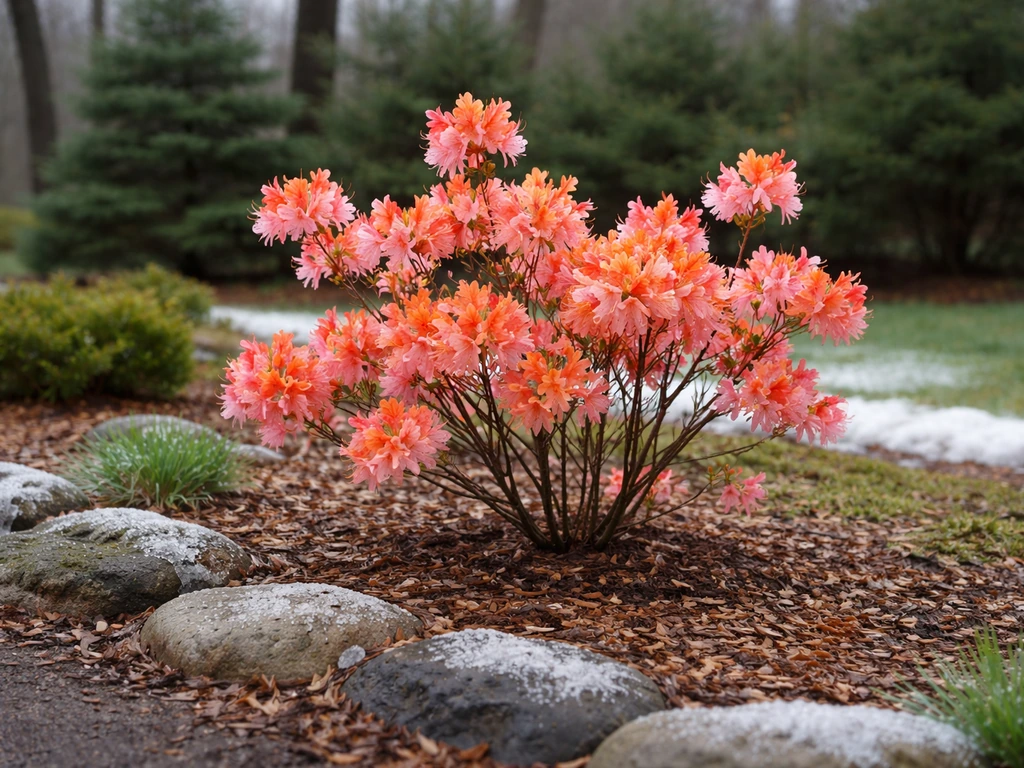
The quick answer for your Minnesota zone
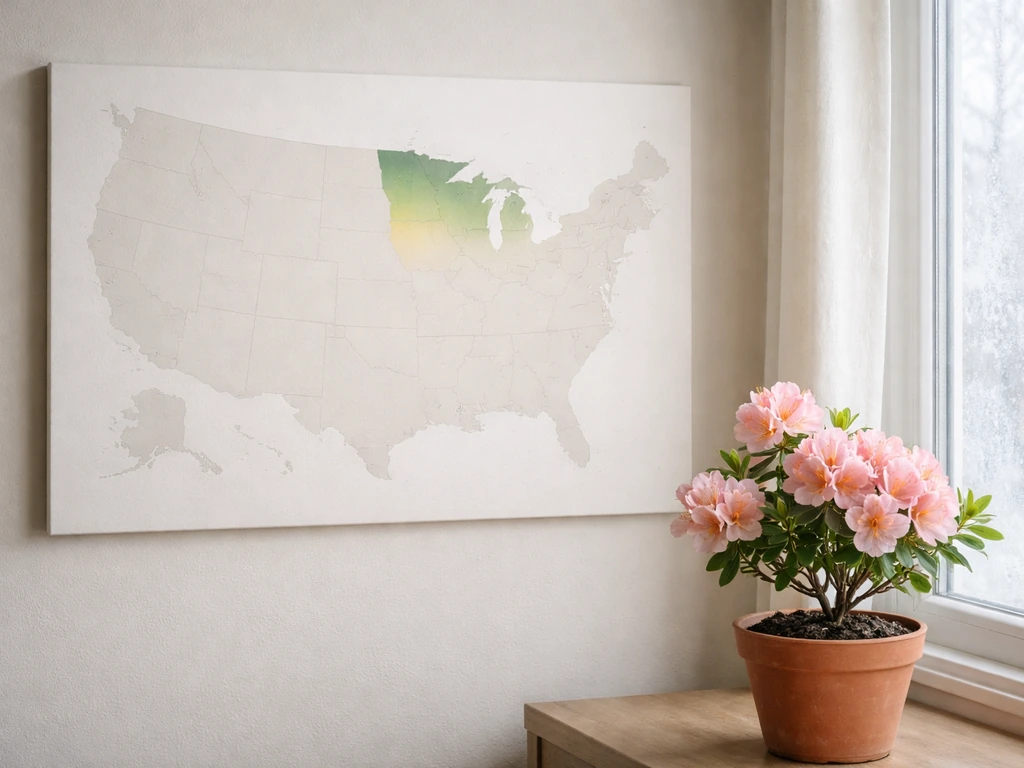
Minnesota spans roughly USDA hardiness zones 3b through 5b on the 2023 map, depending on where you live. The Twin Cities metro sits mostly in zones 4b to 5a. Northern Minnesota drops into zones 3b and 4a, while the southeastern corner near the Iowa border can reach zone 5b. The practical implication: most standard azaleas sold at big-box retailers are hardy only to zone 6 or 7, which makes them essentially annuals in most of Minnesota. The good news is that a specific group of cold-hardy deciduous azaleas, most famously the Northern Lights series developed right here at the University of Minnesota, is rated to zones 3 through 7. Those are your realistic go-to options. Evergreen azaleas are a much harder sell in this state and require very specific conditions to have a real chance.
Which azalea types actually belong in Minnesota
There are two major categories to think about: deciduous azaleas and evergreen azaleas. Deciduous azaleas drop their leaves in fall, go fully dormant, and generally handle cold far better than their evergreen cousins. Evergreen azaleas hold their leaves year-round, which sounds appealing but becomes a serious liability in Minnesota winters because those leaves keep losing water even when the ground is frozen solid.
Deciduous azaleas: your best bet
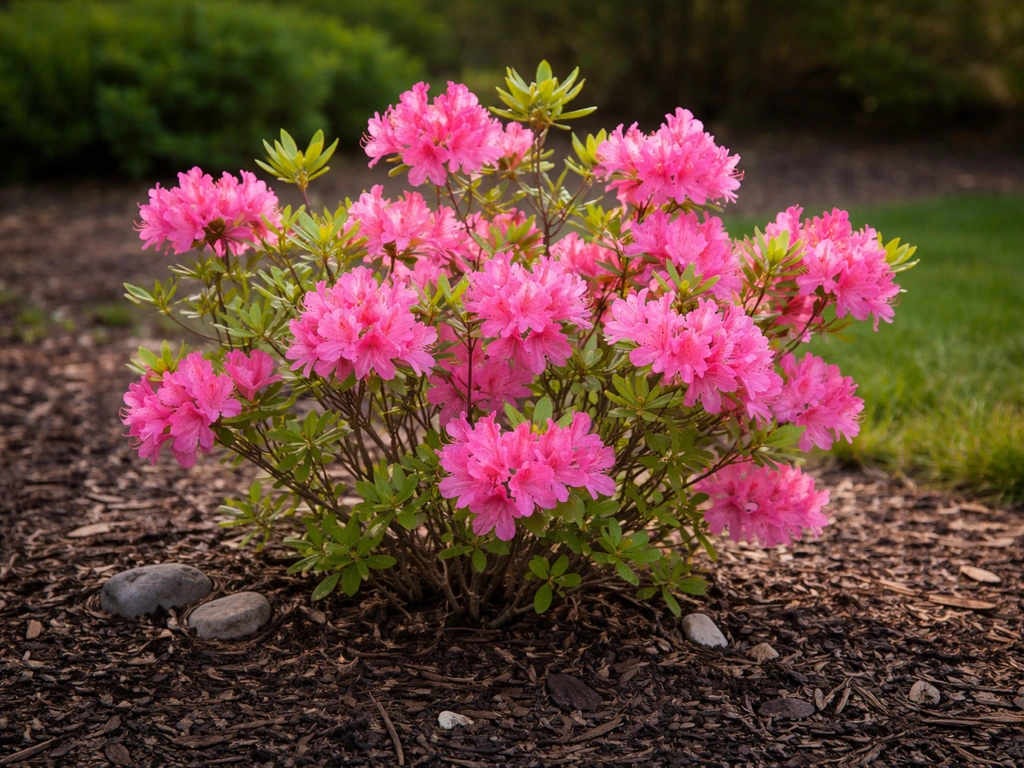
The Northern Lights series is the standout choice for Minnesota gardeners. Developed by University of Minnesota researchers, these hybrids were specifically bred for cold hardiness and are rated to zone 3. Named cultivars in the series include 'Northern Lights,' 'Rosy Lights,' 'White Lights,' 'Lemon Lights,' 'Mandarin Lights,' and 'Northern Hi-Lights,' among others. Most are cold-hardy to around minus 40 degrees Fahrenheit, which covers even the most brutal Minnesota winters. Some individual cultivars in the group are rated to zone 4, so check the tag when you buy. Beyond the Northern Lights group, some native deciduous species are worth considering. Rhododendron prinophyllum (roseshell azalea) and Rhododendron calendulaceum (flame azalea) are North American natives that can handle colder climates and bloom beautifully in late spring. They are harder to find at retail nurseries but worth seeking out at specialty growers.
Evergreen azaleas: possible in southern Minnesota with serious caveats
Evergreen azaleas are feasible only in the warmest pockets of Minnesota, primarily zone 5 areas in the southeast, and only with very protected planting sites. Even then, winter desiccation and bud kill are real annual risks. If you are in zone 4 or colder, I would skip evergreen azaleas entirely and put your energy into deciduous types. If you are in zone 5 and determined to try an evergreen, look for cultivars from the PJM or Erica groups, which have better cold tolerance than the popular Encore or Southern Indica types you see everywhere in warmer states. Gardeners in neighboring Wisconsin and Michigan face very similar tradeoffs with evergreen azaleas, and the conclusion is usually the same: deciduous wins in the upper Midwest. Wisconsin gardeners can use the same approach, focusing on cold-hardy deciduous types for the best odds. Because of that, the guidance here for evergreen azaleas in Minnesota also helps you decide whether to try them in Michigan Wisconsin and Michigan.
Why Minnesota winters are hard on azaleas
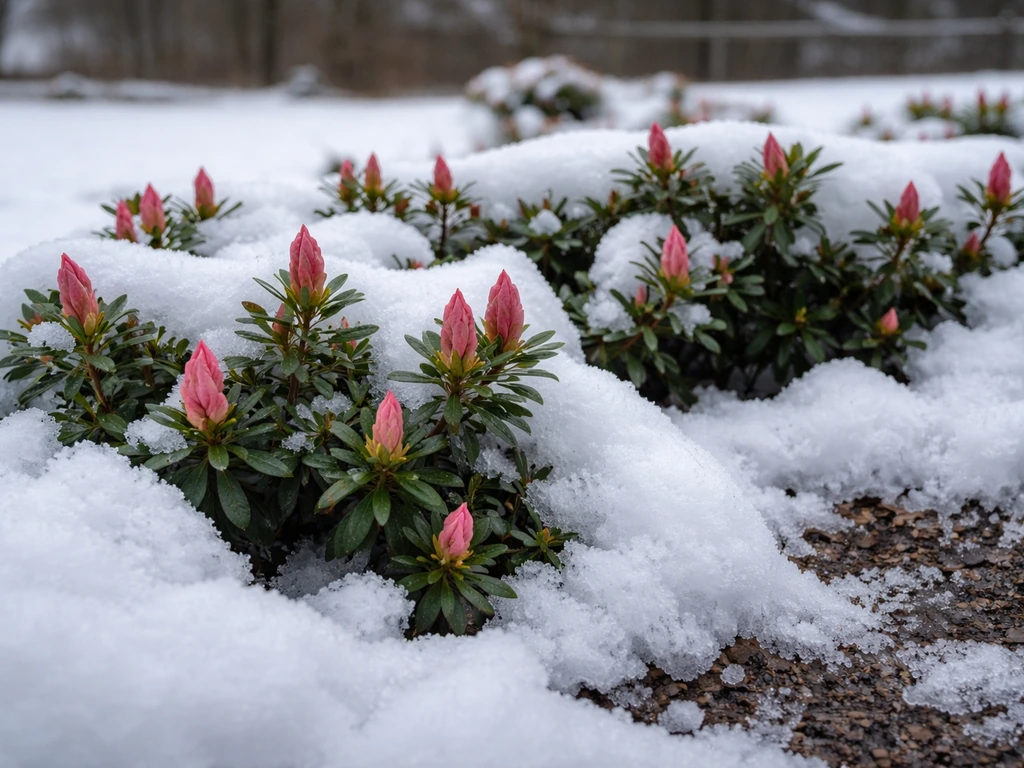
Minnesota averages around 110 days per year with at least an inch of snow cover, which actually helps azalea roots more than people realize. Snow acts as insulation, keeping soil temperatures more stable and reducing the depth that frost penetrates. The problem is that Minnesota winters also bring multiple freeze-thaw cycles, high winds, and periods of brutal cold where temperatures can plunge well below zero. Those conditions create a specific set of stresses that kill azaleas that are not truly cold-hardy.
Freeze-thaw cycles are particularly damaging. When temperatures yo-yo around the freezing mark repeatedly through winter and early spring, plants that started to break dormancy can get hit by a late hard freeze, destroying flower buds and sometimes killing stems back to the snow line. Wind is the other major killer. Cold, dry winter winds pull moisture out of any remaining leaves or green tissue faster than the plant can replace it from frozen soil. This desiccation stress browns and kills twigs and buds, and severe cases kill the whole plant. Deciduous azaleas are far less vulnerable to wind desiccation simply because they have no leaves to lose water through. Evergreen types face this risk every winter.
Site requirements that make or break success in Minnesota
Even the hardiest Northern Lights azalea will struggle if you put it in the wrong spot. In Minnesota, site selection is genuinely the second most important decision after variety choice.
- Soil pH: Azaleas demand acidic soil in the range of pH 4.5 to 5.5. Most Minnesota soils are closer to neutral or slightly alkaline, so you will almost certainly need to test and amend. A simple soil test from the University of Minnesota Extension is worth doing before you plant anything. Sulfur is the standard amendment to lower pH, but it works slowly, so plan ahead.
- Drainage: Poorly drained or waterlogged soil is a death sentence for azaleas. They cannot tolerate wet feet, and Minnesota's spring snowmelt creates exactly that condition in low spots. Choose a site with good natural drainage or build a slightly raised bed.
- Sun and shade: Partial shade is ideal, particularly afternoon shade that protects plants from intense summer heat and, for evergreen types, from winter sun that warms foliage and triggers water loss on cold days. A spot with morning sun and dappled afternoon shade under the canopy of tall deciduous trees is close to perfect.
- Wind protection: Site azaleas on the sheltered side of a structure, fence, or established evergreen hedge. North and northwest exposures in Minnesota get the worst winter wind, so a south or east-facing location with a windbreak on the northwest side is the target.
- Organic matter: Azaleas thrive in loose, organic, well-drained soil. Working in generous amounts of peat moss, pine bark fines, or composted pine needles at planting time helps both drainage and acidification.
When and how to plant azaleas in Minnesota
Spring planting after the last frost, typically mid-May in the Twin Cities and later in northern Minnesota, gives plants the maximum growing season to establish roots before winter. Fall planting is possible but riskier because young plants have less time to anchor before freeze-up. If you do plant in early fall, aim for at least six weeks before your first hard frost to give roots a chance to settle in.
- Test your soil pH and amend with sulfur several months before planting if possible, or work acidifying organic material into the planting hole at the time of planting.
- Dig a hole twice as wide as the root ball but no deeper. Azaleas are shallow-rooted and should be planted at or very slightly above the surrounding soil grade to avoid water pooling.
- Mix the backfill with peat moss or pine bark fines at roughly a 50/50 ratio to improve both drainage and acidity.
- Set the plant so the top of the root ball is at or just above grade, then backfill and firm gently.
- Water thoroughly at planting and keep the root zone consistently moist through the first growing season.
- Apply a 2 to 3 inch layer of organic mulch (shredded pine bark or pine needles work well) around the plant, keeping mulch a few inches away from the stem to prevent rot.
- Before the ground freezes in late fall, give the plant a deep, thorough watering. This is especially important for any evergreen types. Going into winter with adequately moist soil dramatically reduces desiccation risk.
Keeping azaleas healthy through Minnesota seasons
Watering and mulch through the year

Azaleas have shallow, fibrous root systems that dry out quickly. In Minnesota's variable summers, consistent moisture matters more than frequent fertilizing. Water deeply when the top inch of soil feels dry, especially during hot, dry spells in July and August. A 2 to 3 inch layer of organic mulch conserves moisture, moderates soil temperature, and slowly adds acidity as it breaks down, doing several jobs at once. Refresh the mulch layer each spring. In fall, after a few hard frosts but before the ground freezes, do one final deep watering. The Azalea Society of America specifically recommends this practice, and in Minnesota's climate it is not optional, it is essential.
Winter protection tips
For deciduous Northern Lights types, winter care is minimal once they are established. The main concern is protecting flower buds from late spring freezes, which is largely a matter of variety selection and not planting in a frost pocket. For evergreen azaleas in zone 5, consider wrapping plants loosely with burlap on a frame (not tight against the foliage) to reduce wind desiccation and shade them from winter sun. Anti-desiccant sprays applied in late fall offer some additional protection, though their effectiveness in severe Minnesota winters is modest at best.
Common problems to watch for
Azalea lace bugs are the most common pest problem in Minnesota landscapes. These tiny insects feed on the undersides of leaves, leaving a stippled, bleached appearance on the upper surface. Plants growing in more exposed, sunny spots tend to have worse infestations than those in partial shade, which is one more reason why choosing a sheltered, part-shade location is smart. blank" rel="noopener noreferrer">Insecticidal soap or horticultural oil applied when nymphs are active in early summer is an effective control, and reducing plant stress through proper siting helps long-term. The EF470 entomology guide for lace bug management also notes that eggs and nymphs hatch in late spring to early summer, and targets nymphs with insecticidal soap or horticultural oil for control blank" rel="noopener noreferrer">Insecticidal soap or horticultural oil applied when nymphs are active in early summer is an effective control.
Botrytis petal blight is a fungal disease that shows up in cool, wet springs, which describes a lot of Minnesota Aprils and Mays. Brown, water-soaked spots appear on flowers and gray-brown spore masses develop on infected tissue. Good air circulation around plants, prompt removal of infected flowers, and avoiding overhead watering all help prevent it from spreading. Keeping the planting area clean of dropped petals and dead leaves reduces the spore load going into the next season.
Cold injury and dieback are facts of life with any marginally hardy azalea in Minnesota. If you see dead tips or browned wood after winter, wait until new growth starts in spring before pruning. Dead wood often has live tissue below it, and cutting too early can remove more than necessary. Always scratch a stem before cutting to check for green tissue underneath.
Choosing varieties and knowing when to expect blooms
Bloom timing in Minnesota is compressed compared to warmer states. Most deciduous azaleas flower in May through early June, after leaf-out begins or just as it starts. Northern Lights series cultivars typically bloom mid- to late May in the Twin Cities, with variation of a week or two depending on the specific cultivar and the season. 'Northern Hi-Lights' is considered a late midseason bloomer, meaning late May to early June in Minnesota. Roseshell azalea (R. prinophyllum) blooms in late April to early May and is one of the earliest flowering hardy options. Flame azalea (R. calendulaceum) puts on a spectacular show with flowers that appear before or with the emerging leaves and last several weeks.
| Variety / Type | Hardiness Zone | Bloom Time (MN) | Deciduous or Evergreen | Notes |
|---|---|---|---|---|
| Northern Lights series (e.g., 'Rosy Lights', 'White Lights') | Zone 3–7 | Mid to late May | Deciduous | Best overall choice for Minnesota; U of MN bred |
| Northern Hi-Lights | Zone 3–7 | Late May to early June | Deciduous | Late midseason; creamy white with yellow blotch |
| Roseshell azalea (R. prinophyllum) | Zone 3–6 | Late April to early May | Deciduous | Native species; fragrant; early bloomer |
| Flame azalea (R. calendulaceum) | Zone 5–7 | Late May to June | Deciduous | Best in southern MN; vivid orange/red flowers |
| PJM / Erica group (evergreen) | Zone 4–5 | Early May | Evergreen | Only for zone 5 with protected site; winter risk high |
A realistic expectation for first-year plants is that they may not bloom at all while they are getting established. By year two or three, a well-sited Northern Lights azalea should give you a reliable bloom display each spring. If you plant one in a too-cold, too-exposed, or poorly drained spot, it may survive but bloom inconsistently as flower buds take the brunt of winter injury. Getting the site right from the start is the single biggest factor in whether you actually see flowers year after year.
If you are shopping this spring, look for Northern Lights series plants at independent garden centers rather than big-box stores. Specialty nurseries and mail-order growers that focus on cold-hardy shrubs are more likely to carry zone 3 and 4 rated cultivars and correctly labeled plants. Avoid anything simply labeled 'azalea' without a specific variety name and zone rating on the tag. Those generic plants are the ones most likely to disappoint after their first Minnesota winter.
FAQ
What azaleas should I buy if I want the best chance of flowers in Minnesota, not just survival?
Choose cultivars with a clear zone rating on the tag, ideally zone 3 or 4 hardy, and prioritize the Northern Lights series or other cold-hardy deciduous types. Survival alone often leads to weak or missing blooms because winter injury concentrates on flower buds.
How do I tell if my azalea is dying from winter cold versus just delayed spring growth?
Wait to assess until you see new green growth in spring, then do a simple scratch test on twigs and stems. If you find living green tissue under the bark, the plant likely survived and may still recover, so postpone pruning until after active growth starts.
Do azaleas need full sun in Minnesota to bloom well?
Not necessarily. In many Minnesota yards, part shade (especially afternoon shade) reduces winter wind stress and can also lower lace bug pressure. Full sun can work for well-sheltered spots, but if your plants sit open to winter winds, part shade is the safer choice.
Can I grow an azalea in a container on a patio or deck in Minnesota?
It is possible, but winter survival is harder because pot roots freeze more deeply. If you do container planting, use a large pot with excellent drainage, keep the root ball insulated (for example, buried in the ground or heavily mulched), and avoid drying out during freeze-thaw periods.
Should I protect my Northern Lights azalea with burlap every winter?
Usually not once established, because the key strengths are cold hardiness and deciduous winter behavior. Consider wind protection only for very exposed sites, and focus on preventing desiccation and bud injury rather than wrapping everything every year.
When is the best time to mulch and water for Minnesota azaleas?
Apply mulch in spring after growth begins or once the soil warms, and refresh the layer annually. For winter preparation, do a deep watering after several hard frosts but before the ground freezes, then stop additional watering so you do not encourage new vulnerable growth.
What soil pH and drainage do azaleas need in Minnesota?
Azaleas prefer acidic soil and fast drainage, since shallow roots dislike waterlogged conditions. If water sits after rain or the planting area stays soggy, correct drainage and soil mix before planting, otherwise root stress can cause poor bloom and winter dieback.
Why didn’t my azalea bloom in year one, even though it survived?
First-year plants commonly focus on establishing roots and may not produce flowers. Also double-check that you did not plant in too-cold, too-exposed, or poorly drained ground, because winter damage to flower buds can reduce blooms even if the shrub appears alive.
How can I reduce lace bugs without heavy insect use?
Minimize plant stress by placing azaleas in part shade and providing consistent moisture, then scout in early summer when nymphs are active. Early treatment with horticultural oil or insecticidal soap is usually more effective than waiting until damage is obvious on the leaves.
What should I do if I see browned tips or dieback after winter?
Do not prune immediately in late winter. Wait until new growth starts, then cut back only the dead portions. Use the scratch test to identify living tissue, and remember that a portion of the plant may recover if the base survived.
Can I use “any hardy azalea” as a substitute for Northern Lights in Minnesota?
Be careful. Many “hardy” azaleas are hardy only to warmer zones than Minnesota gardeners actually experience. Always match the cultivar name to a zone rating on the tag, and avoid generic labels that do not specify variety or cold tolerance.
Is fall planting a good idea in Minnesota?
It can work, but it is higher risk because young plants have less time to establish before freeze-up. If you plant in early fall, aim for at least six weeks before your first hard frost, and mulch appropriately to stabilize soil moisture and temperature.