
Chamomile can grow in tropical climates, but it's a short-lived, sometimes frustrating crop there rather than the easy self-seeding herb it becomes in cooler regions. German chamomile (Matricaria chamomilla) has the better shot of the two main types, especially if you plant during a cooler dry season when temperatures drop below 80°F. Roman chamomile (Chamaemelum nobile) is even less suited to persistent heat and humidity. Neither will thrive year-round in a true lowland tropical climate, but with the right timing and a little site management, you can absolutely get German chamomile to flower and give you a harvest before the heat shuts it down.
Can Chamomile Grow in the Tropics? Planting Tips
Marcus Hartwell
11 Jun 2026
What the tropics actually mean for chamomile
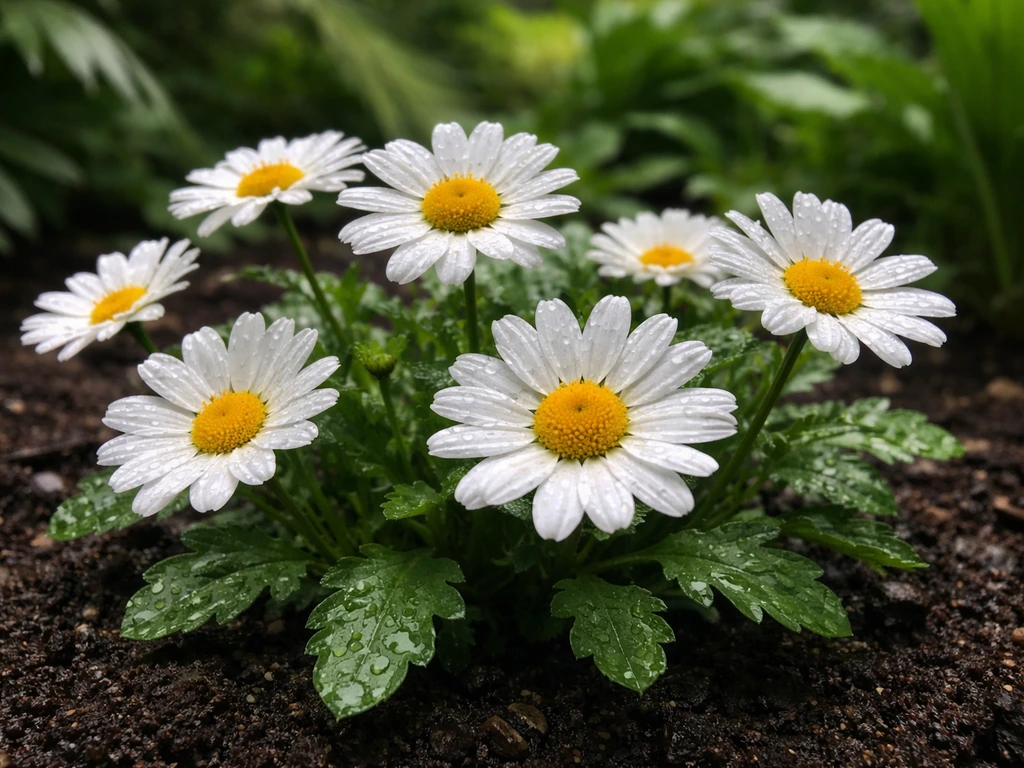
When gardeners ask whether a plant survives 'the tropics,' the real questions are: How hot does it stay at night? How humid is the air? Is there a cooler dry season, and how long does it last? Chamomile cares about all three. Daytime temperatures consistently above 80°F cause chamomile to bolt and rush to seed instead of flowering. Nights that stay warm (above 65–70°F) rob seeds of the cooler window they need to germinate well. Add persistent humidity and you have the perfect setup for damping-off, powdery mildew, and root rot.
Not all tropical climates are the same, though. Highland tropical zones, like parts of the Philippines, Java, Colombia, or East Africa above 1,000 meters, can dip into the low 60s°F at night and have a genuine cool season. Those areas give chamomile a real chance. Lowland tropical climates, think coastal Thailand, the Caribbean, or coastal West Africa, rarely cool enough for chamomile to do more than struggle through a few weeks before bolting. If your area has a recognizable dry season where nights reliably cool off, chamomile is worth trying. If every month averages above 75°F day and night, manage your expectations.
German vs. Roman chamomile: the difference matters here
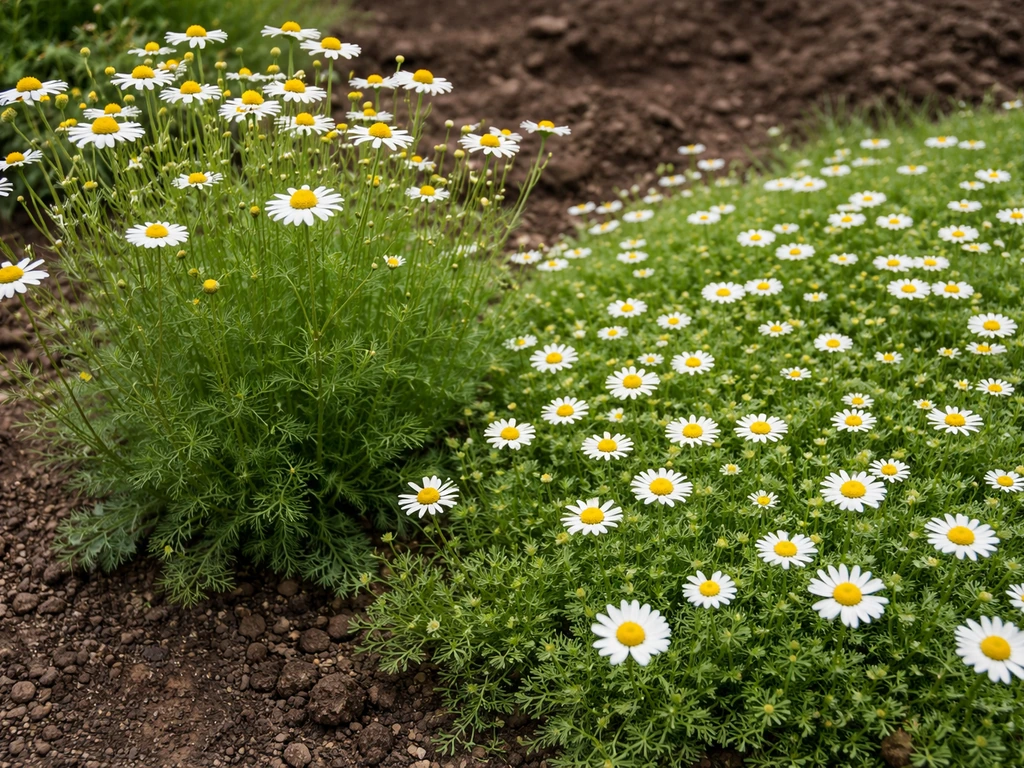
Most people searching for chamomile are thinking of the tea flower, which is German chamomile (Matricaria chamomilla). It's an annual, grows 18–24 inches tall, blooms prolifically, and reseeds itself in climates it likes. Because it's an annual, you're not asking it to survive year-round heat, just to complete a single life cycle during a cooler window. That flexibility is exactly why it handles tropical growing better than its cousin.
Roman chamomile (Chamaemelum nobile) is a low-growing perennial groundcover, mat-forming and spreading. It's built for temperate climates where it can stay in the ground year after year. In the tropics, that perennial habit works against it because it has to survive your hottest, wettest months rather than simply dying back like an annual would. Roman chamomile also tends to flower less reliably in heat, and some cultivars like 'Treneague' are specifically selected to not flower at all, making them poor choices if you want the classic chamomile bloom. For tropical gardens, German chamomile is almost always the better pick.
| Trait | German Chamomile (Matricaria chamomilla) | Roman Chamomile (Chamaemelum nobile) |
|---|---|---|
| Plant type | Annual | Perennial groundcover |
| Height | 18–24 inches | 3–6 inches (mat-forming) |
| Flower use | Primary tea/harvest flower | Less reliable flowering; some cultivars non-flowering |
| Heat tolerance | Moderate (bolts above 80°F) | Poor (struggles to persist through tropical summers) |
| Tropical feasibility | Possible during cool dry season | Generally not recommended for lowland tropics |
| Soil needs | Well-drained, lean soil | Average, well-drained soil; sensitive to waterlogging |
| Best tropical use | Short-season crop, treat as cool-season annual | Highland tropics only, as ornamental groundcover |
The bottom line on variety choice: if you're in a tropical climate and want chamomile flowers for tea or as a garden ornamental, plant German chamomile and treat it as a cool-season crop, not a permanent resident.
Honest feasibility check: when it works and when it won't
Here's a practical way to gauge whether chamomile is worth trying where you live. Ask yourself these questions before you spend money on seeds or transplants.
- Does your area have at least 6–8 weeks where daytime highs stay below 80°F? If yes, German chamomile can complete a flowering cycle.
- Do nighttime temperatures drop below 65°F during that cooler period? Cooler nights help germination and reduce fungal pressure.
- Is your dry season actually dry, with lower humidity? High humidity combined with heat is the most damaging combination for chamomile.
- Are you at elevation (above 800–1,000 meters)? If so, your climate is much more chamomile-friendly even if you're technically in the tropics.
- Do you have a raised bed or container with excellent drainage? Waterlogged, rich, or heavy tropical soils are a fast track to root rot.
If you answered yes to most of those, German chamomile is genuinely worth a try. If your climate is hot and humid year-round with no meaningful cool season, chamomile will likely germinate poorly, bolt within weeks, and succumb to fungal disease before you get a real harvest. That's not a reason to feel bad about your climate; it just means your gardening energy is better spent on plants that are actually built for where you live.
How to plant chamomile in a hot, humid climate
Timing is everything
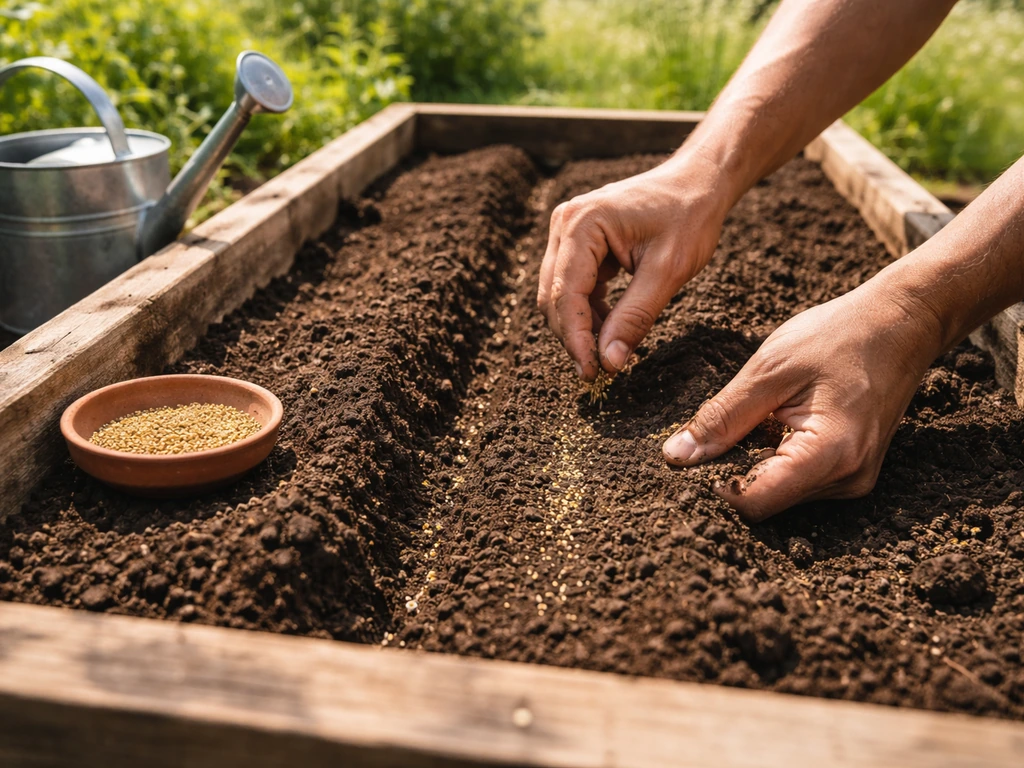
Plant at the start of your coolest, driest season. In many tropical regions, that means sowing seeds in October through December as the rainy season winds down. You want soil temperatures in the 55–65°F range for good germination; above 80–85°F and germination rates drop sharply.
Ball Seed and other seed-industry guidance note that germination performance depends on suitable minimum and optimum soil temperatures and day and night conditions, which helps explain why chamomile establishment can fail when tropical soils stay too warm [soil temperatures in the 55–65°F range](https://www. ballseed. com/Growers/PdfAssets/pdfpage. aspx?
pdfid=906). If your soil stays warm, start seeds in containers that you can keep in a shadier, more sheltered spot, then move them to full sun once they're established. Germination typically takes 1–2 weeks under ideal cool, moist conditions, so if you're not seeing sprouts in two weeks, temperature is the most likely culprit.
Site selection and sun exposure
Chamomile wants at least 6 hours of direct sun, and in most climates full sun is the standard recommendation. In the tropics, however, some afternoon shade can reduce heat stress and slow bolting. A spot that gets full morning sun and light afternoon shade from a tree or structure is often the sweet spot in hot climates. Avoid dense shade because chamomile grown in too little light gets leggy and floppy stems, which is made worse by rich soil or heavy feeding. Keep soil lean and well-drained.
Soil, drainage, and airflow
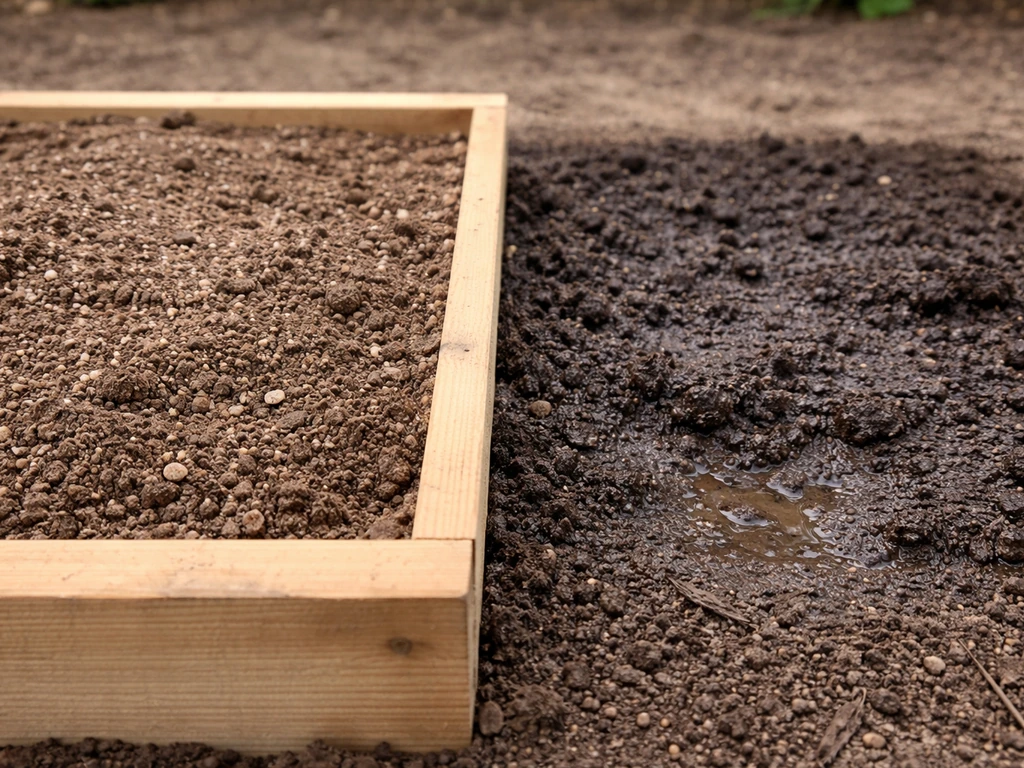
This is where most tropical chamomile attempts fail. Rich, heavy, or constantly damp soils are exactly what chamomile hates. Use a raised bed or a container filled with a lean, fast-draining mix. Avoid amending heavily with compost or fertilizer because overly fertile soil produces lush, floppy growth with fewer flowers. Space plants at least 6–8 inches apart to allow air to move between them. In humid climates, that airflow is your primary defense against damping-off, powdery mildew, and brown leaf spots. Water at the base of plants rather than overhead, and water in the morning so foliage dries during the day.
Common problems and how to fix them fast
Bolting before it flowers well
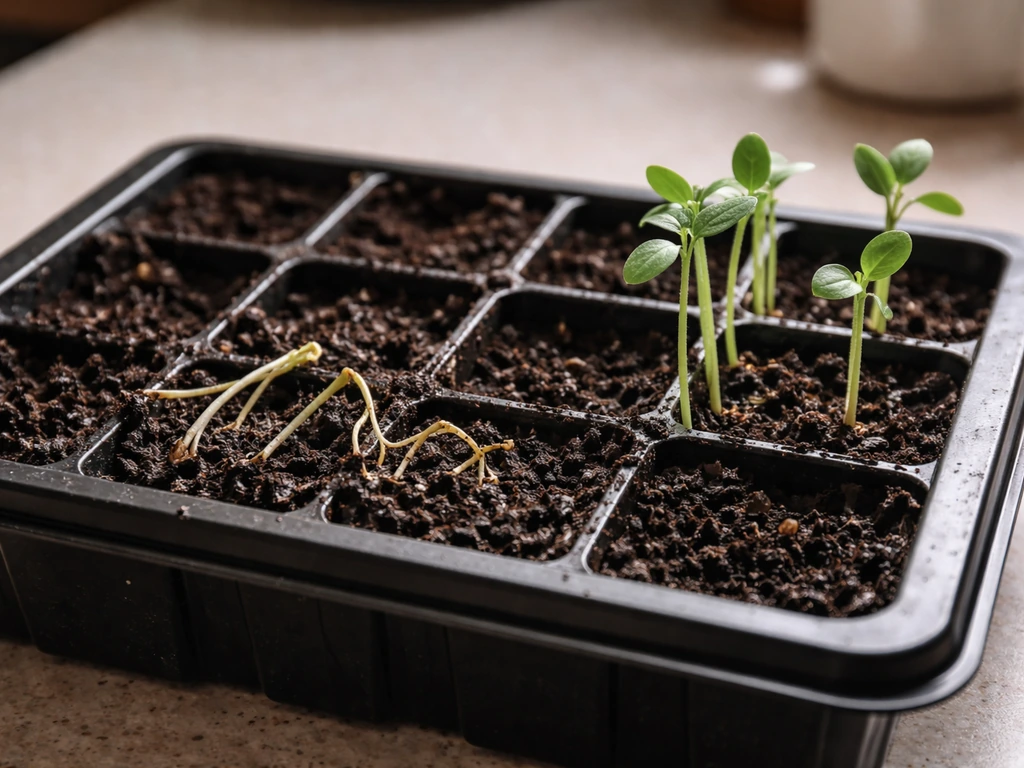
Once daytime temperatures stay consistently above 80°F, German chamomile rushes to seed instead of holding its flower display. There's no fix for this once it happens. Your best response is to harvest any open flowers immediately and collect seeds for the next cool-season planting. The lesson is timing: plant earlier in your cool season so you get a longer flowering window before heat arrives.
Poor or failed germination
If seeds don't sprout within two weeks in moist soil, the soil is almost certainly too warm. Try starting seeds in a container kept in the coolest part of your home or garden, such as a shaded porch or indoors near an air-conditioned room, and move them outside once they sprout. Surface-sow chamomile seeds without covering them because they need light to germinate.
Damping-off and root rot
Damping-off is a fungal problem that kills seedlings at the soil line, and it thrives in the kind of warm, wet conditions common in tropical gardens. Prevention is far easier than treatment. Use fresh, well-draining seed-starting mix, don't overwater, and give seedlings as much airflow as possible. Once damping-off hits, remove infected seedlings immediately and let the soil dry out before watering again. Crowded seedlings are far more vulnerable, so thin early and ruthlessly.
Powdery mildew and brown leaf spots
These fungal issues are driven by poor airflow and overhead watering in humid conditions. If you see white powder on leaves or brown spots developing, trim away affected growth immediately, stop all overhead watering, and space plants further apart. The RHS recommends trimming Roman chamomile regularly to maintain compact, bushy growth, and the same logic applies to German chamomile in humid climates: a tighter, better-ventilated plant is a healthier plant.
Leggy, floppy stems
Weak, sprawling stems usually mean one of two things: too much shade or soil that's too rich. In the tropics, the temptation to add lots of compost to improve soil is understandable, but chamomile genuinely does better in leaner conditions. Cut back on amendments and move plants to a sunnier spot if possible.
When chamomile won't cooperate: better alternatives for tropical gardens
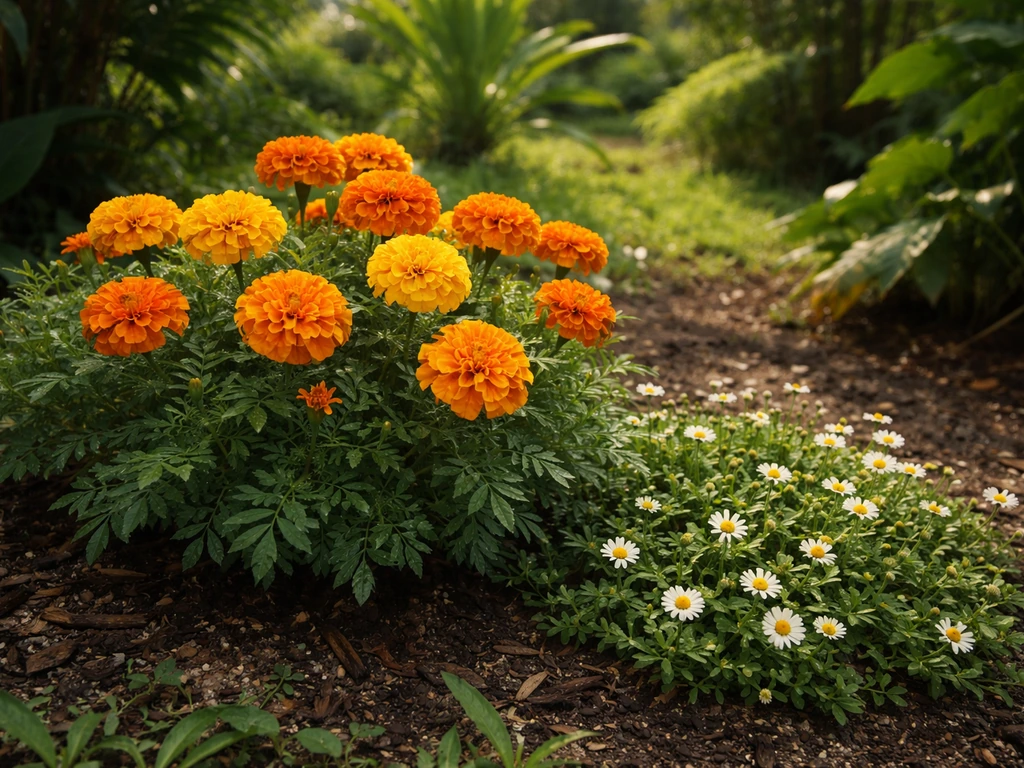
If your climate just doesn't cooperate, don't force it. Several flowering herbs and ornamentals deliver a similar visual appeal or herbal function in tropical conditions and won't fight you the whole way.
- Marigold (Tagetes spp.): Produces daisy-like flowers in warm gold and orange tones, tolerates tropical heat and humidity well, and has traditional medicinal uses. It's one of the most reliable flowering plants you can grow in the tropics.
- Feverfew (Tanacetum parthenium): Closely related to chamomile, produces similar small white daisy flowers, and is slightly more tolerant of heat than German chamomile. It still prefers some coolness but handles tropical highlands better.
- Lemon balm (Melissa officinalis): A reliable herbal substitute that grows vigorously in warm, humid climates and makes an excellent tea with a calming reputation similar to chamomile.
- Echinacea (Echinacea purpurea): More heat-tolerant than chamomile, daisy-like blooms, and performs well in tropical highlands with good drainage.
- Hibiscus (Hibiscus sabdariffa, roselle): A true tropical star that produces edible flowers used in herbal teas, thrives in heat and humidity, and is far more at home in lowland tropical gardens than chamomile will ever be.
- Blue butterfly pea (Clitoria ternatea): A heat-loving flowering vine that doubles as a herbal tea plant and thrives in full tropical sun.
If you've been drawn to chamomile partly for its daisy-like flowers and partly for its herbal use, hibiscus and lemon balm together cover both bases in a tropical climate far more reliably.
It's also worth knowing that similar geographic-compatibility questions come up with other flowers that seem like they should grow everywhere, like hyacinth in tropical climates or even hibiscus propagation methods, and the answer is almost always the same: the plant can sometimes be coaxed into it, but knowing your climate's honest limits saves you a lot of disappointment.
You can also try learning whether can hibiscus grow from leaves, since leaf cutting is another propagation route that depends on your conditions hibiscus propagation methods. Hibiscus can sometimes be grown from stem cuttings, but it depends heavily on warmth, humidity, and good drainage hibiscus propagation methods. Whether can hyacinth grow in the tropics depends on whether you can match its need for cooler or drier conditions and provide the right care hyacinth in tropical climates.
The best gardening decision you can make is an honest one. German chamomile in a tropical highland with a real cool season is absolutely worth the effort. In a hot, humid lowland climate with no meaningful cool period, your time and garden space will reward you far more if you plant something that actually belongs there. If you are wondering whether does mimosa hostilis grow in australia, it helps to think about local climate limits the same way you would for chamomile.
FAQ
Can I grow chamomile year-round in the tropics if I use shade cloth or mulch?
You can reduce heat stress with afternoon shade or reflective mulch, but you cannot reliably create the cooler nights chamomile needs. If nights stay above about 65–70°F and humidity remains high, German chamomile will still bolt early and fungal problems become likely, so plan for a cool-season cycle rather than true year-round production.
Will chamomile survive if I start seeds during the rainy season?
Often it will struggle. Continuous rain usually keeps soil too warm and consistently wet, which increases damping-off risk and can prevent steady germination. If you must sow then, use a container or raised bed with fast-draining mix and protect from overhead rain, while keeping airflow high and the surface evenly moist.
What’s the best way to keep chamomile from getting leggy in tropical heat?
Legginess usually comes from insufficient light and overly rich soil. Give at least 6 hours of direct sun (or full morning sun plus light afternoon shade), avoid heavy compost, and ensure spacing for airflow. If stems start stretching, prioritize brighter exposure over additional feeding.
How often should I water chamomile in a humid tropical climate?
Water only when the top layer begins to dry, and always at the base in the morning. The goal is moist but not saturated conditions, since chamomile dislikes constantly damp soil. If you see standing water or the mix stays wet for days, switch to a leaner raised-bed/container mix and improve drainage.
Can I grow chamomile hydroponically or in water-retaining setups?
Chamomile is a poor match for hydroponics or water-retentive media in most tropical contexts because it still needs cool, light germination and, critically, it needs oxygenated, fast-draining conditions. Use a well-aerated, lean mix in containers if you’re trying to control temperature and moisture.
What’s the best container approach if my soil stays warm?
Start seeds indoors or in the coolest, shadiest spot you can manage, then move them outdoors once they sprout and are producing healthy foliage. Use a lean potting/seed-starting mix with excellent drainage, and place the container where it gets morning sun and some afternoon relief to slow bolting.
If German chamomile bolts quickly, should I remove it or let it reseed?
Once it bolts, it will stop focusing on flower production. For tea flowers, harvest open blooms immediately, then you can allow a portion to reseed if you want natural volunteers for the next cool window. Consider collecting seeds if you want more predictable timing and spacing.
Why do my seedlings die even though I’m not overwatering?
In humid tropics, overhead mist, poor airflow, and compacted, slow-draining seed media can be enough to trigger damping-off. Make sure the seed-starting mix is fresh and well-drained, keep seedlings spaced, avoid crowding, and ensure the setup gets moving air (for example, a small fan on a gentle cycle).
Do I need to fertilize chamomile in tropical soils?
Usually no. Fertilizing, especially with nitrogen-rich compost or frequent feeding, can create lush growth with fewer flowers and weaker stems that are more prone to disease. If your plants look very pale and stunted, use only a light, infrequent feeding on established growth, but otherwise keep the soil lean.
Is Roman chamomile ever worth trying in the tropics?
It’s generally the harder option because it must endure the hottest, wettest months as a perennial. If you try it anyway, treat it as an experimental groundcover, expect less reliable flowering, and be prepared for dieback or slow growth in lowland humid areas. For dependable tea-like blooms, German chamomile is the better bet.