
Hyacinths can grow in the tropics, but they almost certainly won't bloom outdoors on their own without serious help. The bulb needs blank" rel="noopener noreferrer">12 to 15 weeks of cold temperatures (between 35 and 50°F) to trigger flower development, and most tropical climates never get close to that. If you want blooms, you'll need to artificially chill the bulbs yourself before planting, or grow them as a forced indoor crop. It's doable, but it's a project, not a plug-and-plant situation.
Can Hyacinth Grow in the Tropics? Requirements and Workarounds
Marcus Hartwell
23 May 2026
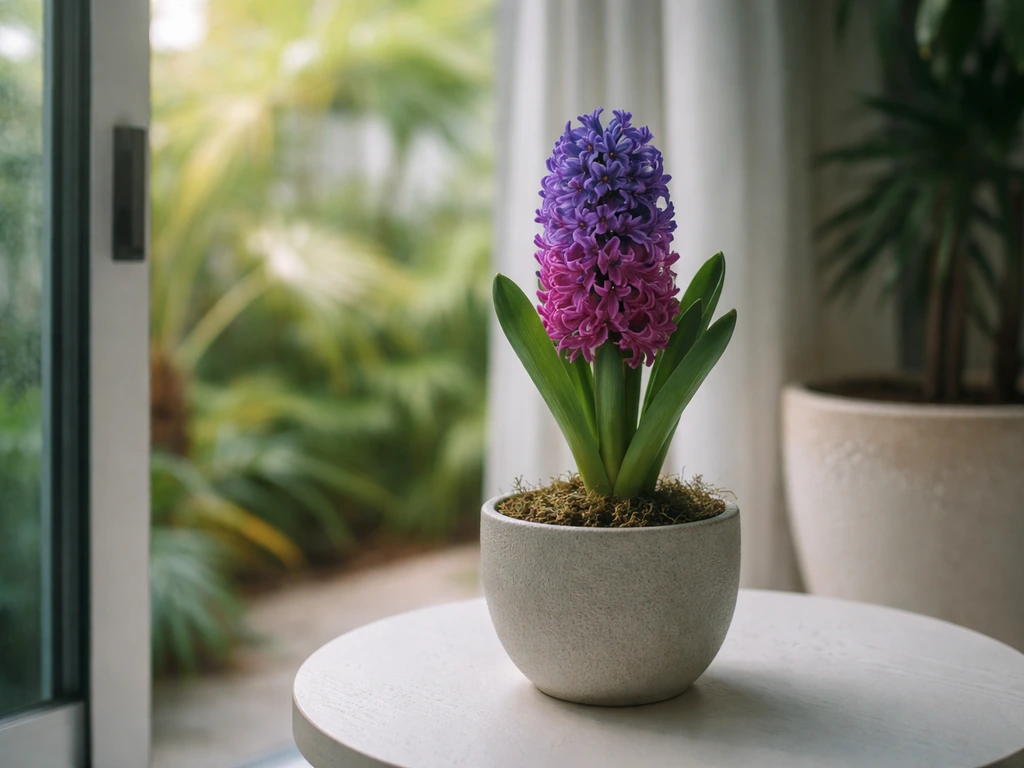
What hyacinths actually need to bloom
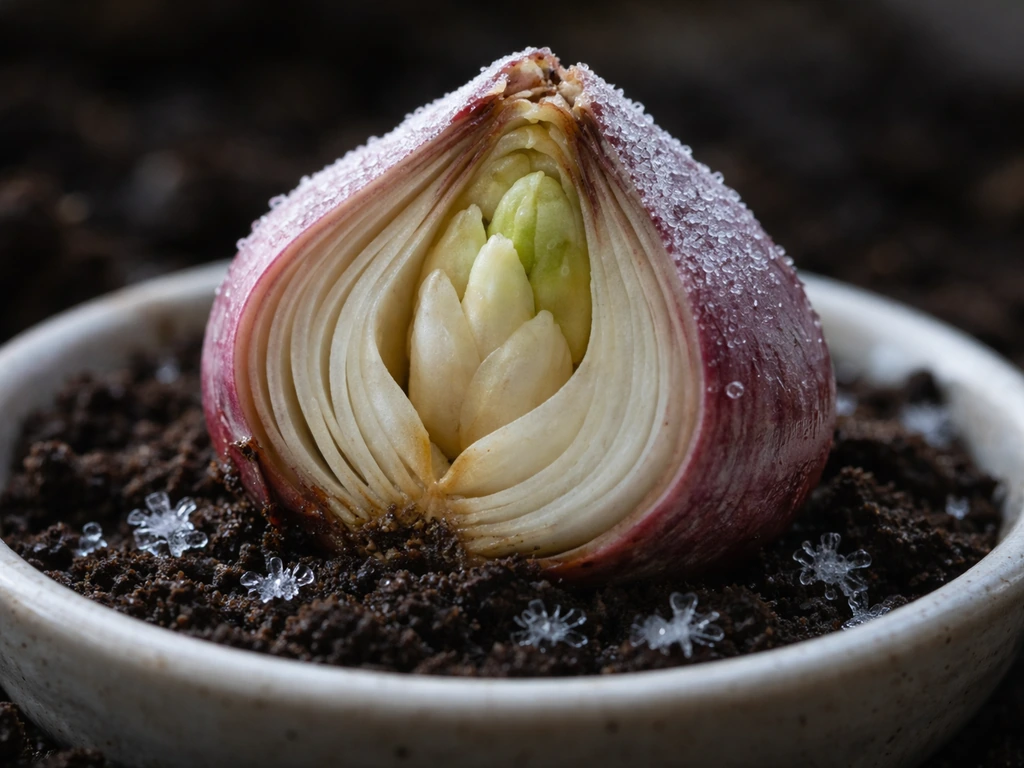
Hyacinths (Hyacinthus orientalis) are bulb plants native to the eastern Mediterranean, where winters are cold and dry. They evolved to spend months underground in cold soil before pushing up their dense, fragrant flower spikes in spring. That cold period isn't optional. It's what breaks the bulb's dormancy and triggers the internal chemistry that builds the flower bud. Without it, the bulb just sits there, maybe puts out a few limp leaves, and never blooms.
Here's what the bulb specifically needs, broken down by factor:
- Cold period (chilling): 12 to 15 weeks at 35 to 50°F (2 to 10°C). The sweet spot most horticulturalists recommend is 40 to 45°F. Below 32°F the bulb freezes and dies; above 50°F for extended periods and the chilling effect is incomplete.
- Darkness during chilling: The bulb needs to sit in a cold, dark environment, like it's underground. Light during the cold phase can disrupt dormancy.
- Transitional warmth before blooming: After chilling, you move the bulb to around 55 to 60°F for a few days to ease it out of dormancy, then into bright light at that same cool temperature range to push the bloom.
- Bright light for growth: Once active, hyacinths want at least 6 hours of direct or strong indirect light per day. This supports sturdy stems and keeps the flower spike from flopping over.
- Moderate temperatures during bloom: Blooms last longest and develop best in cool conditions, roughly 50 to 65°F. Warm rooms above 70°F shorten bloom time significantly.
Why tropical climates make outdoor hyacinths nearly impossible
Tropical climates are generally defined by year-round warmth (average temperatures consistently above 64°F even in the coolest month) and high humidity. Both of those things work against hyacinths in different ways.
The temperature problem is obvious: the ground never gets cold enough to replicate winter, so the bulb never receives the chilling signal it needs. You can plant the bulb in October or November, right on schedule, and the soil temperature might still be sitting at 75 to 80°F. The bulb doesn't know winter is coming because, from its perspective, it never is.
Humidity adds a second problem. Hyacinth bulbs are prone to fungal rot, especially when they're sitting in warm, moist soil with poor air circulation. In a tropical environment, an unchilled bulb sitting in the ground is essentially rotting before it has a chance to do anything. Even if it sprouts, the high nighttime temperatures and humidity often cause the foliage to yellow and collapse before a bloom spike develops.
The honest summary: planting untreated hyacinth bulbs directly into tropical soil outdoors will almost always result in no bloom, followed by rotted bulbs within a season. This is the realistic outcome you should plan around, not the exception.
Can it actually work? What your real options are
Yes, it can work, but only if you take control of the chilling process yourself. Here are the approaches that give you a realistic shot at blooms.
Pre-chilled or conditioned bulbs
Some bulb suppliers sell hyacinths labeled as 'pre-chilled' or 'pre-cooled.' These have already been cold-stored at the farm or nursery for the required chilling period. This shortcut is genuinely useful, but there's a catch: you still need to plant them quickly and get them blooming before your warm temperatures derail development. They've had their chill, but they'll still suffer in ambient tropical heat during the bloom phase. These work best if you're growing them indoors in an air-conditioned space.
DIY refrigerator chilling
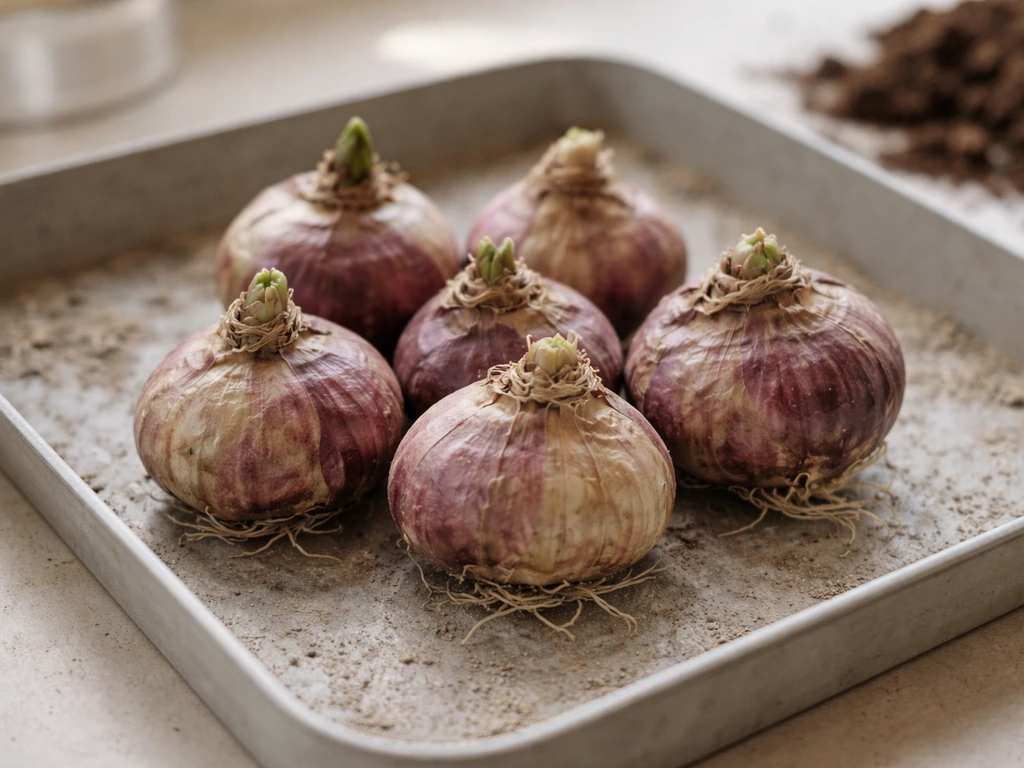
This is the most reliable option for most tropical gardeners. You chill the bulbs yourself in your refrigerator before planting. A standard home refrigerator set to 35 to 45°F works well. The important detail: keep the bulbs away from fruit, especially apples and pears, which release ethylene gas that damages flower buds inside the bulb. Store them in a paper bag or mesh bag, not sealed plastic, so they can breathe.
Indoor or air-conditioned greenhouse forcing
Growing hyacinths as a forced indoor crop in a cooled space is the closest you'll get to the real experience. After chilling, you pot them up and keep them in an air-conditioned room or a controlled greenhouse where you can maintain 55 to 65°F during blooming. This works beautifully in places like Hawaii, southern Florida, or Southeast Asian cities where air conditioning is common. Treat it like a seasonal houseplant project rather than a garden planting.
Planning for your specific tropical location
Not all tropical climates are identical, and where you live changes which approach makes the most sense. Here's how to read your local conditions before you buy a single bulb.
| Climate situation | What it means for hyacinths | Best approach |
|---|---|---|
| True lowland tropics (always above 70°F, year-round) | No natural chilling possible at all | Full refrigerator chilling required; indoor bloom only |
| Tropical highlands or elevated zones (cool-season lows of 55–65°F) | Partial natural chill; not enough on its own | Supplement with 6–8 weeks of refrigerator chilling; containers on cool nights |
| Subtropical with a cool dry season (brief dips to 50–60°F) | Borderline; marginal outdoor success possible | Pre-chilled bulbs, plant in coolest months, expect inconsistent blooms |
| Tropical coastal with humidity above 80% year-round | High rot risk on top of chilling deficit | Containers with excellent drainage; indoor forcing strongly preferred |
Check your city's average low temperatures for your coolest month (typically December or January in the Northern Hemisphere, June or July in the Southern). If that average low stays above 60°F, assume you'll need to provide 100% of the chill artificially. If you occasionally see lows in the 50s for a few weeks, you might shave a little time off the refrigerator phase, but don't count on it.
Humidity is harder to manage outdoors. If your dry season drops relative humidity below 70%, that's your best outdoor planting window. If you're in a climate with no real dry season, containers indoors or on a covered patio with good airflow are the safer bet.
Step-by-step: how to actually try growing hyacinths in the tropics
- Buy your bulbs in early fall (September to October if you're in the Northern Hemisphere tropics). Look for firm, large bulbs with no soft spots or mold. Larger bulbs mean more stored energy and a better chance of a strong bloom.
- Start chilling immediately. Place bulbs in a paper bag and put them in your refrigerator at 35 to 45°F. Keep them away from fruit. Set a reminder on your phone: you need 12 to 15 weeks of cold. That means if you start in mid-October, your chilling period ends in late January to mid-February.
- Check the bulbs every few weeks. They should stay firm and dry. Any soft spots or visible mold mean that bulb is compromised. Discard it rather than risk spreading rot to the others.
- About a week before your target planting date, move the bulbs from the coldest part of the fridge to a slightly warmer shelf (around 50°F if possible) or a cool spot in your home. This mimics the natural soil warm-up transition and eases the bulb out of dormancy.
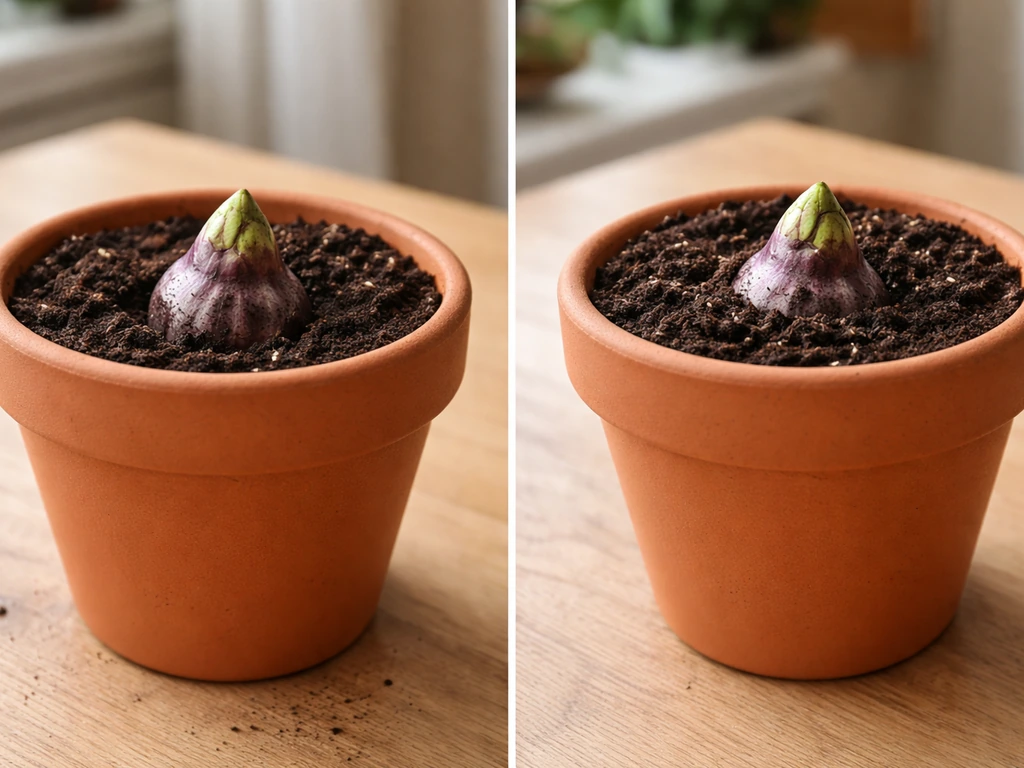
- Pot up into containers with excellent drainage. Use a well-draining mix (a standard potting mix with added perlite works well). Plant bulbs with the pointed tip just at or slightly above the soil surface. One bulb per 6-inch pot, or three to five bulbs in a wider container, works well.
- Move pots to your coolest, brightest indoor spot. An air-conditioned room near a bright window is ideal. Keep ambient temps at 55 to 65°F during the bloom phase. Avoid placing pots near heating vents or in direct outdoor sun in tropical heat.
- Water sparingly until growth appears, then water when the top inch of soil is dry. Do not let bulbs sit in standing water. Rotate the pot every few days so the flower spike grows straight toward the light.
- Expect blooms in roughly 2 to 3 weeks after the cold-to-warm transition. Enjoy them while they last (typically 1 to 2 weeks in cool conditions). In tropical warmth they fade faster.
When things go wrong: troubleshooting tropical hyacinth problems
No bloom spike appears
This almost always means the chilling period was too short or the temperature wasn't cold enough. If your refrigerator runs warmer than 45°F (easy to check with a cheap fridge thermometer), the bulb didn't fully satisfy its chilling requirement. Next time, get a more accurate temp reading and aim for the 38 to 42°F range for at least part of the chilling period. Also check that you weren't storing fruit nearby.
Bulbs rotting before or after planting
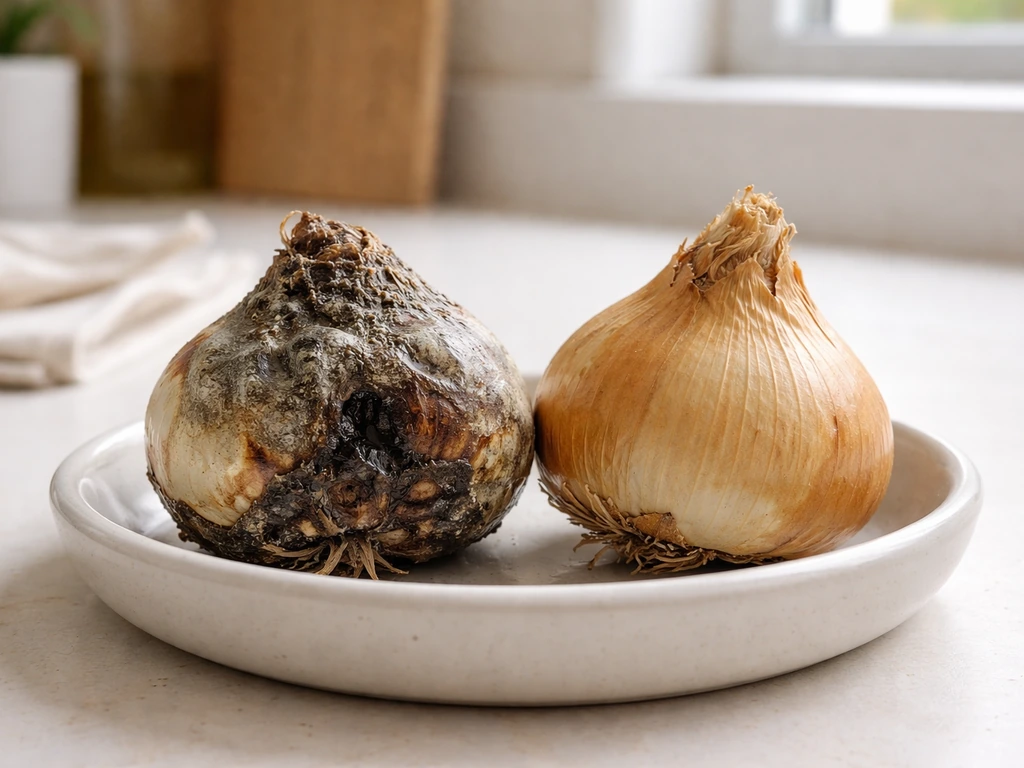
Rot during refrigerator storage usually means moisture. Bulbs stored in sealed plastic bags or damp conditions will mold. Use paper bags and check that the bulbs are dry before storage. Rot after planting outdoors in tropical conditions is almost inevitable without extremely well-draining soil and dry conditions. If you're in a humid tropical climate, skip outdoor planting entirely and use containers with drainage holes indoors.
Yellowing leaves
Some yellowing after bloom is normal. But if leaves yellow and collapse before the plant ever blooms, that's usually a combination of incomplete chilling and heat stress during the growing phase. The bulb exhausted its stored energy trying to grow in conditions it wasn't built for. Ensure the growing environment stays below 70°F during the active growth and bloom phase.
Weak, floppy growth
Etiolated (stretched, floppy) stems mean not enough light. Hyacinths need at least 6 hours of strong light. A bright window in an air-conditioned room is usually fine. If stems are leaning and thin, move the pot closer to the light source and rotate it daily. Propping the stem with a thin stake works as a short-term fix.
Better options if chilling isn't realistic for you
If you're honest with yourself and the logistics of chilling bulbs in your fridge for 12 to 15 weeks sounds like more effort than you want to put in, there are genuinely beautiful tropical alternatives that give you similar fragrance and color without the fight. If you're wondering about whether other plants can be grown from leaves in the tropics, you may be able to try hibiscus propagation from leaf cuttings too. If you're also wondering whether mimosa hostilis grows in Australia, you will need to check local climate and conditions before planting does mimosa hostilis grow in australia. Chamomile can also grow in the tropics, but it usually needs cooler, drier conditions or container growing to avoid stress can chamomile grow in the tropics.
- Crinum lily (Crinum asiaticum): Large, fragrant white flower clusters on tall stalks. Truly tropical, low maintenance, and stunning.
- Tuberose (Polianthes tuberosa): One of the most intensely fragrant flowers you can grow in the tropics. Dense flower spikes with white blooms, no chilling required.
- Ginger lily (Hedychium species): Tall, fragrant, tropical-looking spikes in white, yellow, or orange. Thrives in warm, humid conditions.
- Amazon lily (Eucharis amazonica): White, hyacinth-like fragrant blooms on a bulb that actually loves tropical warmth. Often called the tropical hyacinth for good reason.
- Hibiscus: If fragrance isn't the priority and you want bold, showy tropical blooms, hibiscus is one of the easiest and most rewarding plants for warm climates. It thrives where hyacinths struggle.
Amazon lily in particular is worth calling out. It produces white, sweetly scented flowers on a bulb that requires zero chilling and genuinely thrives in tropical humidity. It's the closest thing to a true tropical substitute for the hyacinth look and fragrance. If the goal is a fragrant bulb flower for a tropical garden bed, this is where to start.
The bottom line for tropical gardeners
Hyacinths can bloom in the tropics if you're willing to be the winter yourself. Chill the bulbs in your refrigerator for 12 to 15 weeks, blank" rel="noopener noreferrer">keep them between 38 and 45°F, then grow them in a cooled indoor space during the bloom phase. Skip the outdoor garden bed entirely unless you have a genuine cool dry season with lows consistently in the 50s. Pre-chilled bulbs from a reputable supplier can save you a step, but you still need a cool environment for blooming. If that sounds like too much infrastructure, Amazon lily and tuberose will give you fragrant, beautiful flowers with zero cold management required. There's no shame in working with your climate instead of against it. If you want a different fragrant option that doesn't rely on chilling tricks, you can also look at can hibiscus grow from stem as a related idea for tropical growth.
FAQ
What’s the minimum cold time I can get away with if I can’t chill hyacinth bulbs for the full 12 to 15 weeks?
Expect reduced bloom quality, and often no flower. If your refrigerator runs slightly warm or you shorten the period, you may get leaves only. A better approach is to measure actual fridge temperature (with a thermometer) and aim for the required range for as much of the schedule as possible, rather than guessing the weeks.
Can I chill hyacinth bulbs in the fridge and then plant them outdoors in the tropics right away?
Usually not. Even if you satisfy dormancy, warm, humid soil can cause rot or trigger weak growth before the flower spike completes. If you want to plant outside, prioritize a dry season window, very fast-draining soil, and use pots on a covered patio with airflow to reduce bulb moisture.
How should I prevent mold or rot while chilling hyacinth bulbs?
Keep them dry and breathable. Use paper or mesh bags, avoid sealed plastic, and check periodically. If any bulb feels soft or shows fuzzy growth, discard it, because one problem bulb can lead to spreading rot in storage.
Is it a problem if I have to store bulbs near vegetables in the refrigerator?
Yes, if the area is humid or if you store fruits nearby. Vegetables can increase localized moisture, which raises rot risk. Fruit releases ethylene, and that can interfere with flower bud development, so keep bulbs separate in a dry section.
Do “pre-chilled” hyacinth bulbs still fail in tropical climates even if they arrived already cooled?
They can, because chilling only solves the dormancy trigger. Tropical heat and humidity during active growth can still stall bud development or stress the foliage. Pre-chilled bulbs perform best when you bloom them in an air-conditioned room or controlled environment, not in warm outdoor beds.
What potting mix and container conditions help hyacinths survive in tropical indoor conditions?
Use a light mix with excellent drainage (avoid dense garden soil), and choose a pot that lets water run freely out the bottom. Keep the pot in bright light and maintain cooler indoor temperatures during growth and blooming to reduce rot and leaf collapse.
Why are my hyacinth stems floppy or stretched even though I chilled the bulb?
That’s usually light deficiency, not chilling. Provide at least 6 hours of strong light, place the pot close to the brightest window, and rotate it daily. If needed, a light stake can support the spike while you correct the light level.
My hyacinth leaves turn yellow and collapse before flowering. Does that mean the bulb is dead or just stressed?
Often it’s incomplete chilling and heat stress during the growth phase. Before assuming the bulb is finished, check fridge temperature accuracy and whether your blooming area stays under about 70°F while leaves and the flower spike are developing.
Can I replant a hyacinth bulb after it blooms indoors in the tropics?
Usually it won’t reliably bloom again without repeating chilling. In warm climates, the bulb often needs another cold period to reset dormancy. Many people treat indoor forced hyacinths as a seasonal project and replace bulbs for the next bloom cycle.
What are the safest tropical substitutes if I want fragrance without cold storage?
If you want a similar bulb flower experience without chilling, Amazon lily is a strong option because it doesn’t require a cold period and tolerates tropical humidity better. Tuberose is another alternative people use for fragrance when they want to avoid refrigeration logistics.